The Cheongsam Qipao Dress: History, Evolution, and Styling
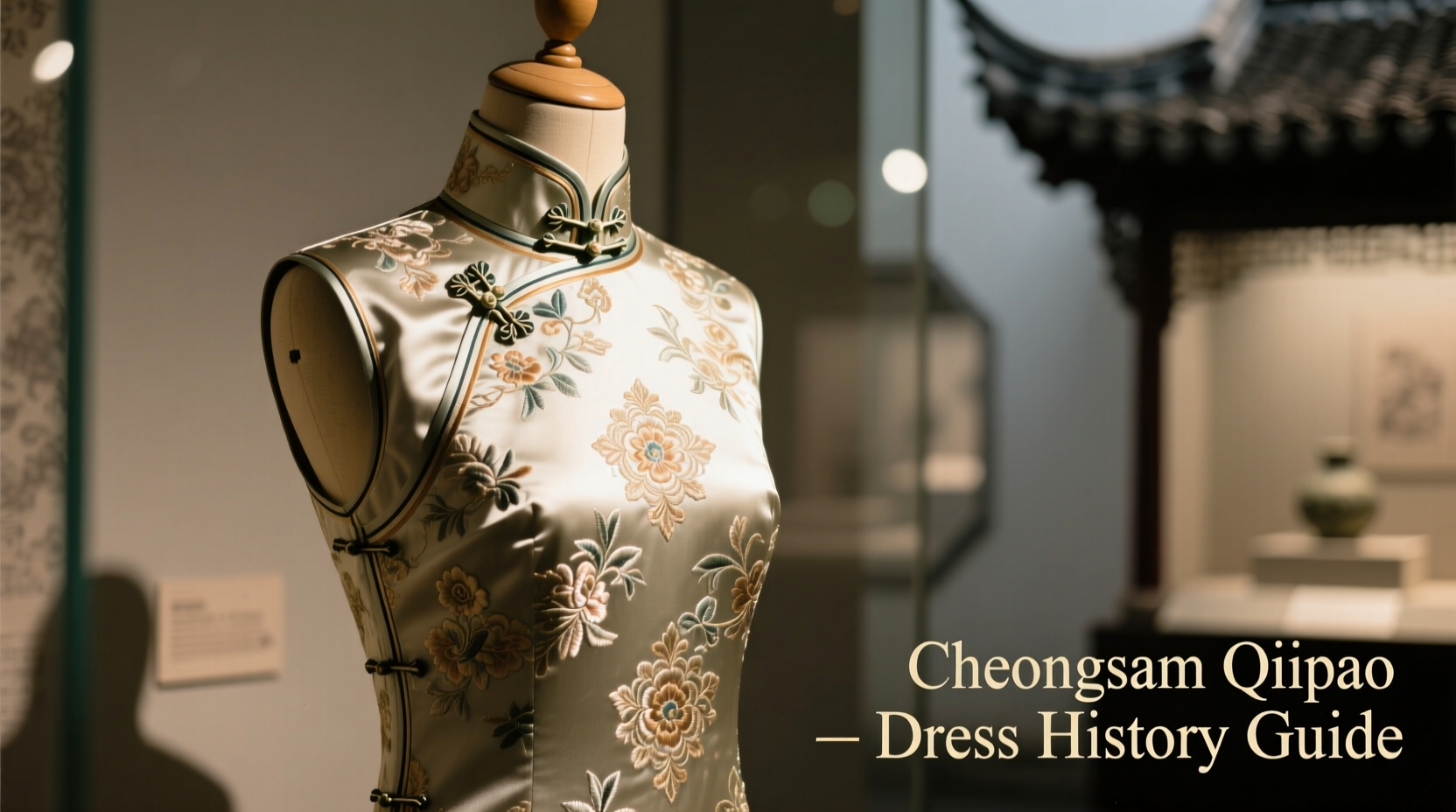
The terms qipao (Mandarin) and cheongsam (Cantonese) both translate literally to 'long robe,' yet they represent one of the most dynamic and recognizable garments in global fashion history. Far from being a static relic of the past, the cheongsam qipao dress is a living artifact that mirrors China’s turbulent 20th-century social transformations, shifting gender roles, and cross-cultural exchanges. Today, it stands as a sophisticated emblem of Chinese heritage, worn at weddings, diplomatic functions, and high-fashion galas alike.
Origins: From Qing Dynasty Robes to Republican Reform
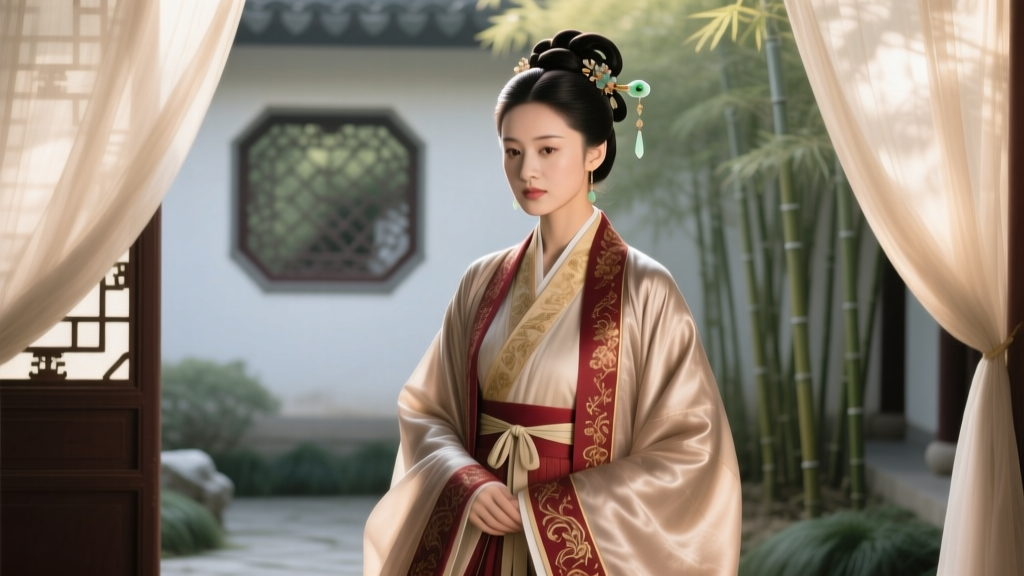
To understand the modern silhouette, one must look back to the Qing Dynasty (1644–1912). The Manchu rulers established the Eight Banner system (baqi), and the clothing worn by these bannermen and women was known as changpao (long robe). For women, this early iteration was a loose, voluminous, and heavily embroidered garment that concealed the figure entirely, featuring a straight cut and wide sleeves. It was a symbol of ethnic identity and modesty, distinctly separate from the Han Chinese two-piece attire (hanfu).
The pivotal transformation occurred in the 1910s and 1920s during the Republic of China era. Influenced by the May Fourth Movement and early feminist ideologies, female students in Beijing and Shanghai began adopting a simplified, unlined version of the male scholar’s robe. This was a radical sartorial statement demanding gender equality and intellectual parity. According to the Victoria and Albert Museum's Asian collections, this early Republican qipao was deliberately androgynous, loose-fitting, and featured a lower collar, marking the garment's first departure from strict Manchu traditions.
The Shanghai Era: Birth of the Modern Silhouette
The 1930s and 1940s are widely considered the Golden Age of the qipao. Shanghai, then a bustling cosmopolitan hub known as the 'Paris of the East,' became the epicenter of this sartorial revolution. Tailors began integrating Western sartorial techniques into traditional Chinese flat-pattern cutting. The introduction of darts, set-in sleeves, and shoulder pads transformed the qipao from a two-dimensional, boxy robe into a three-dimensional garment that celebrated the natural curves of the female body.
This era birthed the Haipai (Shanghai style) qipao, characterized by high collars, form-fitting bodices, and daringly high side slits. The Metropolitan Museum of Art’s Costume Institute has extensively documented how Shanghai socialites and Hollywood starlets of the era influenced each other, resulting in a hybrid aesthetic where traditional silk brocades were cut with the sleek, bias-draped sensibilities of 1930s Western evening wear. The cheongsam qipao dress thus became a symbol of the modern, liberated, and cosmopolitan Chinese woman.
Anatomy of the Garment: Construction and Terminology
Authentic qipao construction is a masterclass in structural engineering and subtle embellishment. Unlike Western garments that rely heavily on seams and darts for shaping, the traditional qipao relies on the manipulation of fabric and precise finishing techniques.
The Collar (Lingzi) and Fastenings (Pankou)
The Mandarin collar (lingzi) is a stiff, stand-up band that frames the face. Historically, its height fluctuated with fashion, reaching up to three inches in the late 1930s before settling into the modern one-to-two-inch standard. The collar is secured by pankou (frog fasteners), which are intricate, hand-knotted fabric buttons. A master tailor can craft dozens of pankou motifs, ranging from simple geometric loops to elaborate plum blossoms, butterflies, and longevity knots. These fastenings are not merely functional; they are focal points of artisanal expression.
The Slit (Kaicha) and Piping (Xiangbian)
The side slits (kaicha) originated from the Manchu need for mobility while horseback riding. In the modern qipao, they serve both a practical purpose—allowing ease of movement in a narrow skirt—and an aesthetic one, offering glimpses of the leg and underlying silk trousers or petticoats. The edges of the collar, slits, and hem are often bound with xiangbian (piping). High-end bespoke qipaos may feature double or triple piping in contrasting silk satin, requiring immense skill to navigate the curved edges without puckering.
Regional Variations: A Comparative Guide
While the global imagination often defaults to the Shanghai silhouette, distinct regional variations exist across the Sinosphere. Understanding these differences is crucial for collectors and enthusiasts seeking authentic pieces.
| Feature | Haipai (Shanghai Style) | Jingpai (Beijing Style) | Yuepai (Cantonese Style) |
|---|---|---|---|
| Silhouette | Form-fitting, 3D darting, accentuates curves | Looser, more conservative, 2D flat cut | Practical, moderate fit, shorter hemlines |
| Collar & Slits | High collar, high thigh slits | Lower collar, modest knee-level slits | Varied, often lower slits for active wear |
| Fabrics | Crepe de chine, lace, velvet, imported wools | Heavy silk brocade (zhuanghua), traditional embroidery | Cotton, linen, gambiered gauze (xiangyunsha) |
| Cultural Vibe | Glamorous, cosmopolitan, modern | Regal, traditional, scholarly | Utilitarian, understated, everyday elegance |
Contemporary Revival and Buying Guide
After a period of decline during the mid-to-late 20th century, the qipao has experienced a massive renaissance, fueled by a renewed interest in traditional Chinese aesthetics and the global diaspora's desire to connect with their heritage. When investing in a cheongsam qipao dress, buyers must navigate a market that ranges from mass-produced costumes to museum-quality bespoke art.
Price Ranges and Artisan vs. Mass Market
- Bespoke Hong Kong & Shanghai Masters ($1,200 – $5,000+ USD): Establishments like Blanc de Chine or legacy tailors in Hong Kong's Central district offer true bespoke services. This includes multiple fittings, hand-stitched pankou, and premium fabrics like xiangyunsha (gambiered Canton gauze), a heritage silk dyed with river mud and vegetable tannins that develops a rich, crackled patina over time. The China National Silk Museum frequently highlights the complex, months-long production of such heritage textiles.
- High-End Ready-to-Wear ($400 – $1,500 USD): Luxury brands such as Shiatzy Chen or modern Shanghai-based design houses offer RTW qipaos that utilize premium silks and precise tailoring, though they lack the personalized anatomical mapping of bespoke garments.
- Mass Market & E-Commerce ($40 – $150 USD): Widely available online, these garments are often made from polyester blends or synthetic brocades. While suitable for casual themed events, they lack the structural integrity, breathability, and cultural authenticity of natural fibers.
Cultural Protocols and Styling the Qipao Today
Wearing a qipao requires an understanding of cultural context to ensure the garment is treated with the respect it commands. In contemporary Chinese society, the qipao is rarely worn as everyday streetwear; it is reserved for significant life events, formal banquets, and cultural celebrations.
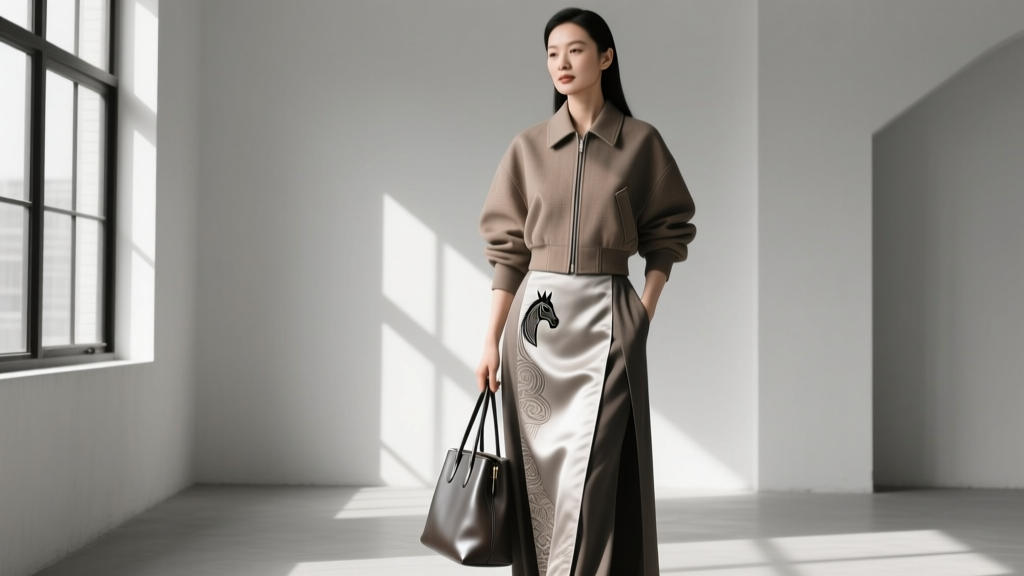
When styling a cheongsam qipao dress for a formal event, modesty and balance are key. Because the garment is inherently form-fitting and features side slits, traditional etiquette suggests pairing it with silk trousers or a modest slip if the slits are particularly high. Footwear should complement the era and style of the dress; while stiletto heels are a modern convention popularized in the 1990s, vintage-inspired block heels, embroidered flats, or Mary Janes often provide a more historically grounded and comfortable aesthetic.
Furthermore, the choice of motif carries weight. Dragons and phoenixes are traditionally reserved for brides or extremely formal state occasions, while botanical motifs like orchids, bamboo, and lotus flowers are versatile and symbolize virtues such as resilience, elegance, and purity. By understanding the deep historical roots and intricate construction of the qipao, wearers can transcend mere fashion, participating instead in the ongoing narrative of one of Asia's most profound sartorial traditions.