Cheongsam Meaning & 2026 Buying Guide: Where to Shop

Decoding the Cheongsam Meaning: More Than Just a Dress
When searching for the perfect traditional garment, understanding the cheongsam meaning is the first step toward making a culturally respectful and sartorially sound purchase. The word itself holds the key to the garment's complex history. In Cantonese, cheongsam (長衫) translates literally to 'long gown.' However, in Mandarin, the same garment is known as the qipao (旗袍), meaning 'banner gown,' a direct reference to the Manchu Banner system of the Qing Dynasty (1644–1911).
Originally, the qipao was a loose, voluminous, and highly conservative one-piece robe worn by Manchu women. According to the Metropolitan Museum of Art's historical archives on Qing Dynasty dress, these early garments obscured the figure and were heavily layered. The transformation into the modern, figure-hugging cheongsam occurred in the 1920s and 1930s in Shanghai. Influenced by Western tailoring and the feminist movements of the era, the garment was radically altered to celebrate the female silhouette, becoming a symbol of modern Chinese womanhood and intellectual emancipation.
Understanding this evolution—from conservative imperial dress to a symbol of 1930s modernity—is crucial when shopping today. It dictates the difference between a costume-like replica and an authentic, culturally significant piece of clothing.
Translating Meaning into Material: The Anatomy of Authenticity
A genuine cheongsam is defined by its meticulous construction. When evaluating a piece, whether in a boutique in Hong Kong or an online atelier, look for these non-negotiable structural elements that honor the garment's heritage.
The Mandarin Collar (Yuanling)
The high, stiffened collar is a hallmark of the dress. In premium garments, the collar is reinforced with a specialized inner lining to ensure it stands upright without choking the wearer. The gap at the front of the collar should form a precise, symmetrical curve, not a harsh V-shape.
Hand-Knotted Frog Fasteners (Pankou)
The pankou are the knotted buttons that secure the diagonal lapel (the dajin). In authentic, high-end cheongsams, these are never made of plastic or machine-stamped metal. They are meticulously hand-rolled from the same silk as the dress. A master tailor can spend up to four hours crafting a single complex floral pankou knot.
The Bias Cut and Side Slits
Unlike Western dresses that rely on darts for shaping, the 1930s Shanghai cheongsam pioneered the use of the bias cut and strategic side slits (kaiqi). The slits should sit no higher than the mid-thigh for traditional daywear, allowing for movement while maintaining modesty. The hem should fall gracefully below the knee, or down to the ankle for formal evening wear.
2026 Sourcing Matrix: Price Tiers and Where to Buy
The market for traditional Asian garments has diversified significantly. Below is a buyer’s matrix to help you navigate the 2026 landscape, ensuring you invest in a piece that aligns with your budget and quality expectations.
| Tier | Price Range (USD) | Construction & Fabric | Best For | Where to Shop |
|---|---|---|---|---|
| Bespoke Heritage | $1,500 - $5,000+ | Hand-stitched, custom pankou, Xiangyunsha mud silk or Song brocade. | Weddings, heirloom investments, cultural events. | Master tailors in Hong Kong (e.g., Linva Tailor), Shanghai boutiques. |
| Premium Ready-to-Wear | $400 - $1,200 | Machine-sewn with hand-finished details, high-grade mulberry silk, crepe de chine. | Formal dinners, Lunar New Year, professional settings. | Blanc de Chine, Shanghai Tang, specialized online Asian ateliers. |
| Contemporary / Entry | $80 - $300 | Cotton blends, polyester brocades, machine-made buttons, simplified collars. | Festivals, casual styling, first-time buyers. | Etsy (vetted artisan sellers), modern fusion brands, local Chinatown boutiques. |
Regional Shopping Guide: Finding the Perfect Tailor
Where you buy your cheongsam is just as important as what you buy. Different regions offer distinct stylistic variations rooted in their local history.
Hong Kong: The Cantonese Epicenter
Hong Kong is the spiritual home of the 'cheongsam' (the Cantonese term). Here, the style leans toward the glamorous, highly tailored 1950s and 60s silhouettes. The Hong Kong Heritage Museum extensively documents how local tailors adapted the dress for the subtropical climate, favoring lighter silks and sleeveless cuts for summer. For a bespoke experience, visit established names like Linva Tailor in Tsim Sha Tsui, where master tailors still use traditional measuring techniques and offer hundreds of silk brocade options.
Shanghai: The Birthplace of the Modern Qipao
If you are seeking the 'qipao' with its distinct 1930s Shanghai flair—characterized by art deco geometric patterns, longer hemlines, and a slightly more relaxed, intellectual elegance—Shanghai is your destination. Head to Changle Road and Maoming South Road, streets historically lined with qipao tailors. Boutiques like Haiyan Cheongsam offer exquisite ready-to-wear and made-to-measure options, frequently utilizing luxurious velvet and heavy brocades ideal for autumn and winter.
Singapore and Malaysia: The Peranakan Influence
In Southeast Asia, the cheongsam often intersects with Peranakan (Straits Chinese) culture. While the Nyonya Kebaya is the indigenous dress, local cheongsam tailors frequently incorporate vibrant, tropical motifs and lighter, breathable fabrics like cotton-linen blends and batik-printed silks. This regional variation is perfect for buyers in warmer climates seeking everyday wearability.
Fabric Deep Dive: Investing in Intangible Heritage
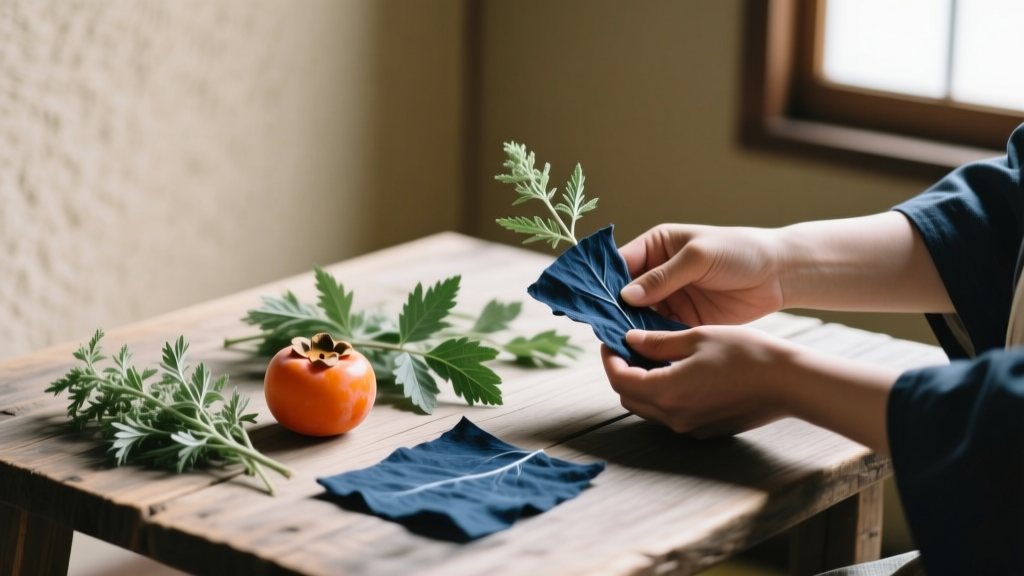
For the ultimate collector, the fabric tells the deepest story. When shopping at the highest tier, seek out Xiangyunsha (Gambiered Canton Gauze). Recognized as a UNESCO Intangible Cultural Heritage, this silk is dyed using the juice of the薯莨 (shuliang) yam and coated with the iron-rich mud of the Pearl River Delta. The China National Silk Museum highlights this textile for its unique properties: it is naturally antibacterial, water-resistant, and develops a beautiful, crackled patina over time, much like fine leather. A genuine Xiangyunsha cheongsam is an investment piece that commands a premium price but offers unparalleled historical and material value.
Cultural Protocols: Wearing the Garment with Respect
As the cheongsam continues to gain global popularity, wearing it with cultural respect is paramount. Avoid the fetishized 'dragon lady' tropes often perpetuated by Western media. Instead, lean into the garment's true history as a dress of empowerment, intellect, and elegance.
- Styling: Pair a traditional silk cheongsam with minimalist, closed-toe pumps or elegant flats. Avoid overly dramatic, theatrical makeup; the intricate fabric and pankou knots should be the focal point.
- Occasions: The cheongsam is highly versatile. A knee-length, cotton or linen cheongsam is perfectly appropriate for daytime events, tea gatherings, or professional environments. Reserve full-length, heavily embroidered silk brocades for weddings, galas, and Lunar New Year celebrations.
- Fit: The dress should be tailored to skim the body, not restrict it. You should be able to sit, cross your legs, and breathe comfortably. A master tailor will always leave enough ease in the hips and bust to ensure graceful movement.
"The cheongsam is not merely a relic of the past; it is a living garment that continues to evolve. To wear it is to participate in a century-long dialogue between Eastern heritage and Western modernity."
By understanding the profound cheongsam meaning and investing in authentic craftsmanship, you are not just buying a dress—you are preserving a vital piece of Asian sartorial history for the modern era.