The Cheongsam Definition: An Event & Occasion Guide
Beyond the Dictionary: The True Cheongsam Definition
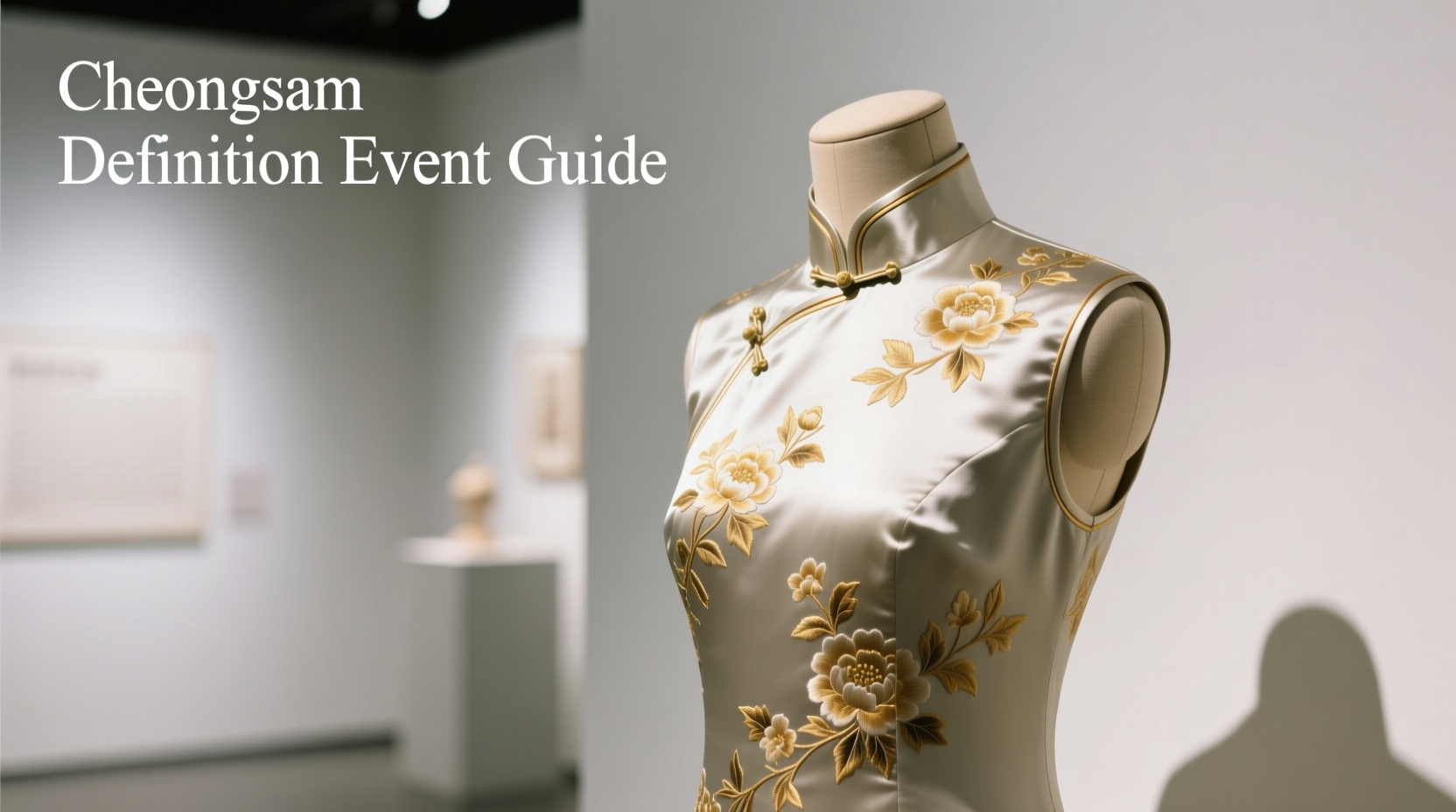
When searching for a cheongsam definition, most standard dictionaries will simply describe it as a close-fitting dress with a high collar and side slits, originating in China. However, for the modern wearer navigating cultural events, galas, and weddings, this basic definition is woefully inadequate. To truly understand the garment is to understand its architectural nuances, its rich socio-political history, and the unspoken dress codes that govern its wear.
Historically, the garment emerged in the 1920s as a symbol of female emancipation. During the Qing Dynasty, women typically wore a two-piece ensemble consisting of a loose jacket (ao) and a skirt (qun). The modern iteration began when progressive women in Shanghai adopted the changpao—a long, one-piece robe previously reserved for male scholars and officials. By tailoring this male garment to the female form, early feminists made a powerful statement about gender equality and modernity. According to the Metropolitan Museum of Art's Heilbrunn Timeline of Art History, this sartorial shift marked a pivotal moment in 20th-century Chinese cultural identity, blending traditional aesthetics with Western tailoring techniques.
Qipao vs. Cheongsam: Clarifying the Terminology
While often used interchangeably in the West, "qipao" and "cheongsam" carry distinct regional and historical connotations that influence how the garment is styled today.
- Qipao (Mandarin): Translating to "banner robe," this term is predominantly used in Northern China and mainland regions. It often refers to the classic 1930s Shanghai silhouette, characterized by a more relaxed fit, intricate Art Deco influences, and softer, draping fabrics.
- Cheongsam (Cantonese): Translating to "long dress," this term is rooted in Southern China, Hong Kong, and the global diaspora. The cheongsam definition in this context usually points to the highly structured, darted, and tailored versions popularized in 1950s and 60s Hong Kong. As documented by the M+ Museum in Hong Kong, the mid-century cheongsam featured a stiffer internal structure, higher collars, and a more pronounced, sculptural hourglass silhouette.
Anatomy of the Garment: Construction and Fabric
To select the right dress for an occasion, one must understand the structural elements that define the garment's formality.
The Collar (Liling)
The Mandarin collar is the hallmark of the dress. A high, stiffened collar (often 5 to 7 centimeters) denotes high formality and requires excellent posture, making it ideal for black-tie events. Lower, softer collars, or even collarless variations, are reserved for smart-casual or daytime wear.
Fastenings (Pankou)
These intricately knotted fabric buttons are both functional and deeply symbolic. While modern mass-produced versions may use hidden zippers with decorative pankou placed only at the collar and shoulder, authentic bespoke garments use pankou running down the entire right-side opening (dajin). Floral or geometric knot designs can subtly signal the wearer's age and marital status in traditional contexts.
The Slit (Kaicha)
Originally designed to allow mobility for horseback riding during the Qing era, the side slits are now a defining aesthetic feature. For formal events, slits typically reach just above the knee. In ultra-modern or avant-garde interpretations, slits may rise to the upper thigh, though this is generally avoided in conservative or traditional family gatherings.
The Occasion Matrix: Matching Silhouette to Event
Navigating event dress codes requires matching the garment's fabric, length, and cut to the social setting. Below is a comprehensive framework for styling this iconic dress.
| Event Type | Recommended Length | Ideal Fabric | Construction Details | Est. Price Range (USD) |
|---|---|---|---|---|
| Black-Tie Gala / Banquet | Floor-length or Calf-length | Heavy silk brocade, velvet, Kesi tapestry | High stiff collar, full lining, intricate Su embroidery | $800 - $5,000+ |
| Wedding (Guest) | Midi (below knee) | Jacquard silk, crepe de chine, lace | Medium collar, subtle floral motifs, moderate slit | $300 - $1,200 |
| Cocktail / Evening Party | Knee-length | Silk satin, sequined overlays, brocade | Modern cuts, cap sleeves, bold colors | $250 - $900 |
| Smart-Casual / Daytime | Mini or Midi | Cotton, linen, ramie, Xiangyunsha (mud silk) | Relaxed collar, A-line or flared skirt, short sleeves | $100 - $400 |
Black-Tie Galas and Formal Banquets
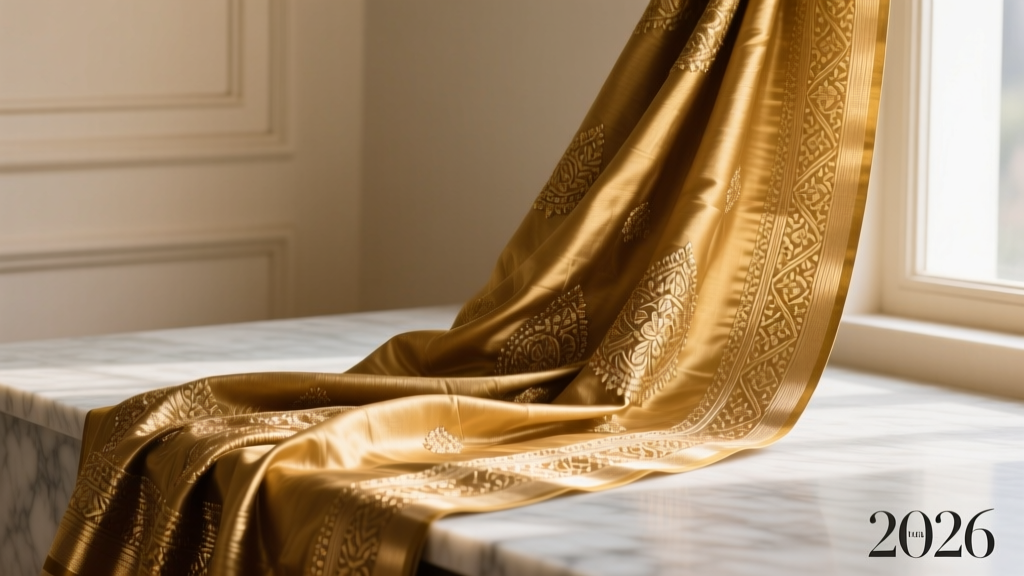
For the most formal occasions, the garment should act as a piece of wearable art. Opt for floor-length silhouettes crafted from Xiangyunsha (a rare, naturally dyed mud silk from Guangdong) or heavy silk brocade featuring Kesi (cut silk) tapestry techniques. The Victoria and Albert Museum's extensive Asian textile collections highlight how historical formal robes utilized metallic threads and dense embroidery to catch the light in dimly lit banquet halls. Pair a high-collared, long-sleeved formal piece with minimalist jade or pearl jewelry to avoid visual clutter.
Weddings: Bridal vs. Guest Protocols
Wedding attire requires strict adherence to color theory and cultural symbolism. For Brides: While many modern brides opt for a Western white gown for the ceremony, the traditional banquet often features a red qipao or the heavily embroidered two-piece Qungua (dragon and phoenix jacket). Red symbolizes luck and joy, while gold embroidery denotes wealth and prosperity. For Guests: Never wear solid red (which upstages the bride) or solid black/white (which are historically associated with mourning). Instead, choose jewel tones like emerald, sapphire, or plum. Midi-length dresses in crepe de chine with subtle, tonal jacquard patterns strike the perfect balance of respect and elegance.
Smart-Casual and Daytime Gatherings
The modern resurgence of the garment in daily wear is driven by relaxed silhouettes. For brunches, cultural festivals, or daytime garden parties, seek out A-line or flared skirts that allow for ease of movement. Fabrics like breathable linen, crisp cotton, or patterned ramie are ideal. The collar can be lowered or replaced with a subtle mandarin-band, and the pankou can be simplified. These contemporary interpretations honor the garment's heritage while adapting to the practicalities of modern life.
Sourcing and Price Guide for Authentic Pieces
The market is flooded with cheap, mass-produced costumes that misrepresent the garment's tailoring. To invest in a piece that respects the culture and flatters the body, understanding the tiers of production is essential.
- Off-the-Rack / Ready-to-Wear ($100 - $400): Brands like Blanc de Chine or high-end boutique labels offer standardized sizing with quality natural fabrics. These are excellent for occasional guests or those new to the garment.
- Made-to-Measure ($500 - $1,500): This is the recommended tier for serious collectors and frequent attendees. Tailors in Shanghai's South Bund Fabric Market or historic Hong Kong ateliers will take up to 20 distinct body measurements, ensuring the darts and seams contour perfectly to your unique shape without restricting breathing or movement.
- Haute Couture / Bespoke ($2,000 - $10,000+): Reserved for brides and red-carpet events. This tier involves master artisans who hand-weave the silk, execute thousands of hours of Su or Yue embroidery, and craft custom pankou knots from scratch. The fitting process can take several months and multiple muslin mock-ups.
Cultural Etiquette and Wearing Protocols
Wearing this garment is an exercise in poise and cultural respect. Because of the tailored fit and side slits, proper undergarments are non-negotiable. Always wear a seamless, high-waisted slip dress or specialized shapewear to ensure a smooth silhouette and modesty when sitting or walking. Furthermore, the garment demands a certain physical grace. The structured collar and darted bodice naturally encourage an upright posture; slouching will cause the stiff collar to dig into the neck and jawline. When sitting, keep the knees together and angle the legs slightly to the side to maintain the elegant line of the slit. Ultimately, understanding the true definition of this garment goes far beyond a dictionary entry. It is a living, breathing artifact of Asian history—a testament to the evolution of women's roles, the mastery of textile arts, and the enduring power of cultural identity. Whether you are attending a high-stakes gala or a quiet family dinner, choosing the right silhouette, fabric, and color ensures you honor the profound legacy woven into every seam.