Cheongsam Crop Top: Silk & Pankou Care Guide

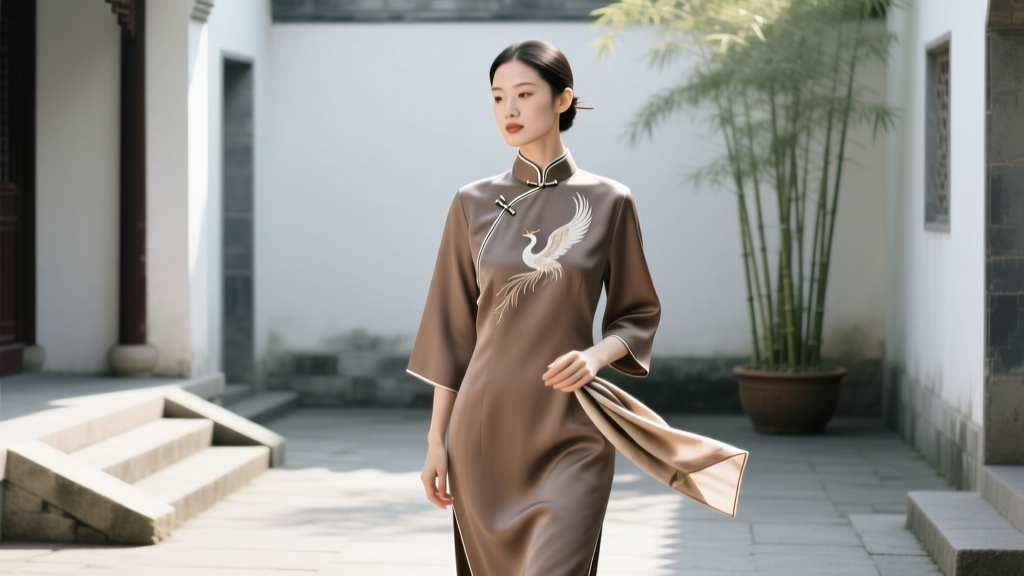
The modern cheongsam crop top represents a fascinating intersection of historical Chinese tailoring and contemporary global streetwear. Emerging from the Xin Zhong Shi (New Chinese Style) movement, this garment adapts the iconic silhouette of the 1920s Shanghai qipao into a cropped, midriff-baring or waist-cinched top. While the silhouette has been radically shortened for modern styling, the foundational architectural elements—the stiff mandarin collar (liling), the intricate frog fasteners (pankou), and the piped edges (gunbian)—remain intact.
Because these structural elements were originally designed for floor-length, heavy silk gowns, applying them to lightweight, cropped tops requires specialized care. Whether you own a $400 artisan-crafted Song brocade piece from Suzhou or a $40 polyester-blend top from a contemporary fast-fashion brand, improper maintenance can quickly destroy the collar's shape, unravel the delicate knots, or ruin the silk's luster. This comprehensive care guide will help you preserve the cultural integrity and physical longevity of your cheongsam crop top.
Fabric Identification: Knowing Your Material
Before applying any water or heat to your garment, you must accurately identify the fabric. The care protocol for a traditional textile differs vastly from modern synthetic adaptations.
Traditional Silk Brocade (Zhi Jin) and Mulberry Silk
High-end cheongsam crop tops, often priced between $150 and $450 USD, frequently utilize traditional Chinese brocades, such as Song brocade or Shu brocade. These fabrics feature raised, intricate patterns woven with metallic or contrasting silk threads. According to conservation guidelines from the China National Silk Museum, these textiles are highly sensitive to alkaline substances and mechanical agitation. Water can cause the metallic threads to tarnish and the silk warp to shrink unevenly, leading to severe puckering along the cropped hemline.
Xiangyunsha (Mud Silk)
Occasionally, luxury designers utilize Xiangyunsha, a rare, heritage silk dyed with yam juice and river mud. This fabric has a distinct crisp, paper-like texture and a dark, iridescent sheen. Never wash Xiangyunsha with water. The mud-dyeing process creates a delicate coating that will strip away if submerged. Spot clean only, and rely on professional heritage textile conservators for deep cleaning.
Contemporary Poly-Crepe and Viscose Blends
Mass-market and indie streetwear brands often use polyester crepe, viscose, or cotton-linen blends to make the cheongsam crop top accessible (typically $30 to $80 USD). These materials are far more forgiving, resistant to shrinking, and can often withstand gentle machine washing, though the structural elements (collar and knots) still require protection.
Washing Protocols and Water Chemistry
If your garment's care label permits washing, or if you are dealing with a washable silk blend, you must严格控制 (strictly control) the water chemistry and temperature.
- Temperature: Always use cold water, never exceeding 30°C (86°F). Heat causes silk fibers to contract and can melt the synthetic interfacing hidden inside the mandarin collar.
- Detergent: Standard laundry detergents are highly alkaline (pH 9-11) and will dissolve silk proteins over time, causing the fabric to become brittle and yellow. Use a pH-neutral detergent (pH 7.0) or a specialized silk wash. In a pinch, a mild, pH-neutral baby shampoo is an acceptable alternative.
- Agitation: Submerge the crop top and gently press the water through the fibers. Never twist, wring, or scrub the fabric, especially around the gunbian (piped edges), as this will distort the cropping line.
Preserving Structural Elements: Pankou and Mandarin Collars
The true challenge in maintaining a cheongsam crop top lies not in the fabric, but in the hardware and structural tailoring. The Victoria and Albert Museum's archives on the qipao highlight how these elements were historically constructed, providing clues for modern preservation.
The Pankou (Frog Fasteners)
Pankou are not merely decorative; they are complex, hand-knotted structures consisting of a male 'button' knot and a female 'loop' knot. In modern crop tops, artisans often insert thin copper wire or stiff cotton cord inside the silk strips to help the knots hold their intricate shapes (such as floral or butterfly motifs).
- Before Washing: Always fasten the pankou before washing. Leaving them unfastened allows the loops to stretch and the knots to snag on other fabrics.
- Drying: Never put a garment with pankou in a tumble dryer. The heat will warp the internal wire, and the tumbling will fray the silk edges. Reshape the knots with your fingers while the garment is damp.
The Mandarin Collar (Liling)
The stiff, upright collar is the hallmark of the cheongsam. To maintain its rigid posture on a lightweight crop top, tailors use heavy cotton or synthetic resin interfacing sandwiched between the outer fabric and the lining.
- The Sweat and Makeup Factor: Because the collar sits flush against the jawline and neck, it is highly prone to foundation transfer and sebum (body oil) buildup. Pre-treat the inner collar with a gentle enzymatic stain remover before washing.
- Ironing: Never apply a hot iron directly to the collar. The heat will melt the resin interfacing, causing it to bubble and permanently ruin the collar's shape. Always use a cotton pressing cloth and iron on the lowest heat setting (around 110°C for silk) with no steam.
Storage Solutions for Cropped Silhouettes
The cropped nature of the garment changes how it should be stored compared to a traditional full-length qipao. A full-length qipao is always hung to prevent creasing the long skirt. A crop top, however, is short and often features cap sleeves or sleeveless cuts.
- Hanger Selection: Avoid wire hangers, which will create permanent 'shoulder bumps' in the delicate fabric. Use wide, padded velvet hangers that grip the fabric without stretching the shoulder seams.
- Folding Heavy Brocades: If your crop top is made of heavy, stiff brocade, hanging it for long periods can stretch the shoulder line. Instead, fold it loosely with acid-free tissue paper stuffed inside the collar to maintain its cylindrical shape, and store it in a breathable cotton garment bag.
- Climate Control: Silk is a protein fiber, making it highly attractive to moths and silverfish. Store your crop tops with natural cedar blocks or dried lavender sachets. Avoid chemical mothballs, as their fumes will permanently taint the silk and can cause chemical reactions with metallic brocade threads.
Troubleshooting Common Cheongsam Crop Top Issues
| Issue | Cause | Corrective Action |
|---|---|---|
| Puckering along the cropped hem | Hot water washing or improper ironing of the gunbian (piping). | Steam the hem lightly from the inside using a garment steamer. Gently stretch the piping back into alignment while damp. Press flat with a cool iron. |
| Collar losing its stiffness / flopping | Melted interfacing from high-heat ironing or degradation from dry-cleaning chemicals. | Unfortunately, melted interfacing cannot be reversed. For future care, always use a pressing cloth. If the collar is simply wrinkled, use a handheld steamer at a distance of 5 inches. |
| Pankou knots becoming loose or fraying | Mechanical agitation in a washing machine or snagging on jewelry. | Apply a tiny drop of clear, flexible fabric glue to the base of the knot to secure the threads. Always fasten knots before washing and store away from rough surfaces. |
| Yellowing of white or pastel silk | Oxidation of silk proteins or residue from alkaline detergents. | Soak in a solution of cold water and a few drops of white vinegar (which restores the silk's natural acidic pH) for 5 minutes. Rinse thoroughly in cold water. |
Cultural Respect and the Future of Neo-Chinese Fashion
As the cheongsam crop top continues to gain popularity on global runways and in everyday streetwear, it is vital to remember the centuries of tailoring evolution it represents. The Metropolitan Museum of Art's Costume Institute notes that the qipao was originally a symbol of modernity and women's liberation in 1920s China. Today's cropped iterations carry that same spirit of boundary-pushing fashion forward.
By taking the time to understand the specific material composition, respecting the hand-crafted nature of the pankou, and utilizing proper, low-impact cleaning methods, you ensure that this beautiful fusion of heritage and modernity remains a staple in your wardrobe for years to come. Proper care is not just about maintaining a garment's financial value; it is an act of preserving the cultural artistry woven into every thread.