Cheongsam Evolution: A Historical & Cultural Guide

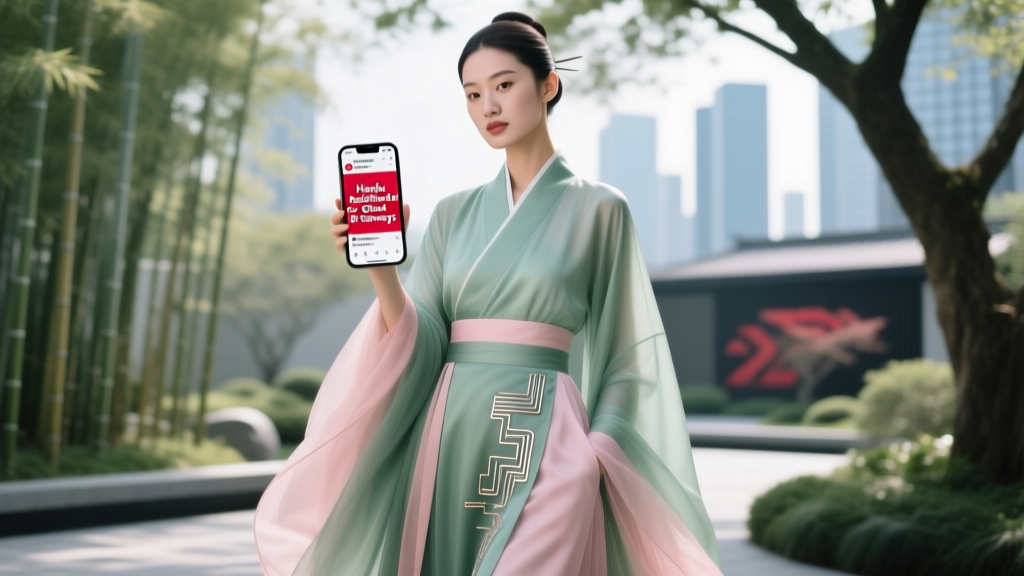
The linguistic duality of the garment is the first point of cultural importance for collectors and historians. In Mandarin, it is known as the qipao (旗袍), translating to 'banner robe,' a direct nod to its Manchu origins during the Qing Dynasty. In Cantonese and across much of the global diaspora, it is recognized as the cheongsam (長衫), meaning 'long dress.' Today, cheongsam clothes represent far more than a sartorial stereotype; they are a living archive of Chinese modernity, women's liberation, and masterful textile engineering.
This comprehensive guide explores the historical trajectory, anatomical construction, and contemporary sourcing of the qipao, separating cinematic fiction from sartorial fact.
From Banner Robes to Republican Rebellion
To understand modern cheongsam clothes, one must look back to the changpao (long robe) worn by Manchu bannermen during the Qing Dynasty (1644–1911). Following the 1911 Xinhai Revolution, which overthrew the imperial system, China experienced a wave of modernization and feminist awakening. In the 1920s, young female students and intellectuals in Shanghai began adopting the male scholar's long robe as a deliberate act of rebellion. By wearing a garment traditionally reserved for men, these women were demanding equal rights, access to education, and a rejection of restrictive, gender-segregated clothing.
As detailed by The Metropolitan Museum of Art's Costume Institute, this early iteration was boxy, loose, and androgynous, designed to obscure the female form rather than accentuate it. It was a radical political statement cloaked in traditional silk.
The Haipai vs. Jingpai Divide: A Tale of Two Cities
By the 1930s, the garment fractured into two distinct regional tailoring philosophies, which still dictate how authentic cheongsam clothes are constructed today.
Jingpai (Beijing Style): The Conservative Tradition
Rooted in the northern capital, the Jingpai style favors a looser, more conservative fit. It relies on traditional flat-pattern cutting, which treats the fabric as a two-dimensional canvas. The garments are often heavily embroidered with auspicious motifs like peonies and cranes, prioritizing cultural symbolism and modesty over the physical contours of the wearer.
Haipai (Shanghai Style): The Cosmopolitan Fusion
Shanghai, the 'Paris of the East,' birthed the Haipai style. Shanghai tailors integrated Western sartorial techniques, introducing darts, set-in sleeves, and the revolutionary bias cut. This allowed the silk to drape fluidly over the body's natural curves. The Haipai qipao became the uniform of the 1930s Shanghai elite, immortalized in calendar girl advertisements and later in cinema.
The Anatomy of the Qipao: Construction and Tailoring
Authentic cheongsam clothes are defined by strict structural elements. A true bespoke qipao requires an intricate understanding of fabric tension and anatomical mapping.
- The Mandarin Collar (Yuanbao Ling): A stiffened, standing collar that frames the face. In the 1930s, collars reached extreme heights, sometimes requiring the wearer to hold her chin at a specific, elegant angle.
- The Side Slits (Kaicha): Originally designed for ease of movement and horseback riding in Manchu culture, the slits migrated higher in the 1930s and 1940s as hemlines fluctuated and stockings became fashionable.
- The Bias Cut: Cutting the silk at a 45-degree angle to the grain line. This gives woven silk a natural stretch, allowing it to cling to the body without the need for synthetic elastane.
The Art of Pankou (Frog Fasteners)
Perhaps the most labor-intensive element of the qipao is the pankou. These are not merely buttons; they are hand-woven silk knots that serve as both structural fasteners and decorative jewelry. Master artisans use a silk-wrapped copper wire core to create intricate motifs—plum blossoms, butterflies, or the endless knot. A single complex pankou set can take a master tailor upwards of eight hours to handcraft.
A Century of Silhouettes: Decade-by-Decade Comparison
The evolution of the qipao is a mirror reflecting China's socio-economic shifts throughout the 20th century. The table below outlines the structural changes across key eras.
| Era | Silhouette & Hemline | Collar & Sleeves | Cultural Context |
|---|---|---|---|
| 1920s | Loose, boxy; calf-length | Low, soft collar; long wide sleeves | Feminist rebellion; adoption of male scholar robes. |
| 1930s | Form-fitting, bias-cut; floor-length | Stiffened high collar; cap sleeves | The 'Golden Era' of Shanghai glamour; Western tailoring influence. |
| 1940s | Practical, simplified; midi-length | Lower collar; short or sleeveless | Wartime rationing; focus on utility and movement. |
| 1950s-60s | Tight, tailored; knee-length | Low collar; sleeveless | Hong Kong working-class women; rise of the 'Hong Kong Style' tailoring. |
| 2000s+ | Varied (midi to mini); A-line to sheath | Modified collars, halter, or off-shoulder | Global fusion; wedding wear; high-fashion runways. |
Textile Traditions: Beyond Standard Silk
While satin and crepe de chine are common in commercial cheongsam clothes, cultural connoisseurs seek out heritage textiles that carry profound historical weight.
'The true soul of the qipao lies not in the cut, but in the memory of the thread. To wear Xiangyunsha is to wear the earth and the sun of the Pearl River Delta.'
Xiangyunsha (Gambiered Canton Gauze)
Recognized as a national intangible cultural heritage, Xiangyunsha is one of the most expensive and complex silks in the world. Originating in Guangdong, the silk is dyed repeatedly with the juice of the Dioscorea cirrhosa (a type of rattan), then coated in iron-rich river mud. The chemical reaction between the tannins and the iron creates a distinctive dual-toned fabric: deep black on one side and rich rust-brown on the other. It is naturally cooling, water-resistant, and develops a beautiful patina over time. Authentic Xiangyunsha qipaos typically start at $1,500 USD and can exceed $5,000 USD for bespoke pieces.
Songjin and Yunjin Brocades
For winter garments or highly formal wedding cheongsam clothes, tailors utilize Songjin (Song Dynasty brocade) or Yunjin (Cloud brocade from Nanjing). As noted by the Victoria and Albert Museum's Asian textile archives, these jacquard-woven silks incorporate gold and silver threads, creating heavy, structured garments that hold their shape impeccably without the need for heavy interlining.
Sourcing Authentic Cheongsam Clothes Today
Navigating the modern market requires an understanding of the tiers of production. Mass-market, factory-produced 'qipaos' often utilize polyester blends, plastic-molded buttons, and serged seams, stripping the garment of its cultural and structural integrity.
Price Tiers and Sourcing Guide
- Bespoke Heritage Tailors ($1,200 – $4,000+ USD): For authentic, hand-finished garments, seek out legacy tailors. In Hong Kong, establishments like Linva Tailor (established in 1946) or Blanc Marine offer true Haipai construction. In Shanghai, the Changle Road district still houses master tailors who draft patterns directly onto the fabric using chalk and bamboo rulers.
- Premium Ready-to-Wear ($400 – $900 USD): Brands like Shiatzy Chen or MS MIN bridge the gap between traditional craftsmanship and modern wearability. These garments feature genuine silk, hand-finished pankou, and French seams, though they rely on standardized sizing blocks.
- Accessible Artisan Cooperatives ($150 – $350 USD): Look for independent makers on platforms like Etsy or specialized Asian boutiques who source directly from Suzhou silk mills. Ensure the listing specifies 100% mulberry silk and hand-knotted fasteners rather than 'frog button trim' sold by the yard.
Cultural Protocol and Contemporary Styling
Wearing a qipao today carries a responsibility of cultural respect. The hyper-sexualized caricatures of the cheongsam seen in mid-century Western cinema have unfortunately colored global perceptions. In reality, the qipao is a garment of dignity, worn for Lunar New Year celebrations, tea ceremonies, academic graduations, and weddings.
When styling authentic cheongsam clothes, embrace the garment's inherent elegance. Pair a midi-length, heavy brocade qipao with minimalist jade or pearl jewelry, allowing the textile's narrative to take center stage. Avoid altering the hemline to extreme lengths or pairing the garment with overly casual footwear, as this disrupts the visual balance intended by the tailor.
Ultimately, the cheongsam is a testament to the resilience and adaptability of Chinese culture. It is a garment that has survived empires, revolutions, and global shifts, emerging not as a relic of the past, but as a dynamic symbol of Asian sartorial excellence. For further reading on the evolution of Qing dynasty textiles that preceded the qipao, the Heilbrunn Timeline of Art History provides excellent foundational context on the weaving traditions that make this garment possible.