Casual Chinese Dress: Guide to Everyday Heritage
Decoding the Casual Chinese Dress Movement
The intersection of historical heritage and modern streetwear has given rise to a vibrant sartorial movement. When enthusiasts and newcomers alike search for a Chinese dress, casual adaptations are often what they truly seek. Gone are the days when traditional garments were reserved strictly for weddings, Lunar New Year celebrations, or stage performances. Today, the Xin Zhongshi (New Chinese Style) movement champions the integration of centuries-old silhouettes into daily, everyday wardrobes.
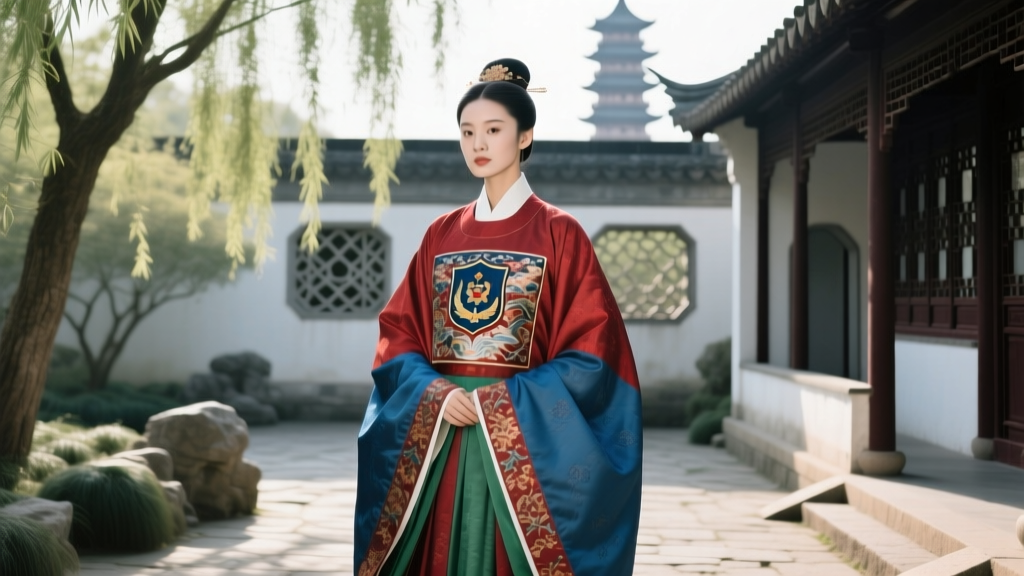
However, transitioning from historical costume to casual Chinese dress requires an understanding of fabric, cut, and cultural context. Wearing a heavily embroidered, floor-length Ming Dynasty ceremonial robe to a coffee shop does not constitute casual wear; rather, it risks reducing a profound cultural artifact to a mere costume. True everyday styling relies on modified silhouettes, breathable textiles, and an understanding of how to pair heritage pieces with contemporary staples. This beginner's guide will navigate the three main pillars of daily traditional wear, providing actionable frameworks for sourcing, styling, and respecting these living traditions.
Three Pillars of Everyday Traditional Wear
To build a versatile wardrobe, one must understand the distinct garment categories that lend themselves to casual wear. The modern renaissance of Chinese clothing is largely defined by three adaptable styles.
1. The Modified Qipao (Gailiang Qipao)
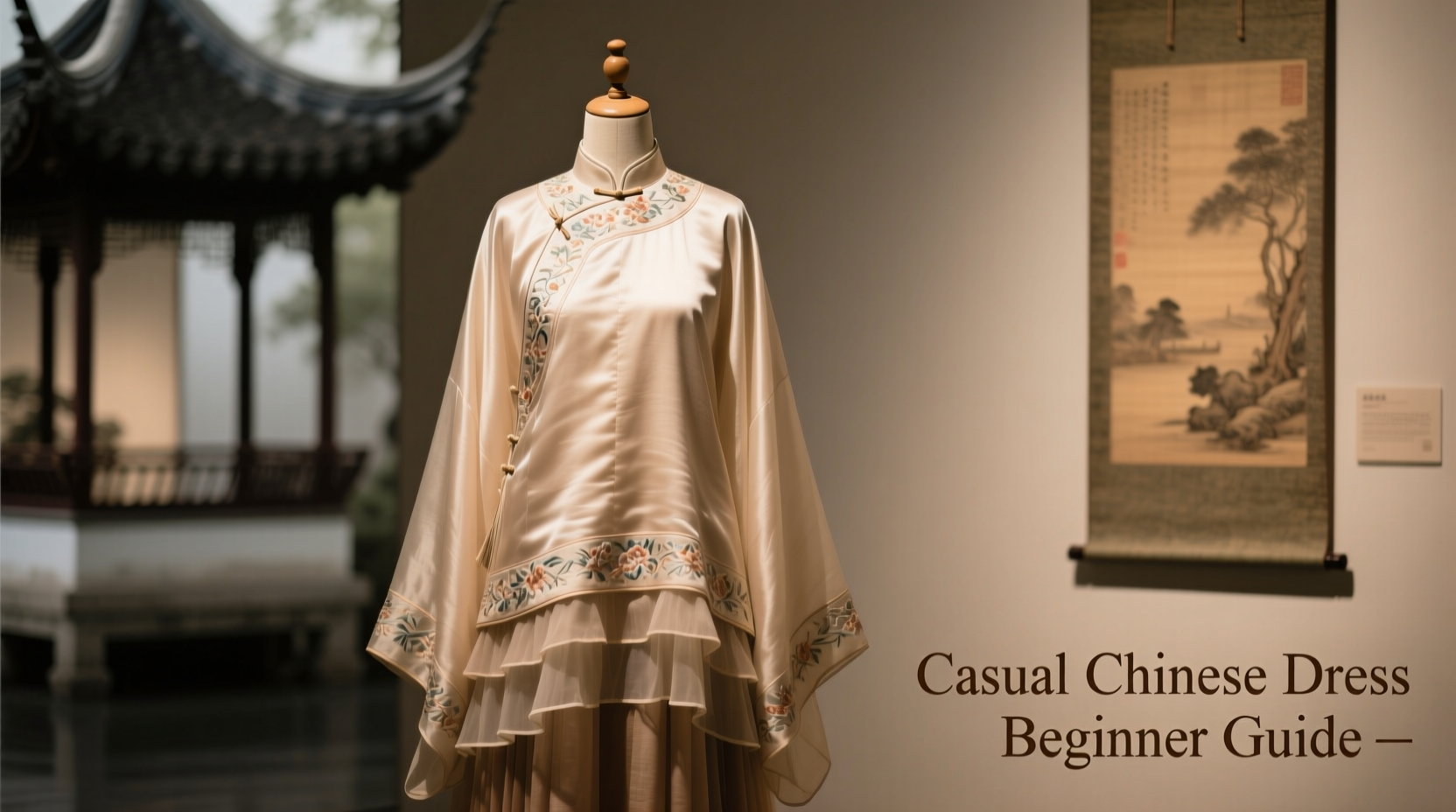
The traditional Qipao (or Cheongsam) evolved in 1920s Shanghai as a symbol of modern femininity, characterized by its form-fitting silhouette, high mandarin collar, and intricate pankou (frog closures). While beautiful, traditional silk-brocade qipaos are restrictive and delicate. The Gailiang Qipao (modified qipao) solves this for daily wear. These casual iterations often feature A-line or shift-dress cuts, lower or open collars for comfort, and hidden zippers alongside simplified decorative knots. According to the The Metropolitan Museum of Art's Costume Institute, the qipao has always been a garment of evolution, adapting to the social mobility needs of the women wearing it. Today's casual versions utilize cotton-linen blends, making them machine-washable and perfect for office environments or weekend outings.
2. Daily Hanfu (Hanfu Ricang)
The Hanfu movement seeks to revive the pre-Qing dynasty clothing of the Han Chinese. For casual wear, practitioners focus on Hanfu Ricang (daily Hanfu). The most popular casual silhouette is the Song Dynasty style, characterized by narrow sleeves, slender collars, and lightweight layering that does not impede movement. Another staple is the Mamianqun (horse-face skirt). Originating in the Ming Dynasty, this wrap-around skirt features flat front and back panels with pleated sides. Modern artisans produce Mamianqun in durable polyester blends or cotton, allowing them to be paired effortlessly with a simple white button-down shirt or a modern knit sweater. The Smithsonian National Museum of Asian Art frequently highlights the structural ingenuity of historical Chinese skirts, noting how their geometric pleating allowed for both modesty and active mobility.
3. The Modern Tang Jacket (Tangzhuang)
Despite its name, the Tangzhuang is not from the Tang Dynasty. It is a modern hybrid derived from the Qing Dynasty Magua (riding jacket), updated in the late 20th century with Western tailoring techniques like set-in sleeves and shoulder pads. For casual wear, the Tangzhuang is stripped of its heavy, shiny synthetic brocades and remade in matte linens, raw cotton, or denim. It serves as an excellent casual outer layer, functioning similarly to a bomber jacket or cardigan in a modern wardrobe.
Fabric and Construction: What Makes It Daily?
The defining line between a 'costume' and a 'casual Chinese dress' is almost always the textile. Historical garments utilized fragile silks, delicate gauzes, and heavy metallic brocades. Casual wear demands durability, breathability, and ease of care. Below is a comparative framework of textiles used in modern daily heritage wear.
| Fabric Type | Weave / Characteristics | Best Used For | Price Range (USD) | Care Instructions |
|---|---|---|---|---|
| Cotton-Linen Blend | Slubbed texture, breathable, matte finish | Modified Qipaos, Tangzhuang | $35 - $85 | Machine wash cold, hang dry |
| Ramie (Xia Bu) | Stiff, highly breathable, natural luster | Summer Hanfu tops, wide-leg pants | $50 - $120 | Hand wash, iron while damp |
| Mulberry Silk Crepe | Matte silk, slight stretch, drapes beautifully | Elevated casual Mamianqun | $120 - $250 | Dry clean or specialized silk wash |
| Tencel / Lyocell | Semi-synthetic, ultra-soft, cooling | Modern Song Dynasty slip dresses | $40 - $90 | Machine wash gentle, low heat dry |
When sourcing garments, always check the fiber content label. Avoid cheap polyester satins, which trap heat and reflect light in a way that reads as theatrical rather than sartorial.
Styling Framework: Blending Heritage with Modern Wardrobes
Integrating a casual Chinese dress into a contemporary closet relies on the principle of contrast. Pairing traditional pieces with modern, utilitarian items grounds the outfit and prevents it from looking like a period drama reenactment.
- Footwear: Avoid traditional embroidered cloth shoes for daily wear. Instead, pair a modified qipao with white leather sneakers, chunky loafers, or minimalist ankle boots. The juxtaposition of a heritage silhouette with modern footwear is a hallmark of the Xin Zhongshi aesthetic.
- Outerwear: A Mamianqun skirt looks exceptionally sharp when paired with a cropped leather moto jacket or an oversized denim jacket. This balances the volume of the pleated skirt with structured, casual tops.
- Accessories: Ditch the ornate hair sticks and jade pendants for everyday wear. Opt for modern geometric metal jewelry, canvas tote bags, or minimalist leather crossbody bags. Let the garment's cut and pankou knots serve as the primary focal point.
- Layering: Wear a fine-gauge turtleneck underneath a sleeveless modified qipao during autumn, or layer a casual Tangzhuang over a simple white t-shirt and tailored trousers.
Sourcing Authentic Casual Pieces: A Buyer's Blueprint
Finding high-quality, respectful, and genuinely casual Chinese dresses requires looking beyond generic fast-fashion retailers, which often appropriate and distort cultural motifs. Here is how to source authentic pieces:
Independent Taobao Studios
The epicenter of the daily Hanfu and modified qipao movement is on China's Taobao platform. Studios like Shi San Yu (Thirteen Yu) and Zhong Ling specialize in historically informed yet modernized daily wear. While navigating the platform requires a proxy shopping agent (like Superbuy or Wegobuy) for international buyers, the quality-to-price ratio is unmatched. Expect to pay between $40 and $150 USD for a complete, high-quality daily set.
Global Artisans and Etsy
For those seeking custom sizing or supporting diaspora creators, platforms like Etsy host independent tailors who craft modified qipaos from vintage or deadstock fabrics. These artisans often provide detailed measurement guides and consult on fabric choices. Prices here typically range from $120 to $300 USD, reflecting the labor of small-batch, ethical production.
Specialized Heritage Boutiques
Institutions and museums sometimes collaborate with modern designers. The Victoria and Albert Museum's Asian Collections frequently contextualize how historical patterns influence contemporary fashion designers. Seeking out brands that openly cite their historical references and collaborate with heritage textile weavers ensures your purchase supports the living culture of Chinese garment-making.
Cultural Etiquette and Respectful Wear
Wearing traditional clothing from any culture comes with a responsibility to understand its foundational rules. In Chinese sartorial history, the most critical rule of garment construction and wear is Jiaoling Youren.
The Rule of Jiaoling Youren: The left lapel must always cross over the right lapel, securing on the right side of the body. In traditional Chinese philosophy, the left represents life, yang energy, and the living world. The right-over-left configuration (known as Zuoren) is strictly reserved for the deceased in funerary rites. Wearing a garment right-over-left is considered highly inauspicious and deeply offensive. Always verify the wrap direction of your Hanfu tops and modified qipao wraps before leaving the house.
Furthermore, be mindful of motif placement and color. While modern casual wear embraces a wide spectrum of colors, traditional bright red is heavily associated with weddings and joyous festivals, while stark white and unadorned hemp were historically linked to mourning. For a casual, everyday context, earth tones, muted pastels, navy, and olive greens are not only historically grounded in daily civilian wear but also highly versatile for modern styling.
Ultimately, embracing a casual Chinese dress is about participating in a living, breathing cultural dialogue. By prioritizing practical fabrics, respecting historical construction rules like Jiaoling Youren, and styling these garments with modern intentionality, you honor the profound legacy of Asian textile arts while making them a vibrant part of your everyday life.