Care Guide for Qipao Pants & Two-Piece Sets
The Sartorial Shift: Understanding Qipao Pants and Xin Zhongshi
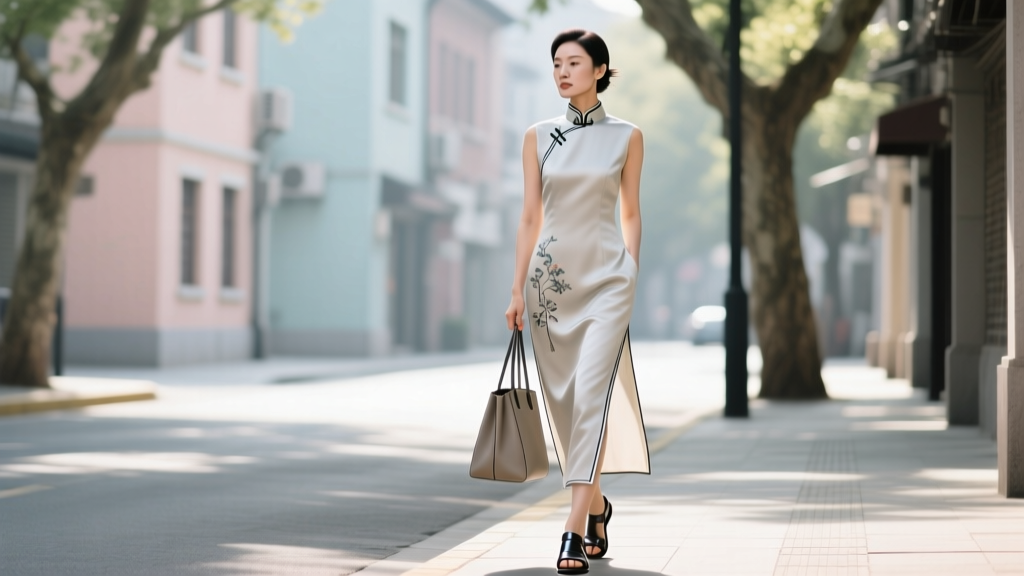
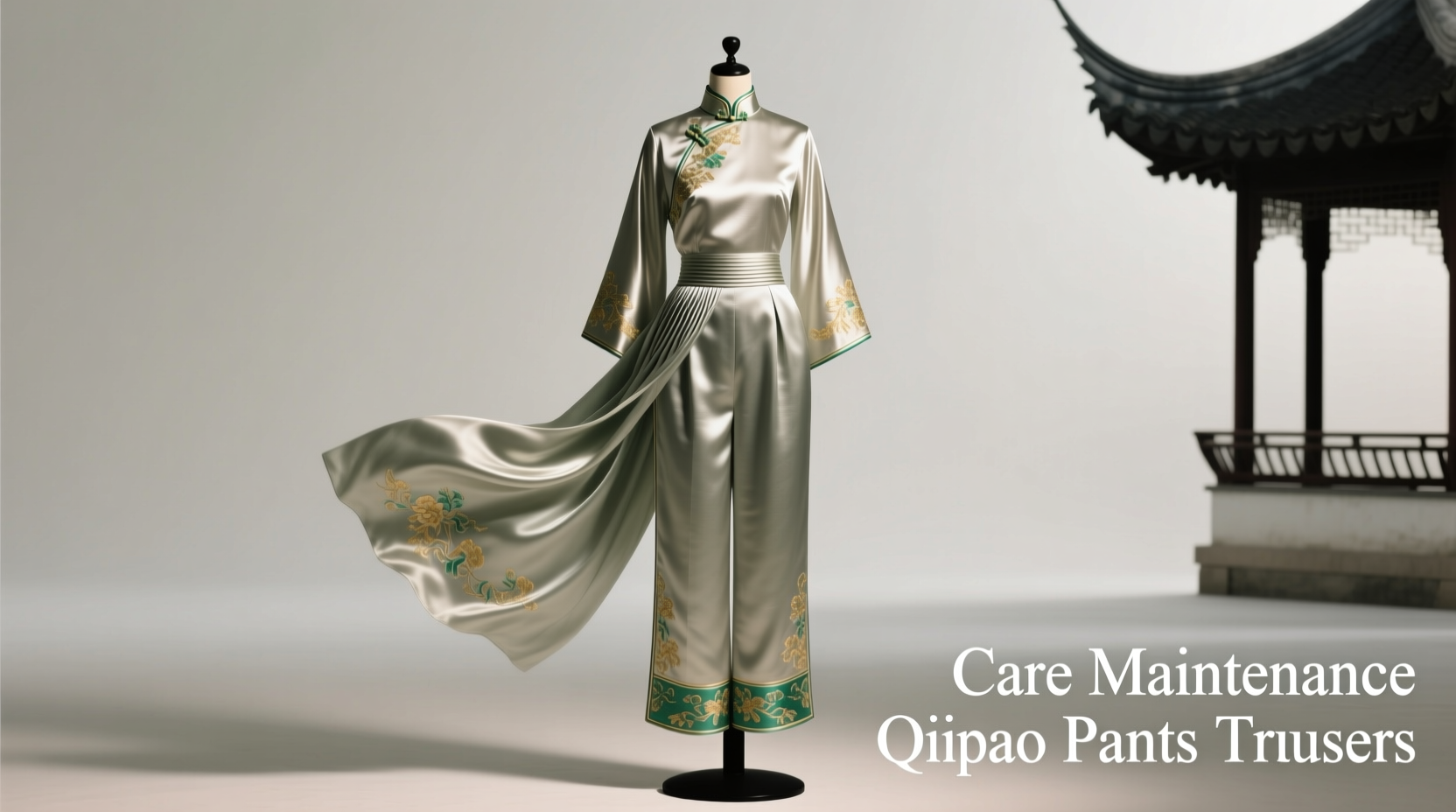
When discussing traditional Asian garments, the qipao (or cheongsam) is historically recognized as a form-fitting, one-piece dress that rose to prominence in 1920s Shanghai. However, the contemporary fashion landscape has given rise to the Xin Zhongshi (New Chinese Style) movement, which reinterprets heritage silhouettes for modern living. Within this movement, the term 'qipao pants' refers to two distinct categories: standalone wide-leg trousers crafted from traditional cheongsam textiles (featuring side-slits, scalloped hems, or brocade motifs), and shangyi xiaku (top-and-bottom separates) where a mandarin-collar qipao top is paired with flowing silk or brocade trousers.
Caring for these garments requires a deep understanding of Asian textile heritage. Unlike mass-produced fast fashion, authentic qipao pants and two-piece sets are frequently constructed from delicate protein fibers, metallic-woven brocades, or regionally specific dyed fabrics. According to The Metropolitan Museum of Art, the evolution of Chinese dress is deeply tied to the intricate craftsmanship of its textiles, meaning that improper care can permanently damage both the garment and its cultural integrity.
Fabric Identification and Care Matrix
Before applying any water or heat to your qipao pants, you must identify the textile. The care required for a stiff Song brocade differs vastly from that of fluid mulberry silk. Below is a comprehensive care matrix for the most common fabrics used in modern qipao separates.
| Fabric Type | Characteristics & Origin | Washing Protocol | Ironing Temperature | Estimated Price Range (USD) |
|---|---|---|---|---|
| Mulberry Silk (Sang Can Si) | Fluid, high-sheen protein fiber. Highly susceptible to alkaline damage and water spotting. | Hand-wash cold with pH-neutral detergent. Never wring. | Low (110°C) with press cloth | $120 - $350 |
| Xiangyunsha (Gambiered Gauze) | Coated in iron-rich river mud and dyed with Shoulang yam. Features a distinctive crackled texture. | Spot clean or gentle cold soak. No agitation. | Do not iron directly; steam only. | $400 - $1,800+ |
| Song Brocade (Songjin) | Heavy, structured weave often incorporating gold or silver metallic threads. | Dry clean only. Water will tarnish metallic threads. | Low steam, inside out. | $250 - $600 |
| Silk Velvet (Si Rong) | Plush pile fabric that drapes heavily. Prone to permanent crushing and water marks. | Dry clean preferred. Professional steam finishing. | Hover steam; never press flat. | $180 - $450 |
Washing Protocols: The Chemistry of Silk and Brocade
The most common mistake owners of silk qipao pants make is using standard laundry detergents. Standard detergents are alkaline (pH 8-10). Because silk is a protein fiber composed of amino acids, alkaline environments break the disulfide bonds, leading to fiber degradation, loss of luster, and eventual tearing. Always use a pH-neutral detergent specifically formulated for silk or wool.
The Cold-Water Silk Bath Technique
For washable silk qipao trousers, follow this meticulous process to preserve the fabric's warp and weft:
- Preparation: Fill a clean basin with cold water (below 20°C/68°F). Add a capful of pH-neutral silk wash.
- Submersion: Turn the pants inside out to protect any surface embroidery or delicate side-slit bindings. Submerge them gently.
- Agitation: Do not rub, twist, or scrub. Gently press the water through the fabric for no more than three minutes.
- Rinsing: Drain the soapy water and refill with cold, clean water. Repeat until the water runs clear. A final rinse with a tablespoon of white vinegar in cold water can help restore the silk's natural pH and luster.
- Extraction: Never wring silk. Press the garment against the side of the basin to remove excess water, then roll it loosely in a clean, dry microfiber towel to absorb moisture.
Caring for Xiangyunsha (Gambiered Canton Gauze)
Xiangyunsha is a masterpiece of intangible cultural heritage from Guangdong province. The fabric is dyed with the juice of the Dioscorea cirrhosa (shoulang) yam and coated with iron-rich mud from the Pearl River Delta. This creates a water-resistant, rustling fabric that sounds like paper when walked in. According to the China National Silk Museum, Xiangyunsha requires highly specialized care. Avoid soaking Xiangyunsha qipao pants entirely, as prolonged water exposure can soften the mud coating, leading to flaking. Instead, use a damp, soft cloth to spot-clean the interior, and hang the garment in a shaded, well-ventilated area to naturally dissipate odors.
Preserving Pankou (Frog Buttons) and Waistband Structures
Many qipao-inspired trousers and their matching tops feature pankou (intricate knotted frog buttons) along the waistband or side seams. These knots are traditionally made from tightly rolled silk strips, sometimes stiffened with starch or natural resins to maintain their complex floral or geometric shapes.
When washing or steaming qipao separates, the pankou are highly vulnerable. If they become saturated, the stiffening agents dissolve, and the knots can unravel or lose their structural integrity. To protect them during a cold-water bath, wrap the knot buttons loosely in plastic wrap or waterproof tape. If a pankou does become misshapen, use your fingers to gently mold it back into its original knot pattern while the silk is still damp, and allow it to air-dry undisturbed.
Drying, Ironing, and Crease Prevention
Wide-leg qipao pants are designed to drape elegantly, but improper drying can introduce permanent creases that break the silk fibers over time.
- Drying: Never hang wet silk pants by the hem, as the weight of the water will stretch the fabric. Instead, hang them by the waistband on a padded hanger, or lay them completely flat on a mesh drying rack in the shade. Direct sunlight will cause rapid photodegradation, fading the rich jewel tones typical of cheongsam textiles.
- Ironing: Always iron silk and brocade on the reverse side. Use a low heat setting (110°C/230°F) and place a clean cotton press cloth between the iron and the garment. For silk velvet or heavily embroidered brocade, avoid pressing down entirely; instead, use a handheld garment steamer, keeping the nozzle at least two inches away from the fabric to prevent water spotting.
Archival Storage for Asian Heritage Garments
Storing qipao pants and two-piece sets requires an environment that mitigates humidity, light exposure, and pest damage. The Victoria and Albert Museum's Asian Collections department emphasizes that textiles of this caliber should be treated as archival artifacts.
Preventing Moth Damage and Humidity Warping
Silk and wool-blend brocades are prime targets for clothes moths and carpet beetles. However, traditional mothballs (naphthalene or paradichlorobenzene) emit toxic gases that can chemically react with silk proteins and metallic brocade threads, causing yellowing and tarnishing. Instead, store your folded qipao pants in breathable, unbleached cotton garment bags. Place natural cedar blocks or dried lavender sachets in the drawer or closet to deter pests safely.
To prevent deep-set creases during long-term storage, fold the trousers along their natural seam lines and pad the folds with acid-free, unbuffered tissue paper. This prevents the silk fibers from breaking at the fold points, ensuring that when you next wear your Xin Zhongshi ensemble, the fabric drapes with the same fluid grace as the day it was tailored.
'To wear and care for traditional Chinese textiles is to participate in a living dialogue with history. The meticulous maintenance of a silk garment is not merely a chore, but an act of cultural preservation.' — Textile Conservation Department, China National Silk Museum.