Care Guide for Chinese Traditional Outfits: Hanfu & Qipao

The Delicate Architecture of Chinese Textiles
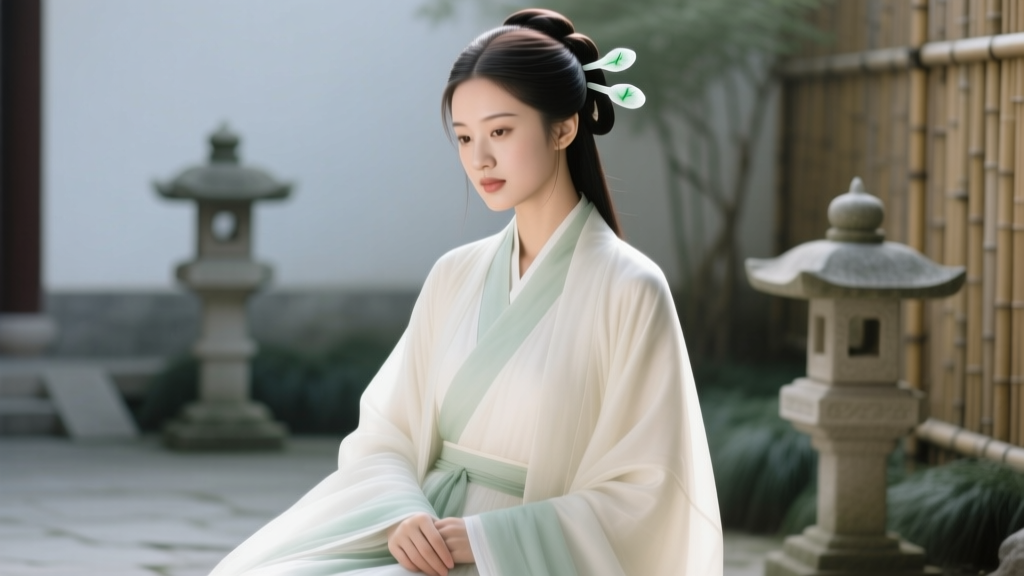
Owning authentic Chinese traditional outfits is an investment in living history and sartorial artistry. From the flowing silhouettes of Ming dynasty Aoqun (jacket and skirt sets) to the meticulously tailored, body-skimming lines of a 1930s Shanghai Qipao (Cheongsam), these garments are constructed from natural fibers that demand specialized maintenance. Unlike modern synthetic blends, historical and high-quality contemporary Chinese garments utilize protein fibers like mulberry silk, and cellulose fibers like ramie and cotton, often dyed with organic plant-based pigments.
The longevity of your Chinese traditional outfits depends entirely on understanding the structural integrity of these textiles. For instance, Xiangyunsha (Gambiered Canton Gauze), a highly prized silk from Guangdong, is dyed using yam juice and river mud. This unique chemical reaction creates a water-resistant, crackling texture that can be easily destroyed by alkaline detergents. Similarly, heavy brocades like Songjin and Zhuanghua feature complex supplementary wefts that can snag or warp if subjected to the agitation of a washing machine. To preserve the cultural and monetary value of these pieces, one must adopt a conservation-minded approach to daily care.
Fabric-Specific Washing Protocols
The most common cause of irreversible damage to Chinese traditional outfits is improper washing. The golden rule for natural fibers is to avoid extreme temperatures, harsh surfactants, and mechanical agitation.
Mulberry Silk and Qipao Maintenance
Silk fibroin is a protein fiber that is highly sensitive to pH levels. When washing a silk Qipao or a delicate Song dynasty-style Beizi (open-front jacket), you must use a pH-neutral, non-enzymatic detergent specifically formulated for silk. Standard laundry detergents contain proteases (enzymes that break down proteins) which will literally digest the silk fibers over time, leading to micro-tears and a loss of the fabric's characteristic luster. Water temperature should never exceed 30°C (86°F). Submerge the garment gently, allowing it to soak for no more than three to five minutes before rinsing with cool, distilled water to prevent mineral deposits from hard water dulling the fabric.
Hanfu Blends: Cotton, Ramie, and Linen
Many everyday Hanfu garments, particularly those designed for summer or historical accuracy in commoner-class attire, are made from ramie or linen. These cellulose fibers are more robust than silk but are prone to severe shrinkage and hard creasing. Hand washing in lukewarm water with a mild, plant-based soap is recommended. Never wring or twist ramie, as this breaks the stiff fibers and causes permanent whitening along the crease lines.
Heavy Brocades and Winter Garments
Winter Hanfu, such as the Pifo (cloud shoulder) or heavy Ao (padded jackets), often feature intricate Suxiu (Suzhou embroidery) and metallic threads. These garments should never be submerged in water. The metallic threads, historically made by wrapping flattened gold or silver leaf around a silk core, will tarnish and snap when wet. Spot cleaning with a barely damp microfiber cloth and seeking professional textile conservation is the only safe route for heavily embellished Chinese traditional outfits.
Comprehensive Care Matrix for Chinese Traditional Outfits
Use the following matrix as a quick-reference guide for maintaining the diverse textiles found in traditional Chinese wardrobes.
| Fabric / Garment Type | Wash Method | Water Temp | Iron Setting | Storage Requirement |
|---|---|---|---|---|
| Mulberry Silk Qipao | Hand wash (pH-neutral) / Dry clean | Max 30°C (86°F) | Low / Silk (with press cloth) | Padded hanger, breathable cotton bag |
| Xiangyunsha (Mud-dyed Silk) | Hand wash (mild acid/neutral) | Cool (Max 25°C) | Low steam, no direct contact | Folded with acid-free tissue |
| Ramie / Linen Hanfu | Hand wash / Gentle machine | Lukewarm | High heat (while damp) | Folded, avoid wire hangers |
| Songjin / Zhuanghua Brocade | Professional dry clean only | N/A | Steam only, no pressure | Archival box, unbuffered tissue |
| Embroidered Winter Ao | Spot clean / Professional conservation | N/A | Do not iron directly | Padded hanger, cedar-lined closet |
Drying and Ironing Without Damaging Fibers
The transition from wet to dry is when textiles are most vulnerable to structural deformation.
The Shade-Drying Method
Ultraviolet (UV) radiation is highly destructive to both silk proteins and natural dyes like indigo and lotus root. Direct sunlight will cause silk to become brittle and yellow, while natural dyes will fade rapidly. Always dry your Chinese traditional outfits in a well-ventilated, shaded area. For silk Qipaos and delicate Hanfu tops, never use clothespins, which will leave permanent watermarks and stretch the wet fibers. Instead, roll the wet garment gently in a clean, dry cotton towel to absorb excess moisture, then lay it flat on a mesh drying rack.
Temperature Control for Pressing
Ironing requires precise thermal management. Silk and synthetic blends often used in modern, budget-friendly Hanfu require a low heat setting (around 110°C or 230°F). Always use a clean, white cotton pressing cloth between the iron and the garment to prevent scorch marks and the dreaded 'iron shine' that occurs when silk fibers are crushed by direct heat. For heavily textured fabrics like Xiangyunsha or crepe silk, avoid flat ironing entirely; instead, use a handheld garment steamer held at least two inches away from the fabric to relax the wrinkles without flattening the intentional texture of the weave.
Archival Storage for Heirloom Garments
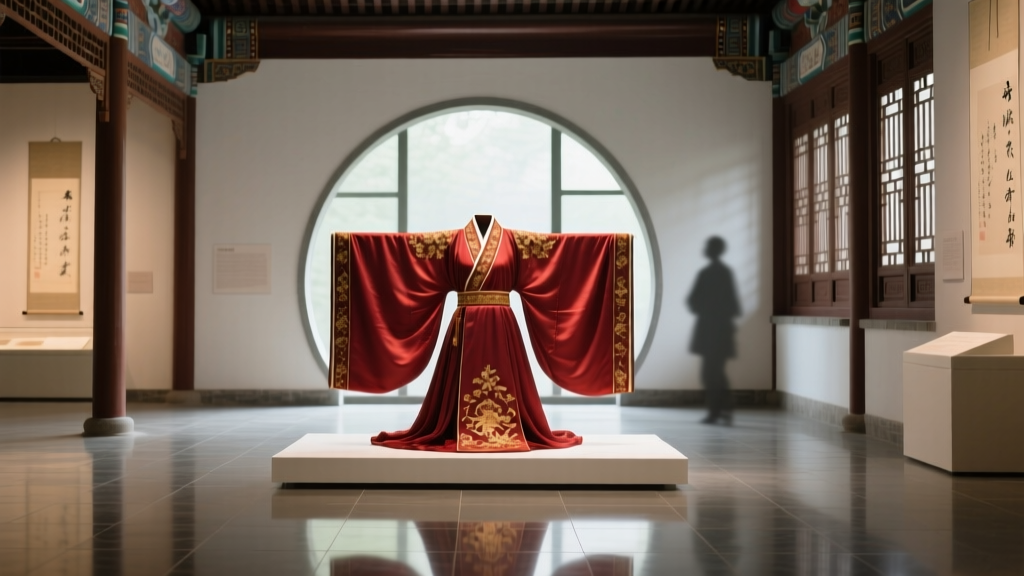
Proper conservation of historical garments is not merely about cleanliness; it is about stabilizing the protein and cellulose fibers to halt the degradation of cultural heritage for future generations. Environmental control is paramount.
— Principles adapted from the Department of Textile Conservation, The Metropolitan Museum of Art
How you store your Chinese traditional outfits when they are out of rotation is just as critical as how you wash them. Improper storage leads to acid migration, permanent creasing, and pest infestations.
Moisture, Moths, and Acid Migration
Silk is a protein fiber, making it a prime target for clothes moths and carpet beetles. However, traditional mothballs (naphthalene or paradichlorobenzene) emit toxic fumes that can chemically alter natural dyes and degrade silk over time. Instead, utilize natural alternatives like cedar wood blocks or dried lavender sachets, ensuring they do not directly touch the fabric to prevent oil transfer.
When folding heavy Hanfu skirts or brocade jackets, always pad the folds with unbuffered, acid-free tissue paper. Buffered tissue (which contains an alkaline reserve to neutralize acids) is excellent for cotton and linen, but it can damage silk and wool over decades. For your most prized Qipaos, invest in custom-fitted, breathable cotton garment bags. Avoid plastic dry-cleaning bags, which trap moisture and emit volatile organic compounds (VOCs) that accelerate the yellowing of white and pale-colored silks.
Hanger Selection for Structural Support
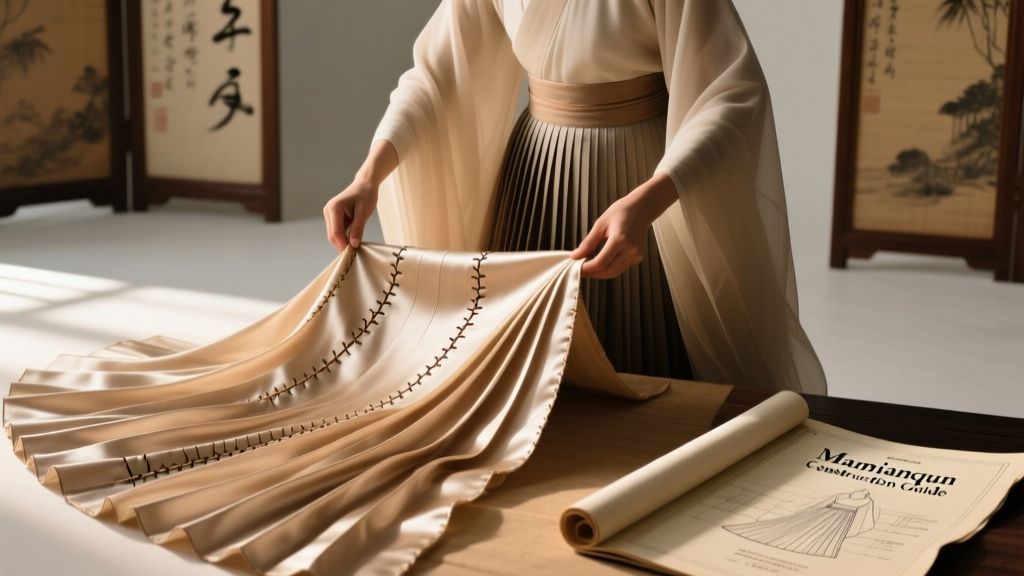
Never hang heavy, embroidered garments or wet silk on wire hangers. The concentrated stress on the shoulders will cause the fibers to tear and the garment to lose its historical silhouette. Use wide-shouldered, padded wooden hangers wrapped in unbleached cotton muslin. For extremely heavy Ming-style Mamianqun (horse-face skirts), hanging by the waistband can cause the heavy pleats to stretch and distort; these are best stored flat in archival textile boxes.
Sourcing Professional Conservation Services
There are times when home maintenance is insufficient. If a vintage Republican-era Qipao suffers from shattering silk, or if a high-end Xiangyunsha Hanfu develops stubborn oil-based stains, it is time to consult a professional. Standard dry cleaners often use harsh chemical solvents like perchloroethylene (perc), which can strip the natural sericin coating from silk and dissolve the adhesives used in traditional stiff collars.
Seek out textile conservators or specialized wet-cleaning facilities that understand historical garments. According to the Victoria and Albert Museum's textile care guidelines, professional conservation involves microscopic analysis of the fibers and dyes before any solvents are applied. Expect to pay a premium for this expertise; professional conservation cleaning for a heavily embroidered traditional jacket typically ranges from $150 to $500 USD, depending on the condition and the complexity of the embellishments. For museum-grade advice and to understand the historical context of your garments' construction, resources provided by institutions like the Metropolitan Museum of Art's Textile Conservation Department offer invaluable insights into the science of preserving Asian textiles.
Conclusion: Respecting the Craftsmanship
Caring for Chinese traditional outfits is an act of cultural preservation. Whether you are wearing a flowing Tang dynasty Ruqun for a festival or a sleek, modern silk Qipao for a formal event, treating these garments with the respect their artisans intended ensures they will remain vibrant, structurally sound, and culturally significant for decades to come. By mastering the nuances of pH-balanced washing, thermal management, and archival storage, you become not just a wearer of fashion, but a steward of history.