Complete Care Guide for Ancient Chinese Clothing Women Wear

Preserving the Legacy: An Introduction to Hanfu Maintenance
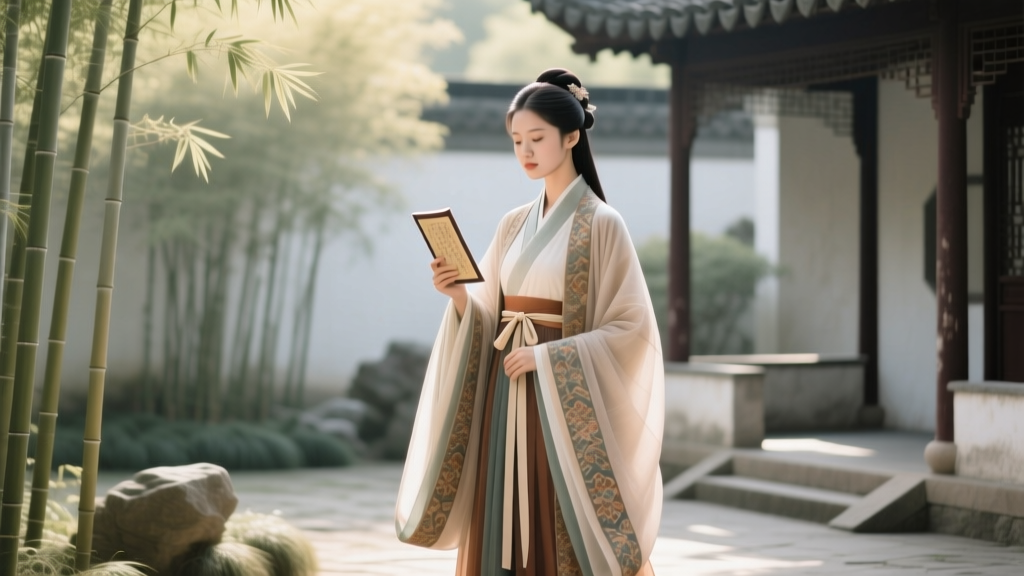
The global revival of Hanfu (汉服) has brought the breathtaking silhouettes of historical Chinese dress into modern wardrobes. When investing in authentic ancient Chinese clothing women wear for cultural festivals, ceremonies, or daily styling, proper maintenance is not merely about cleanliness—it is an act of cultural preservation. Unlike modern fast fashion, traditional garments like the Ruqun (襦裙), Aoqun (袄裙), and Mamianqun (马面裙) are constructed using specialized natural fibers, complex pleating techniques, and delicate metallic threads that require highly specific care protocols.
According to textile conservation guidelines from the Victoria and Albert Museum, historical Asian textiles are particularly vulnerable to environmental stressors, improper washing, and acidic storage. This comprehensive guide provides actionable, expert-level maintenance strategies to ensure your traditional garments remain pristine for generations.
Fabric Identification: The Foundation of Hanfu Care
Before applying water or heat to any garment, you must accurately identify the fiber content. Ancient Chinese clothing women wear today is typically crafted from three primary categories of natural fibers, each with distinct structural vulnerabilities.
| Fabric Type (Native Term) | Historical Era Prominence | Washing Protocol | Heat Tolerance | Market Price Range (Per Yard) |
|---|---|---|---|---|
| Mulberry Silk (Sangcansi) | Tang & Song Dynasties | Handwash cold (max 30°C), pH-neutral detergent | Low (Iron on silk setting, use press cloth) | $45 - $120 USD |
| Ramie / Hemp (Ma) | Qin & Han Dynasties | Machine wash gentle or handwash warm | High (Can withstand steam ironing) | $15 - $35 USD |
| Gambiered Canton Gauze (Xiangyunsha) | Ming & Qing Dynasties | Spot clean only, never soak | None (Air dry, steam lightly from inside) | $150 - $400+ USD |
Xiangyunsha (香云纱), often referred to as "mud silk," requires exceptional care. As documented by the China National Silk Museum, this fabric is dyed using yam juice and coated with iron-rich river mud, creating a unique dual-toned, water-resistant finish. Submerging Xiangyunsha in water or using alkaline soaps will strip the mud coating and ruin the fabric's structural integrity.
Washing Protocols for Specific Garment Types
The construction of Hanfu dictates its washing method. The voluminous sleeves and intricate layering of ancient Chinese clothing women cherish cannot be treated as standard apparel.
The Delicate Ruqun (Blouse and Skirt Ensemble)
The Ruqun, consisting of a short jacket (ru) and a high-waisted skirt (qun), is a staple of Tang and Song dynasty styling. Silk Ruqun sets must be hand-washed in a basin using a specialized silk wash (such as Eucalan or The Laundress Delicate Wash, typically $15-$25 per bottle). Never wring or twist the silk, as this breaks the fibroin proteins and causes permanent creasing. Instead, gently agitate the water and let the garment soak for no more than three minutes.
The Structured Mamianqun (Horse-Face Skirt)
The Ming dynasty Mamianqun is renowned for its flat front and back panels with deeply pleated sides. Modern reproductions often use high-temperature heat-setting to maintain these sharp pleats. Never machine-wash a Mamianqun. The agitation will destroy the pleats, and the friction can cause the overlapping panels to fray. If the skirt is made of polyester-cotton blends (common in entry-level Hanfu priced between $30-$60), spot clean the flat panels with a damp microfiber cloth. For silk or brocade versions, professional dry cleaning specializing in historical textiles ($80-$150 per garment) is the only safe option.
Managing Zijin (Gold-Woven Threads)
Many ceremonial garments feature Zijin (织金), a technique where gold or silver metallic threads are woven into the fabric. The Metropolitan Museum of Art notes that historical metallic threads are highly susceptible to tarnishing and oxidation when exposed to moisture and modern detergents. Garments with heavy Zijin work should never be submerged in water. Use a soft, dry brush to remove surface dust and rely on professional textile conservators for deep cleaning.
Drying and Ironing Techniques for Historical Silhouettes
Improper drying is the leading cause of silhouette distortion in Hanfu.
- Air Drying: Never hang wet silk Hanfu on a wire or wooden hanger. The weight of the water will stretch the shoulder seams and cause permanent "hanger bumps." Lay the garment flat on a clean, white cotton towel on a drying rack, away from direct sunlight. UV rays will rapidly fade natural dyes like indigo (lan) and madder root (qiancao).
- Restoring Pleats: If the pleats of your Mamianqun begin to relax, you can restore them using a specialized pleating board or by carefully folding the pleats flat, securing them with stainless steel binder clips (which will not rust like standard metal clips), and applying a burst of steam from an iron held two inches above the fabric. Do not press the iron directly onto the pleats.
- Collar Stiffening: The overlapping collars (jiaoling) of the Shenyi (深衣) robe require a crisp appearance. Use a light spray of natural starch on the inner collar lining before ironing on a medium setting to maintain the structural V-shape.
Archival Storage Solutions for Your Collection
How you store your ancient Chinese clothing women wear during the off-season is just as critical as how you wash it. Traditional wooden wardrobes or standard plastic bins can off-gas acids and trap moisture, leading to mold or yellowing.
Expert Storage Tip: Never store silk Hanfu in direct contact with cedar or unsealed pine. The natural oils in the wood will transfer to the silk, causing irreversible yellow staining. Always use a barrier of washed, unbleached cotton muslin.
Invest in archival-quality storage supplies. Acid-free tissue paper ($15 for a pack of 25 sheets) should be used to stuff the voluminous sleeves of Daxiushan (大袖衫) robes to prevent deep creasing. Store folded garments in acid-free cardboard archival boxes ($30-$80 each) lined with cotton. If you must hang heavier garments like winter Ao (padded jackets), use wide, padded hangers covered in cotton to distribute the weight evenly across the shoulder seams.
Stain Management for Natural Dyes
Hanfu often utilizes traditional plant dyes, which react differently to stains than synthetic chemical dyes. If you spill food or oil on a naturally dyed silk garment, avoid commercial stain removers containing bleach or harsh enzymes.
- Oil Stains: Immediately apply a small amount of cornstarch or talc-free baby powder to the spot to absorb the oil. Let it sit for 24 hours, then gently brush it away.
- Water Spots on Silk: Silk is notorious for showing water rings. If a drop of water dries on your Ruqun, do not rub it. Instead, lightly steam the entire panel of the garment to evenly redistribute the moisture, eliminating the ring.
- Sweat and Deodorant: The underarm areas of tight-sleeved Ming dynasty jackets are prone to deodorant buildup, which can degrade silk fibers over time. Wear a thin, washable cotton undershirt (zhongyi) beneath your outer Hanfu layers to act as a sacrificial barrier against body oils and perspiration.
Conclusion: Honoring the Craftsmanship
Caring for ancient Chinese clothing women wear today is a mindful practice that connects the modern wearer to centuries of textile innovation. By understanding the specific needs of mulberry silk, ramie, and mud-coated gauze, and by respecting the architectural construction of garments like the Mamianqun, you ensure that these beautiful cultural artifacts remain vibrant, wearable, and historically resonant. Treat your Hanfu not merely as clothing, but as a living archive of Asian heritage.