Decoding Blue Hanfu: Symbolism, History, and Cultural Meaning
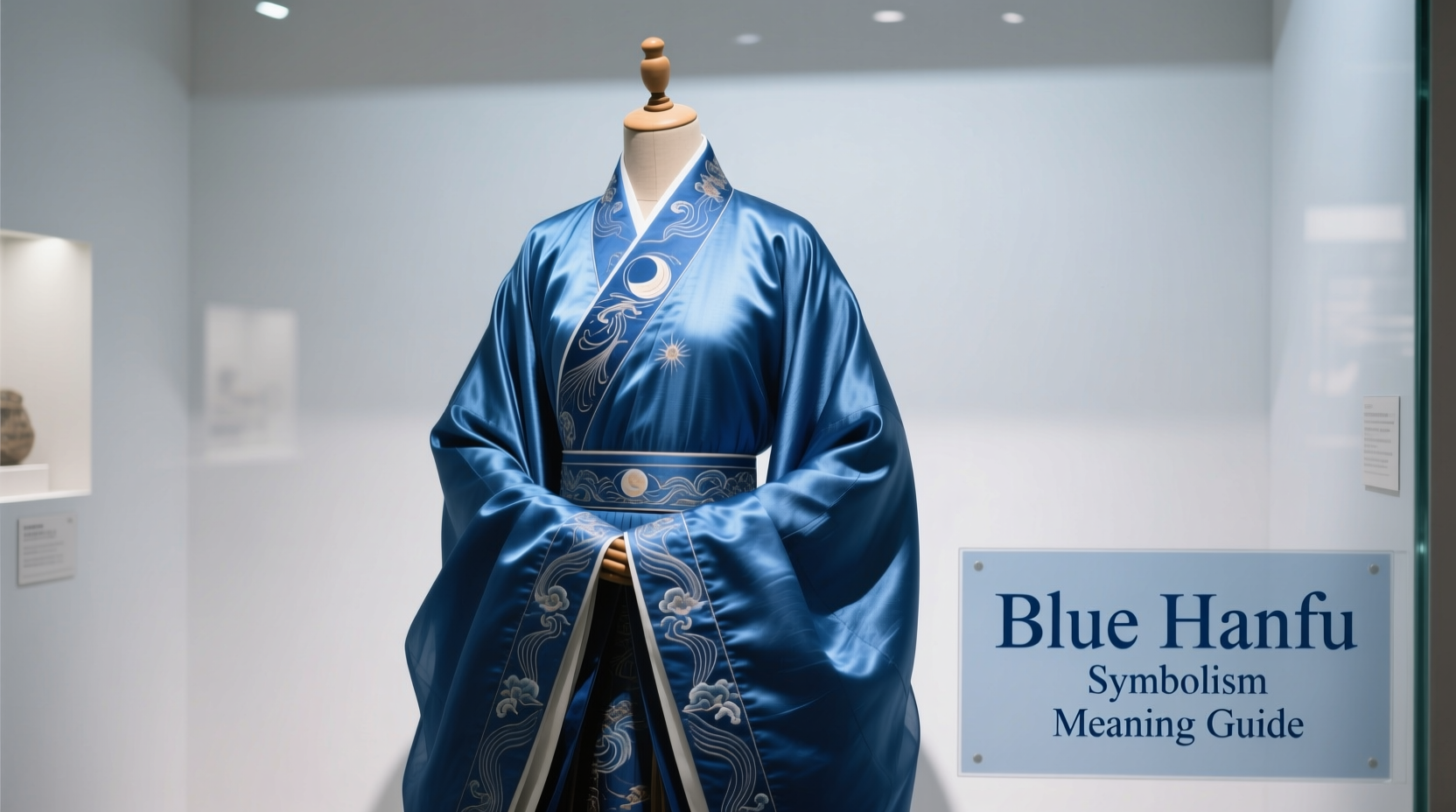
When observing the sweeping silhouettes of traditional Chinese dress, color is never merely an aesthetic choice; it is a profound philosophical language. Among the diverse palette of traditional garments, blue hanfu occupies a uniquely revered space. From the pale, ethereal azure of Wei-Jin dynasty scholars to the deep, saturated indigo of Ming dynasty pleated skirts, blue represents a complex intersection of cosmology, botany, and social identity. For modern enthusiasts and cultural historians alike, understanding the symbolism of blue hanfu requires looking beyond the fabric to the ancient systems of thought that dyed it.
The Five Elements and the Azure Spectrum
To understand blue in the context of Hanfu, one must first understand the Wu Xing (五行), or the Chinese Five Elements theory, which has governed Chinese cosmology, medicine, and aesthetics for millennia. In this system, colors are directly mapped to elements, seasons, and directions.
The color blue—often grouped with green and black under the ancient character Qing (青)—is associated with the Wood element. It represents the East, the season of Spring, and the concepts of vitality, growth, and renewal. When a wearer dons a blue hanfu, they are symbolically aligning themselves with the energy of the spring dawn and the natural world. According to the Metropolitan Museum of Art's Heilbrunn Timeline of Art History, color in Chinese textiles was strictly regulated by sumptuary laws during various dynasties, meaning the specific shade of blue one wore could instantly communicate their scholarly rank, marital status, or connection to the heavens.
Qing (青) vs. Lan (蓝): Understanding the Linguistic Divide
Modern English speakers often struggle with historical Chinese color terminology because ancient Chinese did not strictly separate blue and green. The character Qing (青) can translate to azure, deep green, or even black, depending on the context. For example, Qing is used to describe the green of mountains and the blue of the sky. Conversely, Lan (蓝) specifically refers to the indigo plant and the deep blue dye derived from it. When shopping for or studying blue hanfu today, you will frequently encounter both terms: Qing usually denotes lighter, teal, or cyan-leaning silks, while Lan denotes rich, dark indigo cottons and heavy brocades.
Botanical Alchemy: The History of Indigo in Hanfu
Before the advent of synthetic aniline dyes in the late 19th century, achieving a true blue hanfu required immense agricultural and artisanal labor. The primary source for blue dye in China was Polygonum tinctorium, commonly known as Chinese indigo or Lancao.
The process of extracting indigo is a masterclass in botanical alchemy. The leaves must be fermented in alkaline water, reduced to a white, soluble state, and then exposed to oxygen to oxidize back into an insoluble blue pigment. The China National Silk Museum in Hangzhou preserves extensive Ming and Qing dynasty textiles that showcase the incredible colorfastness of natural indigo, a testament to the mastery of ancient dyers who could achieve everything from pale "moonlight" blue to near-black midnight indigo through repeated dipping.
Artisan Techniques: Lanran and Jiaoxie
Blue hanfu is not always a solid color. Historically, artisans utilized resist-dyeing techniques to create intricate patterns on blue fabrics:
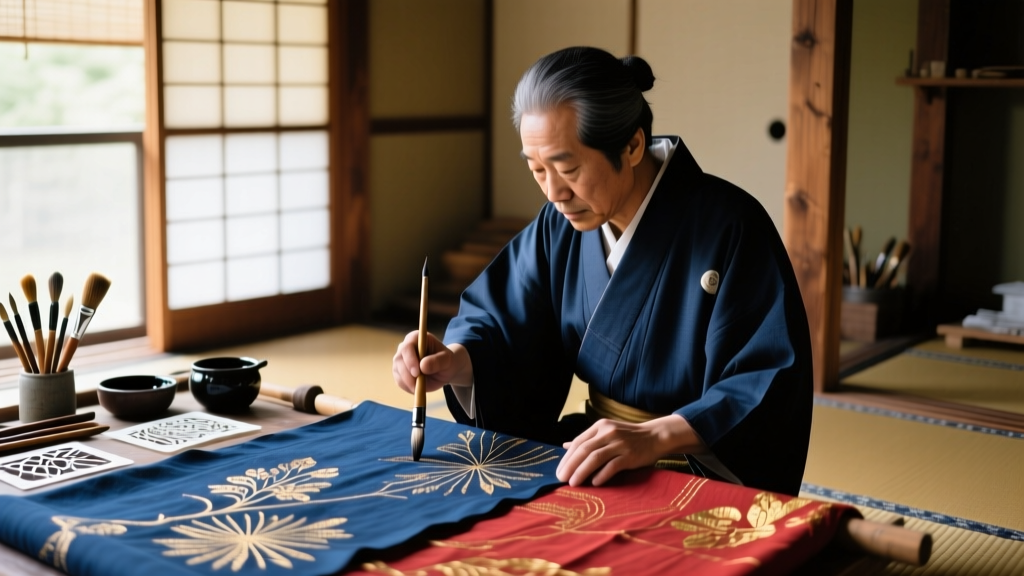
- Lanran (Indigo Resist Dyeing): Similar to Japanese Shibori, artisans used tying, stitching, and folding techniques before dipping the fabric into indigo vats. This resulted in organic, cloud-like white patterns against a deep blue background, highly popular in folk-style Hanfu and minority garments.
- Jiaoxie (Clamp-Resist Dyeing): A highly sophisticated Tang dynasty technique where fabric was folded and clamped between carved wooden blocks before dyeing. This created perfectly symmetrical, geometric blue-and-white patterns that were immensely popular among the Tang elite.
Iconic Blue Hanfu Silhouettes and Their Meanings
The meaning of a blue hanfu shifts dramatically depending on its cut, dynasty of origin, and fabric composition. Below is a breakdown of how blue is applied across different historical silhouettes.
| Silhouette | Dynasty | Typical Fabric | Symbolic Context & Usage | Modern Price Range (USD) |
|---|---|---|---|---|
| Yuanlingpao (Round-Collar Robe) | Tang / Ming | Silk Damask, Brocade | Worn by scholars and officials. Azure blue denoted lower-to-mid ranking civil servants or literary pursuits. | $120 - $350 |
| Aoqun (Jacket & Skirt) | Ming | Cotton, Heavy Silk | Deep indigo Mamianqun (horse-face skirts) paired with lighter tops. Symbolized modesty, maturity, and winter resilience. | $80 - $400 |
| Ruqun (Chest-High Skirt) | Tang | Lightweight Silk, Chiffon | Pale cyan/teal (Qing) represented youthful vitality, spring festivals, and romantic elegance. | $60 - $180 |
| Shenyi (Deep Robe) | Wei-Jin / Han | Raw Silk, Ramie | Flowing, unstructured pale blue robes favored by Daoist scholars to symbolize detachment and harmony with nature. | $90 - $250 |
Contemporary Sourcing: Where to Buy Blue Hanfu
The modern Hanfu revival movement (Hanfu Yundong) has seen an explosion in the production of historically inspired garments. However, the quality, historical accuracy, and price of blue hanfu vary wildly depending on the manufacturer.
Mass-Market vs. Artisan Brands
For beginners, accessible brands like Shisan Yu or Hantang Hui offer beautiful entry-level blue hanfu, typically utilizing polyester blends and synthetic indigo dyes. These garments are highly durable, easy to wash, and range from $50 to $120 USD. They are excellent for casual outings, photography, and festivals.
For serious collectors and cultural practitioners, artisan brands like Ming Hua Tang (明华堂) are the gold standard. As noted by textile curators at the Victoria and Albert Museum, the revival of traditional weaving techniques is vital for preserving intangible cultural heritage. Brands like Ming Hua Tang use authentic silk weaving, natural indigo dyeing, and genuine gold-leaf brocade. A single, historically accurate Ming-style indigo Mamianqun from an artisan cooperative or high-end brand can cost between $400 and $1,200+ USD (approx. 3,000 to 8,000+ CNY), reflecting the hundreds of hours of hand-loom weaving and natural dyeing required.
Cultural Protocols for Wearing Blue Hanfu Today
Wearing traditional clothing requires an understanding of cultural etiquette to ensure respect for the living tradition. If you are styling and wearing a blue hanfu, adhere to these fundamental protocols:
- Jiaoling Youren (交领右衽): The golden rule of Hanfu. The left side of the collar must always cross over the right side. Crossing right-over-left (Zuoren) is strictly reserved for the deceased in traditional Chinese funerary rites and is considered highly inauspicious for the living.
- Seasonal Alignment: In traditional Chinese aesthetics, wearing dark, heavy indigo (Lan) is best suited for autumn and winter, or for formal, grounded occasions. Pale, sheer azure (Qing) is traditionally worn in spring and summer, aligning with the Wood element's association with the blooming season.
- Footwear and Accessories: Avoid pairing traditional hanfu with modern athletic shoes. Opt for traditional cloud-toe shoes (Yuntouxie) or minimalist leather boots for Ming-style winter wear. Jade pendants (which naturally complement the Wood element of blue) are historically accurate and culturally resonant accessories.
Conclusion: A Living Canvas
Blue hanfu is far more than a trend; it is a wearable archive of Chinese philosophy, agricultural history, and artisanal mastery. Whether you are drawn to the Daoist tranquility of a pale Wei-Jin Shenyi or the structured, scholarly dignity of a Ming dynasty indigo Aoqun, understanding the deep symbolism of the color elevates the garment from a simple costume to a profound expression of cultural heritage. As the Hanfu movement continues to evolve through 2026 and beyond, the enduring appeal of blue reminds us that true style is rooted in meaning.