Hanfu Costume Guide: Han Chinese Dress Intro

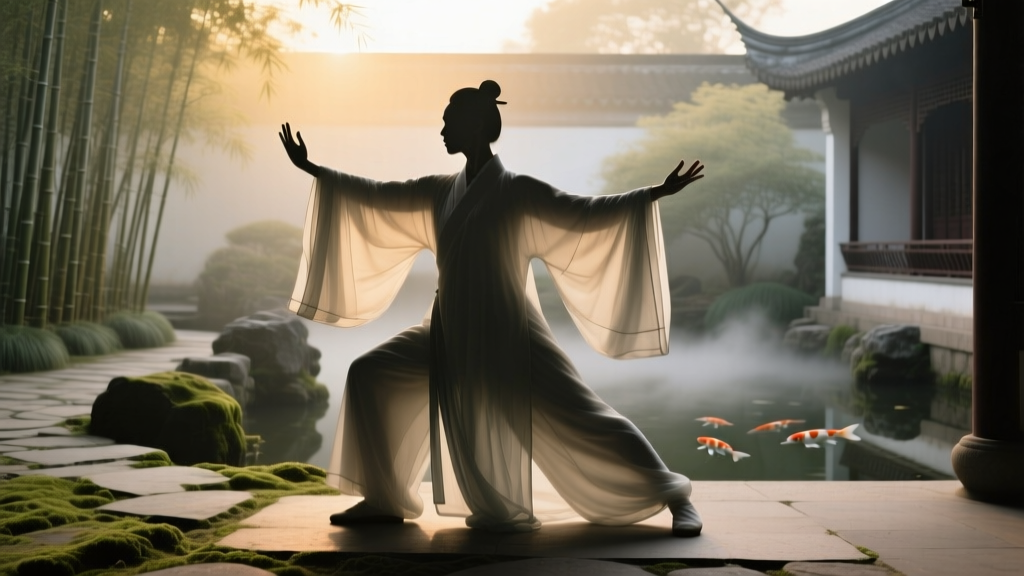
When newcomers begin exploring traditional Asian apparel, the search term hanfu costume is often their first entry point. However, to truly appreciate this magnificent sartorial tradition, it is essential to look beyond the Western concept of a 'costume.' Hanfu (汉服) translates literally to 'Han clothing,' referring to the historical dress of the Han Chinese people. Far from being a static relic or mere cosplay attire, Hanfu is the centerpiece of a vibrant, contemporary cultural renaissance known as the Hanfu Movement (Hanfu Yundong), which seeks to reclaim and integrate these garments into modern daily life.
Whether you are looking to attend a cultural festival, participate in a traditional tea ceremony, or simply incorporate historical elegance into your wardrobe, this beginner's guide will decode the anatomy, history, and purchasing realities of Han Chinese dress.
Beyond 'Costume': Understanding Hanfu as Living Heritage
For over three millennia, Hanfu evolved alongside Chinese philosophy, aesthetics, and social structures. Unlike modern Western fashion, which relies on tailoring, darts, and buttons to contour the body, traditional Hanfu is characterized by its flat-pattern cutting. Garments are constructed from geometric panels of fabric that drape naturally, creating a fluid silhouette that prioritizes grace and movement over rigid body shaping.
Today, institutions like the Victoria and Albert Museum's Asian textile archives and the China Silk Museum preserve surviving Ming and Qing dynasty textiles, offering invaluable insights into historical weaving techniques. Meanwhile, modern artisans and grassroots communities are reviving these techniques, transforming Hanfu from museum exhibits into living, breathing streetwear.
The Golden Rule: Jiaoling Youren and Structural Anatomy
If you take away only one rule from your introduction to Hanfu, let it be the concept of Jiaoling Youren (交领右衽), or the 'cross-collar, right lapel.' This structural hallmark is the defining visual identifier of traditional Han dress.
'The left lapel must always cross over and cover the right lapel. In traditional Confucian cosmology, the left represents life, the east, and the yang, while the right represents the west and the yin. Reversing this order (right over left) is strictly reserved for dressing the deceased for burial.'
Other core anatomical features include:
- No Buttons or Zippers: Traditional Hanfu relies entirely on fabric ties (ji) and sashes to secure the garment, allowing for adjustable, comfortable fits.
- Sleeve Variations: Sleeves range from the practical, narrow Xiuzhi (narrow sleeves) worn by laborers and scholars, to the dramatic Guangxiu (wide sleeves) favored by nobility and for formal ceremonies.
- Hidden Pockets: Wide sleeves often doubled as storage, while later dynastic variations incorporated hidden slit pockets near the waist seams.
Three Essential Silhouettes for Beginners
Hanfu is not a single monolith; it is a timeline of evolving dynastic styles. For beginners, understanding these three primary silhouettes will help you choose a style that flatters your body type and suits your intended occasion.
1. Tang Dynasty: Qixiong Ruqun (Chest-High Skirt)
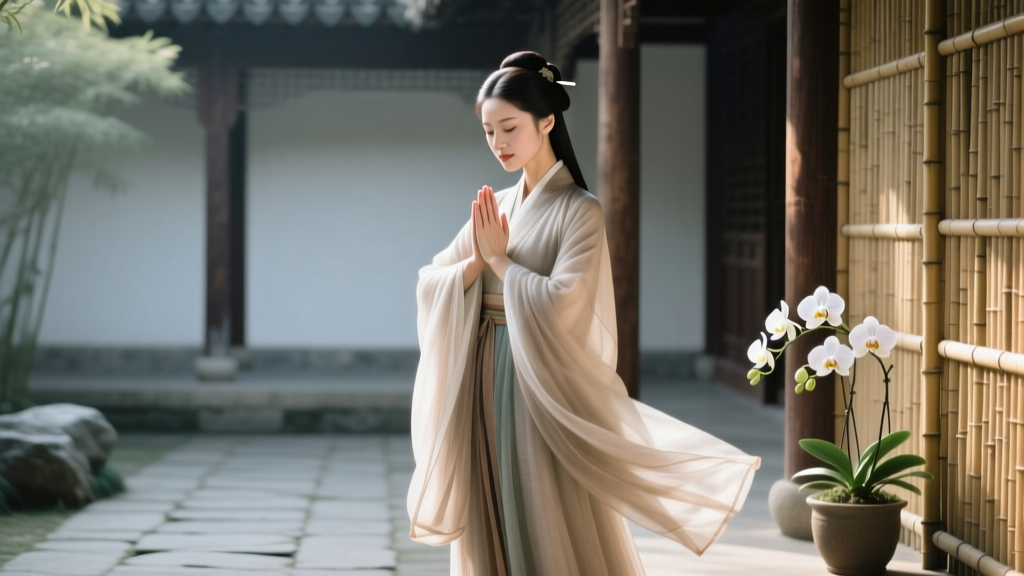
The Tang Dynasty (618–907 AD) was an era of cosmopolitan wealth and relaxed social mores. The Qixiong Ruqun features a skirt tied high up on the chest, just below the collarbone, paired with a short, lightweight upper garment. This silhouette elongates the lower body, creating a statuesque, romantic look that is highly popular for photography and summer festivals. Modern beginners often pair this with a Pibo (a long, flowing silk shawl draped over the arms).
2. Song Dynasty: Beizi and Minimalist Elegance
Reacting against Tang opulence, the Song Dynasty (960–1279 AD) favored intellectual restraint and subtle elegance. The quintessential Song outfit centers on the Beizi, a long, open-front coat with side slits and straight, narrow sleeves. It is typically worn open over a Moxiong (a tube-top-like undergarment) and a pleated skirt. This layered, vertical silhouette is incredibly forgiving, highly practical for modern layering, and exudes a quiet, scholarly sophistication.
3. Ming Dynasty: Aoqun and the Mamianqun
The Ming Dynasty (1368–1644 AD) introduced structured tailoring and standing collars. The Aoqun consists of an Ao (a lined, hip-length jacket with a standing collar and overlapping front panels) paired with a Qun (skirt). The undisputed star of the Ming silhouette is the Mamianqun, or 'Horse-face skirt.'
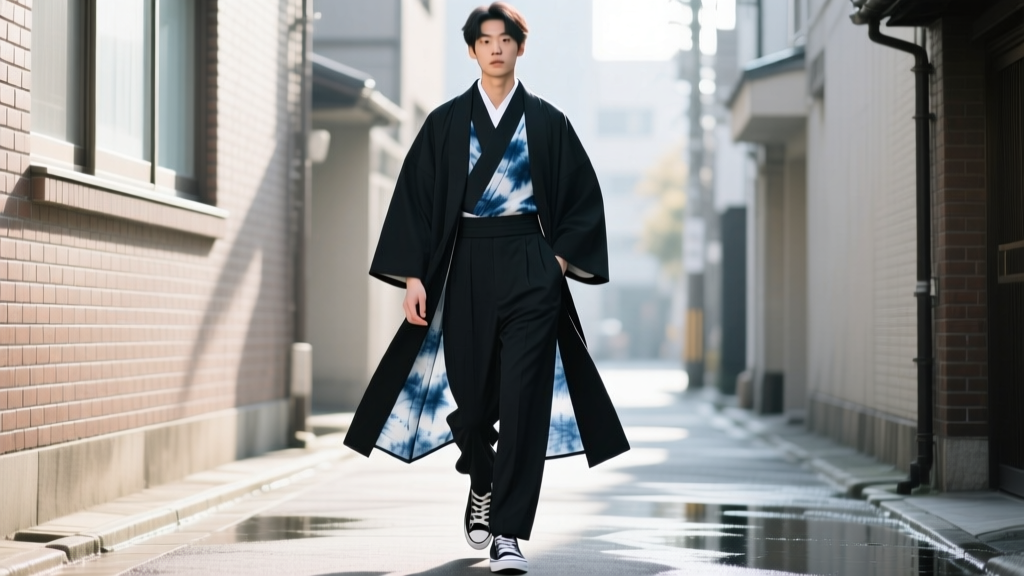
The Mamianqun is a marvel of structural engineering. It features two flat, unpleated panels in the front and back (the 'horse faces'), flanked by deeply pleated sides. This design allows for modesty when standing still, but expands beautifully to allow for walking, sitting, or even horseback riding. Today, the Mamianqun is frequently styled with modern knitwear or button-down shirts, bridging the gap between historical dress and contemporary office wear.
Sourcing Your First Hanfu: Price Tiers and Fabrics
Navigating the market for a 'hanfu costume' can be overwhelming. Mass-produced Halloween knockoffs often feature inaccurate collars, cheap synthetic fabrics, and incorrect closures. To invest in authentic, culturally respectful Hanfu, consult the following pricing and fabric guide.
| Tier | Typical Fabrics | Price Range (USD) | Best For |
|---|---|---|---|
| Entry-Level | Polyester jacquard, chiffon, basic cotton blends | $35 - $75 | First-time buyers, casual festivals, photo shoots |
| Mid-Tier | Rayon, Tencel, linen-cotton, matte chiffon | $80 - $220 | Daily wear, cultural events, comfortable summer styling |
| Artisan / High-End | Mulberry silk, Xiangyunsha (cantonal silk), hand-embroidery | $250 - $900+ | Formal ceremonies, weddings, historical reenactment |
Note: When purchasing authentic Hanfu from Chinese retailers, sizing is rarely based on S/M/L. You must know your chest circumference, waist, and desired skirt length in centimeters. Always consult the seller's specific measurement charts.
Styling, Etiquette, and Modern Wearability
Wearing Hanfu in the 21st century requires a blend of historical respect and modern practicality. Organizations like the Asia Society frequently highlight how traditional dress intersects with modern identity, emphasizing that cultural garments are meant to be lived in, not just observed.
To ensure your Hanfu looks authentic and feels comfortable, follow these practical styling protocols:
- Undergarments are Crucial: Hanfu fabrics, especially light summer silks and chiffons, can be sheer. Always wear a skin-toned camisole, tube top, or specialized Hanfu under-layer (zhongyi). For cross-collar tops, a low-cut V-neck undershirt ensures your modern undergarments do not break the historical neckline.
- Footwear Transitions: While traditional cloud-head shoes (yuntouxie) are beautiful, they are not mandatory for beginners. Clean, minimalist leather boots, Mary Janes, or even sleek white sneakers are widely accepted in the modern Hanfu community for daily wear.
- Hair and Accessories: Avoid cheap, plastic 'costume' hair sticks. Opt for carved wood, jade, or metal hairpins. If you do not wish to do a full historical updo, a simple half-up style secured with a minimalist metal cuff or velvet ribbon maintains the elegance without the complexity.
- Respect the Collar: Always double-check in a mirror that your left lapel is crossing over your right. This small detail signals to practitioners and historians that you respect the garment's cultural roots.
Final Thoughts on Your Hanfu Journey
Transitioning your search from a generic 'hanfu costume' to a genuine appreciation of Han Chinese dress opens a doorway into centuries of textile innovation, philosophical symbolism, and artistic expression. By understanding the structural rules of the cross-collar, appreciating the dynastic shifts in silhouette, and investing in quality fabrics, you do more than just wear a beautiful garment—you participate in the ongoing story of a living cultural heritage.