Chinese Clothing Types: Guide to Hanfu, Qipao & More

When exploring the rich tapestry of Asian sartorial heritage, understanding Chinese clothing types requires looking far beyond the stereotypical costumes seen in media. China’s fashion history spans over three millennia, reflecting profound shifts in philosophy, dynasty, trade, and social structure. Today, traditional garments are not merely museum relics; they are living, breathing elements of cultural identity experiencing a massive global revival.
For beginners, navigating the terminology and historical context of Chinese dress can feel overwhelming. This comprehensive guide breaks down the foundational Chinese clothing types, detailing their construction, cultural significance, and how to respectfully source and wear them today.
The Foundation: Understanding Hanfu (汉服)
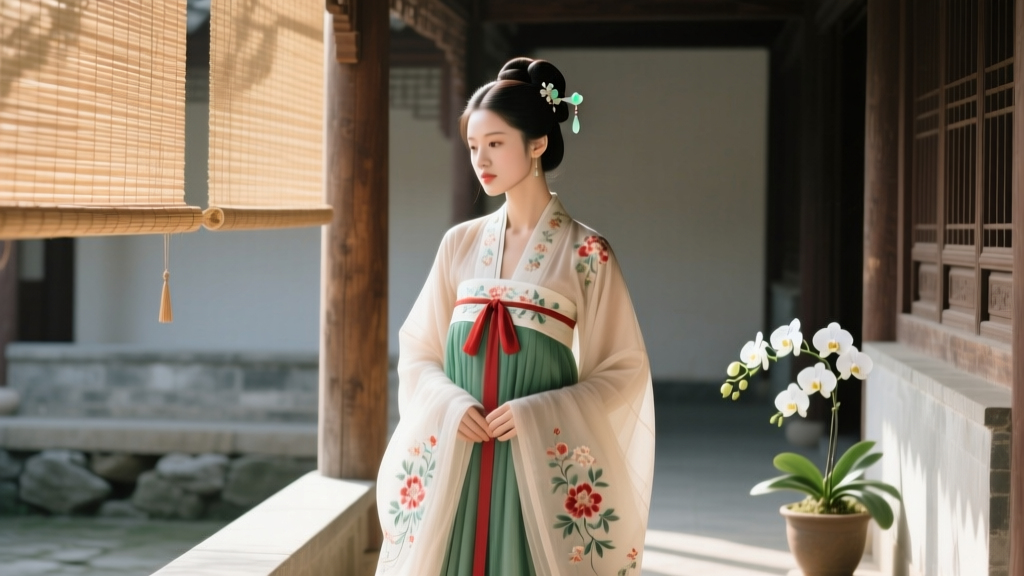
Hanfu, literally translating to 'Han clothing,' refers to the historical dress of the Han Chinese people. Worn for thousands of years until the Qing Dynasty (1644–1912), Hanfu is characterized by its flowing silhouettes, lack of buttons, and deep symbolic ties to Confucian and Daoist philosophies. The modern Hanfu Yundong (Hanfu Movement) has successfully reintroduced these garments into daily streetwear, festivals, and ceremonies.
Key Construction and Silhouettes
Unlike Western tailoring, which cuts fabric to fit the body's contours, traditional Hanfu is constructed from geometric panels of fabric, prioritizing drape and movement. The most critical rule of Hanfu construction is jiaoling youren (intersecting collars, right lapel over left). The left side of the garment must always cross over the right. Reversing this (left-over-right) is strictly reserved for dressing the deceased and is considered highly inauspicious for the living.
- Ruqun (襦裙): A blouse (ru) paired with a wrap-around skirt (qun). The skirt is often tied high, sometimes above the bust, particularly in the Tang Dynasty style.
- Shenyi (深衣): A one-piece, full-body robe that connects the upper and lower garments, symbolizing the unity of heaven and humanity.
- Aoqun (袄裙): Popular during the Ming Dynasty, this consists of a lined, heavier jacket worn over a pleated skirt, often featuring the iconic 'horse-face' (mamianqun) pleating.
The Evolution of the Qipao (旗袍) and Cheongsam
While Hanfu represents ancient antiquity, the Qipao (known in Cantonese as Cheongsam) is the emblem of 20th-century Chinese modernity. Originating from the loose, boxy changpao worn by Manchu nobility during the Qing Dynasty, the Qipao was radically reimagined in 1920s Shanghai.
From Manchu Robes to Modern Tailoring
Shanghai socialites and tailors fused traditional Chinese motifs with Western 3D darting and tailoring techniques. The result was a form-fitting, knee-length dress that celebrated the female silhouette. According to archival textile research from The Metropolitan Museum of Art, the 1930s Qipao became a canvas for Art Deco influences, featuring geometric textile prints and daringly high side slits.
Anatomy of a Qipao
When evaluating a high-quality Qipao, look for these traditional construction markers:
- Mandarin Collar (Yuanling): A stiff, standing collar that frames the face and elongates the neck.
- Pankou (Frog Buttons): Hand-knotted silk buttons. A bespoke Qipao will feature intricate, custom-tied Pankou motifs like plum blossoms or swallows, rather than mass-produced plastic clasps.
- Kaiqi (Side Slits): Functional slits on one or both sides of the skirt to allow for movement, historically layered over matching silk trousers.
Regional & Ethnic Variations Beyond the Han Majority
China is home to 56 officially recognized ethnic groups, and limiting 'Chinese clothing types' to Hanfu and Qipao ignores a vast wealth of indigenous textile traditions. Institutions like the China National Silk Museum in Hangzhou actively preserve these diverse regional techniques.
Miao Silver and Batik
The Miao (Hmong) people of Guizhou and Yunnan provinces are world-renowned for their indigo batik (lajiao) and staggering silver jewelry. A traditional Miao festival skirt can feature hundreds of tiny, hand-pleated panels and weigh over 15 kilograms due to the embroidered layers and heavy silver horn headdresses worn alongside it.
Uyghur Atlas Silk
In Xinjiang, the Uyghur people weave Atlas silk, a vibrant, ikat-dyed fabric characterized by bold, blurred geometric patterns in neon yellows, greens, and reds. Atlas silk is traditionally tailored into flowing dresses and long coats, reflecting the region's historical position on the Silk Road.
Comparative Guide: Chinese Clothing Types at a Glance
| Garment Type | Primary Era / Origin | Defining Features | Best Suited For | Avg. Entry Price (USD) |
|---|---|---|---|---|
| Hanfu (Ruqun) | Han to Ming Dynasties | Cross-collar, wide sleeves, sash ties | Festivals, tea ceremonies, daily wear | $50 - $120 |
| Mamianqun | Ming Dynasty | Horse-face pleated wrap skirt | Formal events, modern office styling | $60 - $180 |
| Qipao / Cheongsam | 1920s Shanghai | Form-fitting, Pankou buttons, side slits | Weddings, galas, formal dinners | $150 - $800+ |
| Tang Suit (Tangzhuang) | Late Qing / Modern | Manchu-style jacket with western shoulders | Lunar New Year, political summits | $40 - $100 |
A Beginner’s Buying Guide: Fabrics, Fit, and Pricing
Sourcing authentic Chinese garments requires an understanding of fabric composition and regional manufacturing hubs. The market is flooded with cheap, synthetic 'costumes' that misrepresent the culture. Here is how to invest in genuine pieces.
Fabric Composition: Silk vs. Synthetics
Authentic Hanfu and Qipao rely heavily on natural fibers. Look for Xiangyunsha (mud silk), a premium, breathable fabric from Guangdong dyed with yam juice and river mud, which retails for $100+ per yard. For everyday Hanfu, high-quality cotton-linen blends or bamboo silk offer excellent drape and breathability. Avoid shiny, unlined polyester satins, which trap heat and lack historical accuracy.
Where to Source Authentic Pieces
For beginners outside of Asia, specialized online retailers and Taobao agents are your best resources. Brands like Shisanyu and Zhongling offer historically informed Hanfu with international shipping. For a bespoke Qipao, the Peabody Essex Museum notes that Shanghai and Hong Kong remain the global capitals for master tailors who still practice traditional hand-finishing techniques, with custom garments starting around $500 and reaching upwards of $3,000 for heirloom embroidery.
Cultural Protocols and Wearing Etiquette
Wearing traditional Chinese clothing is a beautiful way to engage with the culture, but it must be done with respect and contextual awareness.
The Golden Rule of the Collar: Always ensure your Hanfu crosses left-over-right. If you are wearing a Qipao to a somber event or funeral, avoid vibrant reds and opt for muted tones, as red is strictly associated with joy, luck, and weddings in Chinese culture.
Furthermore, understand that the Hanfu movement is driven by young Chinese people reclaiming their heritage. When wearing these garments, engage with the history. Know the dynasty your Hanfu represents, or the story behind the embroidery on your Qipao. By treating these Chinese clothing types as respected cultural artifacts rather than mere costumes, you participate in the global appreciation of one of the world's oldest and most dynamic sartorial traditions.