The Blue Qipao Dress: A Beginner's Guide to Styling & Buying in 2026
The Cultural Resonance of Blue in Chinese Sartorial History
For the first-time buyer, selecting a traditional garment can feel daunting. However, the blue qipao dress offers an unparalleled entry point into the world of Chinese heritage fashion. In Western fashion, blue is often categorized simply as a primary color, but in Chinese cultural history, the spectrum of blue—encompassing lán (蓝) and qīng (青)—carries profound philosophical weight. Associated with the Wood element, the season of spring, healing, and immortality, blue represents growth and harmony.
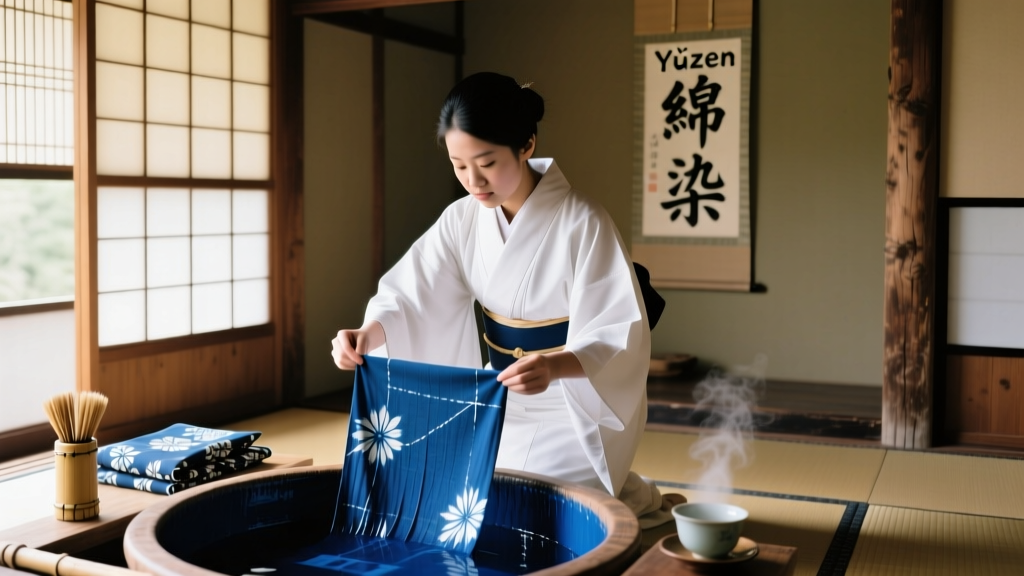
Historically, while imperial courts favored vibrant yellows and crimson reds, blue was the color of the scholar, the artisan, and the everyday citizen. The deep indigo dyes derived from the ban lan gen (Isatis root) plant were prized in southern regions like Guizhou and Yunnan for their durability and insect-repellent properties. Today, choosing a blue cheongsam (the Cantonese term for qipao) is not just a sartorial decision; it is an embrace of a color that signifies quiet elegance, intellect, and resilience. According to the Victoria and Albert Museum's comprehensive guide on the cheongsam, the garment's evolution from a modest, loose-fitting Manchu robe to the iconic silhouette of the 1920s Shanghai socialite is one of the most fascinating transitions in global fashion history.
Anatomy of the Qipao: What Every Beginner Must Know
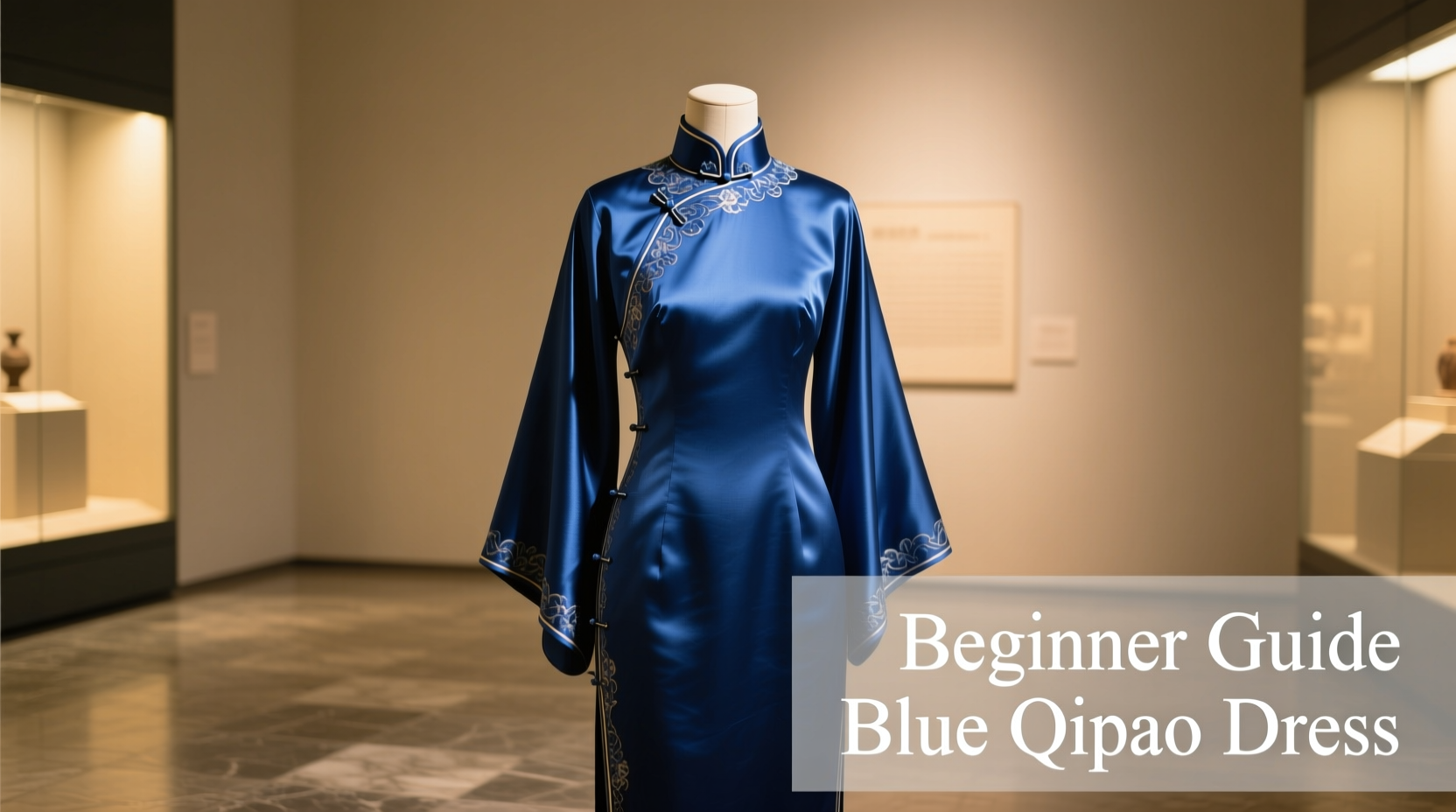
Before purchasing your first blue qipao dress, it is essential to understand the structural elements that define the garment. A true qipao is not merely a tight sheath dress; it is an architectural feat of textile engineering.
The Lilin (Mandarin Collar) and Pankou (Fasteners)
The lilin (立领) is the stiff, standing collar that frames the face. For beginners, a collar height of 3 to 4 centimeters is ideal; anything higher can restrict neck movement and cause discomfort. The collar is secured by pankou (盘扣), intricate knotted frog fasteners. In a high-quality blue qipao, these knots are hand-rolled from the same silk or cotton as the dress, serving as both a functional closure and a structural anchor to prevent the bias-cut fabric from warping.
The Kaicha (Side Slits) and Bias Cut
The modern qipao relies on a Western-influenced bias cut introduced in the 1930s, allowing the fabric to drape fluidly over the body's natural curves. The kaicha (开衩), or side slits, were originally integrated into the loose chenyi of the Qing Dynasty to allow for ease of movement while riding horses. In contemporary designs, the slit typically begins just above the knee, balancing mobility with modesty.
Choosing Your Blue: A Shade and Fabric Matrix
The market in 2026 offers an overwhelming array of options. To make an informed decision, cross-reference your intended occasion with the appropriate fabric and shade. Below is a practical matrix for beginners.
| Shade of Blue | Ideal Fabric | Best Occasion | Estimated Price Range (USD) |
|---|---|---|---|
| Deep Indigo | Hand-dyed Ramie or Linen | Daywear, casual outings, summer travel | $60 - $140 |
| Navy / Midnight | Silk Brocade (Zhuanghua) | Formal evening events, winter galas | $180 - $450+ |
| Cerulean / Sky | Mulberry Silk Crepe | Spring weddings, garden parties, tea ceremonies | $150 - $350 |
| Porcelain (White motifs) | Cotton-Silk Blend | Brunch, cultural festivals, museum visits | $90 - $200 |
Expert Tip: If you are buying your first piece, a Porcelain blue cotton-silk blend offers the most forgiving fit and easiest maintenance, as pure silk brocade requires specialized dry cleaning and careful storage.
The Mathematics of the Fit: Navigating Measurements
The most common mistake beginners make when buying a blue qipao dress online is misunderstanding 'wearing ease.' Unlike Western wrap dresses or stretchy bodycon gowns, a traditional qipao is tailored with minimal ease to maintain its sleek, unbroken lines.
- Bust: Add exactly 1.5 to 2 inches (4-5 cm) to your actual bust measurement. Too tight, and the pankou will pull; too loose, and the fabric will pool under the arms.
- Waist: Add 1 inch (2.5 cm). The waist of a qipao sits slightly higher than the natural waistline, creating an elongated leg illusion.
- Hips: Add 1.5 to 2 inches (4-5 cm). The bias cut must glide over the hips without stretching the silk fibers, which can cause permanent distortion.
For those investing in bespoke tailoring—a highly recommended route for serious enthusiasts—expect a consultation process that involves up to 15 distinct measurements, including the slope of the shoulders and the circumference of the upper arm. The Metropolitan Museum of Art's archives on Qing Dynasty textiles highlight how historical garments were meticulously constructed to honor both the fabric's integrity and the wearer's posture, a philosophy that modern bespoke qipao tailors strictly maintain.
Modern Styling Protocols for the First-Time Wearer
Styling a blue qipao dress requires a 'less is more' approach. The garment itself is a statement of intricate craftsmanship; over-accessorizing will clutter the visual harmony.
Footwear and Hosiery
While the mid-century Shanghai calendar girls popularized the qipao with high stiletto heels, modern styling in 2026 embraces versatility. For a deep indigo linen qipao, pair it with flat leather Mary Janes or even minimalist white sneakers for a contemporary streetwear look. For formal navy brocade, a classic 2-inch closed-toe pump in black or metallic silver is ideal. Avoid open-toed shoes for formal cultural events, as they are traditionally considered too casual.
Jewelry and Outerwear
Blue serves as a magnificent canvas for specific metals and stones.
The Golden Rule of Qipao Jewelry: Match the stone to the shade. Porcelain and sky blues pair beautifully with white pearls and silver filigree. Deep navy and indigo demand the warmth of antique gold, amber, or translucent Hetian jade.
In cooler months, layer your blue qipao with a tailored, hip-length wool capelet or a structured mandarin-collar blazer. Avoid bulky, oversized knitwear, which will crush the delicate lilin collar and ruin the silhouette's clean lines.
Where to Source Authentic and Contemporary Pieces
The democratization of global e-commerce means you can purchase a blue qipao dress from almost anywhere, but quality varies wildly. Fast-fashion replicas often use synthetic polyester blends that trap heat and feature machine-stamped, non-functional pankou (often hiding a zipper underneath, which purists consider a sartorial faux pas).
For authentic ready-to-wear pieces, look for established heritage brands based in Shanghai, Hangzhou, or Hong Kong that specialize in xiangyunsha (mud silk) or traditional Song brocade. For the eco-conscious beginner, seek out artisan cooperatives in Guizhou province that specialize in batik (蜡染) and indigo dyeing. These cooperatives not only provide a uniquely textured blue qipao but also support the preservation of indigenous Miao and Dong textile traditions.
Ultimately, your first blue qipao dress is more than a garment; it is a wearable piece of living history. By understanding its cultural roots, respecting its structural anatomy, and choosing a shade that resonates with your personal narrative, you step into a tradition that has captivated the world for over a century.