Womens Hanfu Guide 2026: Styles & Sizing
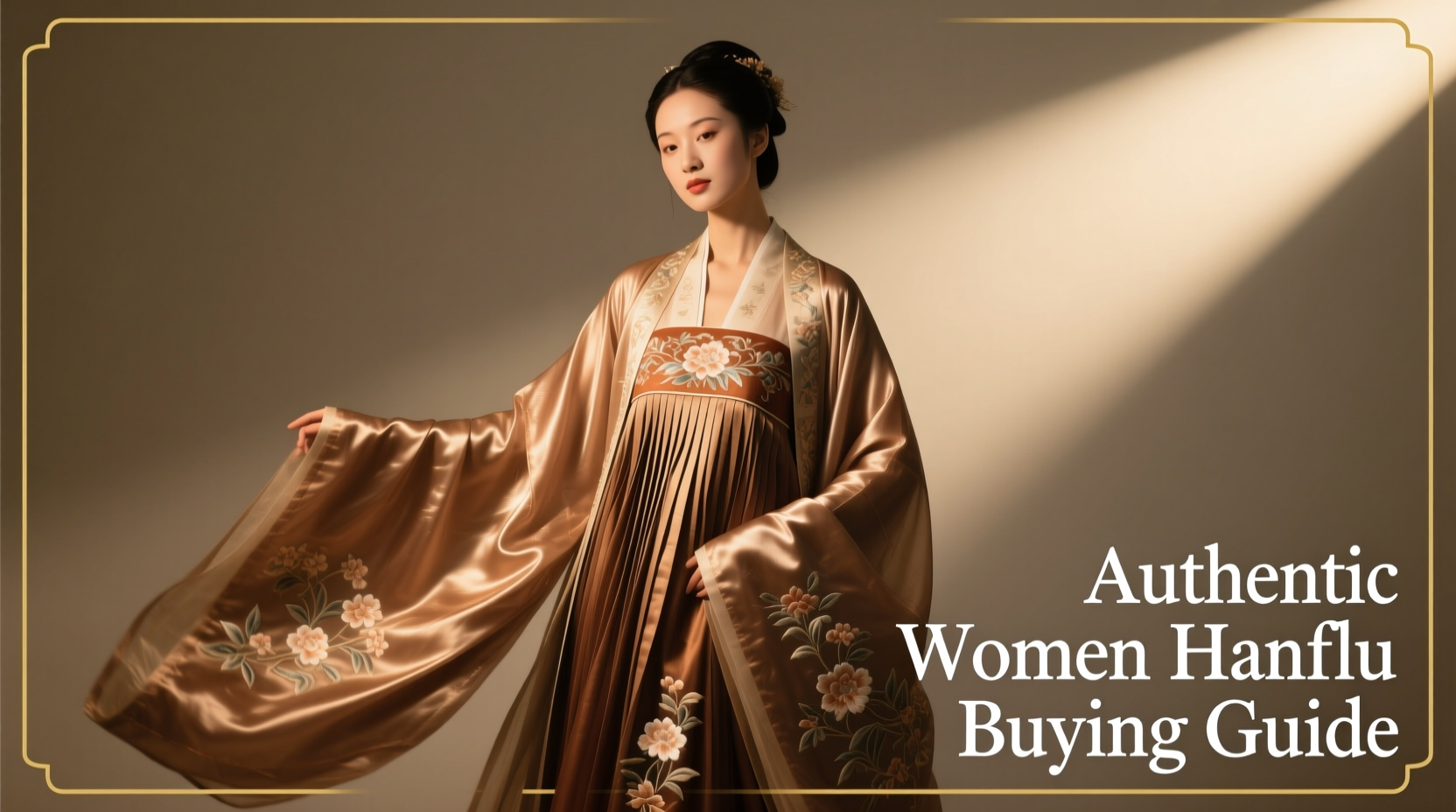
The global resurgence of traditional Chinese attire, driven by the Hanfu Yundong (Hanfu Movement), has transformed women hanfu from a niche historical interest into a vibrant, living sartorial tradition. For international enthusiasts, cultural historians, and diaspora communities, navigating the market in 2026 requires more than just an eye for aesthetics; it demands an understanding of historical silhouettes, textile heritage, and traditional sizing matrices. This comprehensive buying guide cuts through the noise of mass-produced 'costumes' to help you source, size, and wear authentic women hanfu with cultural respect and historical accuracy.
The Anatomy of Authentic Women Hanfu: Core Silhouettes
Unlike Western fashion, which often relies on tailoring to the body's curves, traditional Han garments are constructed from flat pieces of woven fabric that drape and fold, creating an elegant, flowing silhouette. When shopping for women hanfu, you will primarily encounter three historical categories, each rooted in specific dynastic aesthetics.
Ruqun (襦裙): The Blouse and Skirt Ensemble
The Ruqun is arguably the most recognizable silhouette, spanning multiple dynasties but peaking in variations during the Tang (618–907 CE) and Song (960–1279 CE) periods. It consists of a ru (upper blouse or jacket) and a qun (wrap-around skirt).
- Tang-Style Qixiong Ruqun: The skirt is tied high, just above the bust, often paired with a wide-sleeved blouse and a draped pibo (silk shawl). This style offers a romantic, voluminous look.
- Song-Style Ruqun: Characterized by a more slender, understated elegance. The blouse is often worn over the skirt, paired with a beizi (a long, straight-collar open jacket with side slits).
Aoqun (袄裙): The Jacket and Skirt Combination
Dominating the Ming Dynasty (1368–1644 CE), the Aoqun features a heavier, lined jacket (ao) worn over a skirt. The sleeves are often voluminous, and the collars can be round, standing, or square. This style is highly structured and provides excellent warmth, making it a popular choice for autumn and winter hanfu.
Mamianqun (马面裙): The Horse-Face Skirt
The Mamianqun
The Mamianqun is a marvel of traditional Chinese garment engineering. According to the Victoria and Albert Museum's textile archives, these skirts are constructed from two overlapping panels of fabric featuring flat, unpleated front and back sections (the 'horse faces') and heavily pleated sides. Historically, the flat panels were heavily embroidered with lan (decorative borders) featuring auspicious motifs, while the pleats allowed for ease of movement. Today, the Mamianqun is frequently paired with modern blouses or traditional Ming jackets, bridging the gap between historical dress and contemporary wardrobes.
Textile Heritage: Decoding Fabrics, Weaves, and Price Tiers
The price of authentic women hanfu is intrinsically linked to its textile composition and weaving technique. The Metropolitan Museum of Art's Heilbrunn Timeline of Art History highlights the profound historical significance of Chinese silk weaving, a legacy that modern Hanfu artisans continue to uphold. Understanding these fabrics will help you evaluate pricing and authenticity.
Price Tier 1: Entry-Level & Daily Wear ($40 – $90 USD)
At this tier, garments are typically crafted from high-quality polyester blends, cotton-linen mixes, or chiffon. While not historically accurate in material, these fabrics are durable, machine-washable, and ideal for beginners or summer festivals. Look for brands that use digital printing to replicate traditional brocade patterns.
Price Tier 2: Mid-Tier & Silk Blends ($120 – $280 USD)
Here, you will find garments utilizing Tian Si (natural mulberry silk) blends, rayon, and lightweight Luo (gauze). Embroidery transitions from digital printing to machine-assisted chain stitching. This tier is the sweet spot for serious enthusiasts seeking historical drape and breathability without the exorbitant cost of pure heritage silks.
Price Tier 3: Haute Artisan & Heritage Weaves ($400 – $1,500+ USD)
The pinnacle of Hanfu shopping involves heritage textiles.
- Zhuanghua (Brocade): Heavy, intricately pattern-woven silk, often utilizing real gold or silver threads.
- Xiangyunsha (Gambiered Guangdong Silk): A highly prized, intangible cultural heritage fabric. It is dyed with the juice of the薯莨 (Dioscorea cirrhosa) yam and coated with river mud, resulting in a dark, crackled, water-resistant silk that sounds like paper when moved. Garments made from authentic Xiangyunsha are investment pieces.
- Hand-Embroidered Panjin: Gold-thread couching embroidery done entirely by hand, often taking hundreds of hours per garment.
The Flat-Lay Matrix: Navigating Traditional Chinese Sizing
One of the most common pitfalls for international buyers is attempting to map Western body-conforming sizes (S, M, L) to Hanfu. Traditional Chinese garments are measured by their flat-lay dimensions. Because the garments wrap and tie, the bust measurement is forgiving, but shoulder width, sleeve length, and skirt length are critical.
| Measurement Term | Pinyin | How to Measure (Flat Lay) | Fit & Drape Notes |
|---|---|---|---|
| Shoulder Width | Jiankuan (肩宽) | Straight across the back from shoulder seam to seam. | Drop-shoulder styles will have a much wider jiankuan than your actual body measurement. |
| Bust | Xiongwei (胸围) | Straight across the front, under the armpits, multiplied by 2. | Wrap styles require at least 10-15cm of overlap. Ensure the flat measurement exceeds your body bust by 15cm. |
| Waist | Yaowei (腰围) | Measured flat across the waistband of the skirt or pants. | Mamianqun skirts rely on precise waist measurements to ensure the flat 'horse faces' sit perfectly on the front and back. |
| Sleeve Length | Xiuchang (袖长) | From the center back collar, over the shoulder, to the sleeve cuff. | Traditional Da Xiu (large sleeves) often extend past the fingertips to cover the hands, a mark of historical nobility. |
| Skirt Length | Qunchang (裙长) | From the top of the waistband to the bottom hem. | Measure from your natural waist to your ankle bone. Most traditional skirts are designed to graze the top of the foot. |
Curated 2026 Directory: Sourcing Authentic Hanfu Globally
Finding authentic women hanfu outside of mainland China requires knowing which brands prioritize historical research over fast-fashion aesthetics. Here is a curated directory of trusted sources and brands for 2026.
The Gold Standard: Ming Hua Tang (明华堂)
Widely considered the pinnacle of Ming Dynasty historical accuracy, Ming Hua Tang operates more like a couture house than a retail brand. They weave their own brocades using traditional looms and base their patterns on extant museum artifacts. Price Range: $800 - $3,000+. Note: They operate on a made-to-order basis, with wait times often exceeding six months. They have an official English-facing website for international shipping.
Accessible Elegance: Zhong Ling (钟灵记) & Ting Yue
For those seeking a balance of historical accuracy, beautiful embroidery, and accessible pricing, Zhong Ling is a premier Taobao brand. They excel in Song Dynasty minimalism and Ming Dynasty Aoqun. Their color palettes are historically grounded, avoiding the neon hues of mass-market costumes. Price Range: $80 - $200.
Fantasy & Tang Romance: Shisan Yu (十三余)
While taking more creative liberties with historical accuracy, Shisan Yu is incredibly popular for its Tang Dynasty-inspired Qixiong Ruqun and elaborate, storytelling-driven collections (often collaborating with Chinese historical dramas). They are an excellent entry point for beginners. Price Range: $50 - $120.
Navigating Taobao and Proxy Agents
The vast majority of authentic Hanfu brands operate exclusively on Taobao or Tmall. International buyers must use shopping proxies (agents) like Superbuy or CSSBuy.
- Create an account with a proxy agent.
- Paste the Taobao product URL into the agent's search bar.
- The agent purchases the item, receives it at their Chinese warehouse, and provides QC (Quality Control) photos.
- You select your international shipping method (DHL, EMS, or specialized postal lines for clothing).
Cultural Protocols: The Rules of Wearing and Wrapping
Wearing Hanfu is an act of cultural participation, and adhering to traditional protocols is a sign of respect. The most critical rule in Hanfu construction and wearing is the concept of Jiaoling Youren (交领右衽).
The Golden Rule of the Lapel: The left side of the collar must always cross over and wrap to the right side of the body. This 'y' shaped collar forms the foundational silhouette of Han civilization. The reverse—wrapping the right lapel over the left (Youzuo)—is strictly reserved for dressing the deceased in traditional funerary rites. Wearing it reversed is considered highly inauspicious and culturally offensive.
Additionally, when tying the skirts of a Mamianqun, ensure the ties are secured firmly at the natural waist, and the flat panels remain perfectly centered on your front and back. The pleats should fan out naturally from the hips. When sitting, it is traditional to gently gather the skirt fabric to the side to avoid crushing the intricate pleats or sitting directly on heavy brocade embroidery.
By understanding the rich textile history, mastering the flat-lay sizing matrix, and sourcing from dedicated artisan brands, you can build a women hanfu wardrobe that honors the profound legacy of Chinese sartorial culture. Whether you are draping a lightweight Song Dynasty beizi for a summer garden or donning a heavy Ming Dynasty Mamianqun for a winter celebration, authentic Hanfu offers a timeless connection to the past.