Aoqun Hanfu Event Guide: Styling Ming Dynasty Dress

The Anatomy of Aoqun: Beyond the Basic Silhouette
When discussing traditional Chinese clothing, the term aoqun hanfu (袄裙) refers specifically to a two-piece ensemble consisting of an ao (袄 - a lined or padded jacket) and a qun (裙 - skirt). While popular media often conflates all Hanfu into a single aesthetic, the aoqun represents a distinct sartorial evolution that peaked during the Ming Dynasty (1368–1644). Unlike the lightweight, unlined shan (衫) worn in summer, the ao is structurally defined by its lining, providing warmth, architectural drape, and a dignified silhouette that has made it a cornerstone of the modern Hanfu revival.
The jacket typically features a jiaoling youren (crossed collar, right lapel) or a yuanling (round collar) with side slits (kaicha) that allow the garment to fall cleanly over the skirt. The sleeves often utilize the iconic pipa xiu (pipa sleeve), which is narrow at the wrist and wide at the armhole, echoing the shape of the traditional Chinese lute. The skirt, most famously the mamianqun (horse-face skirt), is an engineering marvel of traditional tailoring, featuring flat, unpleated panels at the front and back, with densely pleated sides that fan out elegantly during movement.
Curating Your Calendar: Matching Aoqun to the Occasion
Because of its structured nature and heavier textiles, aoqun hanfu is inherently suited for specific climates and formal settings. Understanding when to deploy this garment ensures you respect both the historical context and the practical demands of your event.
Formal Ceremonies and Traditional Weddings
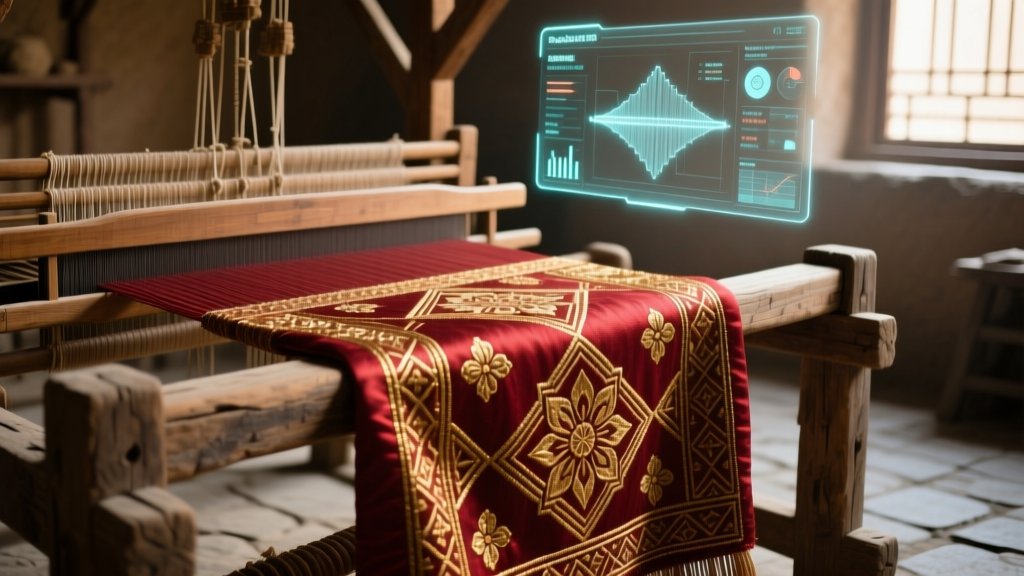
For weddings, coming-of-age ceremonies (guanli and jili), or formal banquets, the aoqun is the gold standard of Ming-style formality. Brides often opt for a red ao woven with gold zhuanghua (brocade) featuring phoenix or peony motifs, paired with a heavily pleated mamianqun. The structured collar and substantial fabric convey a sense of gravity and respect for the ritual. When attending as a guest, opt for deep jewel tones—sapphire, emerald, or plum—avoiding the bridal red and pure white (which is traditionally associated with mourning).
Winter Solstice and Lunar New Year Festivities
The aoqun shines brightest in autumn and winter. During the Lunar New Year or Winter Solstice gatherings, a padded mian ao (cotton-padded jacket) worn over a wool-blend mamianqun provides genuine thermal protection without sacrificing cultural authenticity. The layering potential of the aoqun allows wearers to add a bijia (sleeveless vest) or a yunjian (cloud shoulder) for added insulation and visual complexity, making it ideal for outdoor temple fairs and lantern festivals.
Intimate Tea Ceremonies and Cultural Exhibitions
For quieter, indoor events such as tea ceremonies, museum galas, or academic symposiums, a lighter lined jia ao is appropriate. Choose subdued damask silks with subtle woven patterns (anhua). The muted elegance of a pale celadon or slate-grey aoqun projects scholarly refinement, aligning perfectly with the intellectual and artistic pursuits of the Ming literati.
Textile Engineering: Fabrics, Linings, and Drape
The distinction of the aoqun lies in its textile engineering. According to archival research from the China National Silk Museum, Ming Dynasty weavers mastered complex brocade techniques that allowed for heavy, durable outer fabrics that still maintained a fluid drape. Modern aoqun hanfu relies on several key fabrics:
- Zhuanghua (Brocade): A heavy, richly patterned silk woven with metallic threads. Best for weddings and high-formal winter events.
- Zhiduo (Woven Gold/Silver): Features metallic threads integrated into the warp and weft, catching the light beautifully in indoor, candlelit, or flash-photography settings.
- Tiexiu (Embroidered Silk): Often used for the flat panels of the mamianqun, featuring intricate hand or machine embroidery of auspicious motifs.
- Modern Blends: High-quality polyester-viscose blends are frequently used in entry-level mamianqun to provide heavy pleat retention and wrinkle resistance, which is crucial for all-day event wear.
'The structural integrity of the Ming Dynasty ao relies heavily on the inner lining. A poorly lined modern reproduction will collapse at the shoulders, whereas a properly tailored silk or cotton lining provides the necessary tension to keep the crossed collar lying flat against the clavicle.' — Curatorial notes on Ming textile preservation, The Metropolitan Museum of Art.
Sourcing Authentic Aoqun: Market Tiers and Artisans
Navigating the Hanfu market requires an understanding of pricing, fabric authenticity, and brand reputation. Below is a structured guide to sourcing aoqun hanfu for your wardrobe.
| Market Tier | Brand Examples | Fabric & Construction Details | Price Range (USD) | Best Occasion |
|---|---|---|---|---|
| Entry-Level | Various Taobao/Amazon Sellers | Polyester blends, machine embroidery, glued linings. Pleats may require ironing. | $60 - $120 | Casual festivals, photoshoots, first-time buyers. |
| Mid-Tier | Shisan Yu, Zhongling | Silk-cotton blends, accurate pipa sleeves, heat-set mamianqun pleats, proper inner linings. | $150 - $350 | Cultural events, holiday gatherings, formal dinners. |
| High-End / Artisan | Ming Huatang, Xunjin | Authentic silk brocade, hand-woven metallic threads, historical pattern replication, custom tailoring. | $500 - $1,500+ | Traditional weddings, heirloom collecting, museum galas. |
Cultural Protocols and Wearing Etiquette
Wearing aoqun hanfu is not merely a fashion choice; it is an engagement with living cultural heritage. To wear the garment respectfully and correctly, adhere to the following protocols:
The Rule of the Lapel
The most critical rule in Hanfu is jiaoling youren—the left side of the collar must always cross over the right side, securing on the wearer's right side. Reversing this (zuoren) is strictly reserved for dressing the deceased in traditional Chinese funerary rites. Always double-check your collar before stepping out for an event.
The Huling (Collar Protector)
Historically, a detachable white collar called a huling was sewn or pinned to the inside of the ao's neckline. This protected the expensive silk brocade from sweat and skin oils, and provided a sharp, contrasting white line that frames the face. Many high-end modern aoqun sets include a huling; wearing it elevates the historical accuracy and visual crispness of your outfit.
Managing the Mamianqun
The horse-face skirt is secured with long ties rather than zippers or buttons. When dressing, ensure the flat front panel is perfectly centered. The ties should be wrapped securely around the waist and tied in a discreet knot or a traditional decorative knot at the side. Because the skirt is heavy, ensure your ties are pulled taut to prevent the skirt from sagging or shifting during long events. Pair your aoqun with traditional cloud-toe shoes (yunjian xie) or modern, modest leather flats to maintain the hemline's elegant sweep just above the ground.
Final Thoughts on the Aoqun Revival
The aoqun hanfu is a testament to the architectural brilliance of Ming Dynasty tailoring. By understanding its construction, respecting its seasonal weight, and matching it to the appropriate occasion, modern wearers can bridge a 600-year gap, bringing the dignity and grace of historical Chinese dress into contemporary life. Whether you are attending a winter wedding or a quiet tea gathering, the aoqun offers a profound, wearable connection to Asian textile history.