Ancient Chinese Female Clothing: Silk & Craft

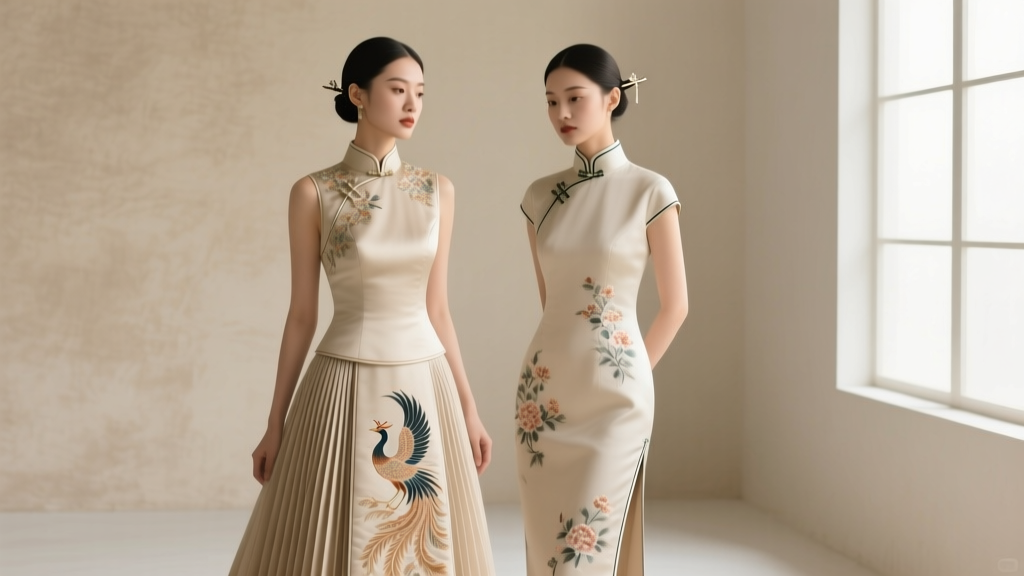
The global resurgence of interest in Hanfu (traditional Han Chinese clothing) has brought the intricate artistry of historical dress into the modern spotlight. However, when studying ancient chinese clothing female garments, historians, conservators, and serious collectors look first at the warp and weft. The true genius of these garments lies not merely in their silhouettes, but in the profound textile engineering and artisanal craftsmanship that gave them life. From the breathable gauzes of the Song dynasty to the structured, heavy satins of the Ming, the fabric itself dictated the drape, movement, and cultural meaning of the garment.
The Foundation: Decoding Historical Silk Varieties
Ancient Chinese textile artisans categorized silk into distinct structural families, each serving a specific climatic and social function. Understanding these varieties is essential for anyone looking to authenticate or commission high-quality historical replicas.
- Luo (罗 - Gauze/Leno Weave): Characterized by its open, breathable structure created through a complex twisting of warp threads. Luo was the premier fabric for summer Ruqun (top and skirt ensembles) during the Tang and Song dynasties. Its semi-transparent quality allowed for elegant layering, a hallmark of elite female dress.
- Juan (绢 - Tabby Silk): A plain, tightly woven silk that served as the foundational canvas for painting and heavy embroidery. It was widely used for undergarments, lining, and structural elements of the Shenyi (deep robe).
- Ling (绫 - Twill): Featuring a diagonal rib pattern, Ling offered a beautiful luster and softer drape than tabby silk, frequently used for outer jackets and ceremonial sashes.
- Duan (缎 - Satin): Developed later and reaching its zenith in the Ming and Qing dynasties, satin weaves feature long floating threads that create a highly reflective, smooth surface. Heavy Duan was essential for the structured, voluminous Aoqun (jacket and skirt) worn by Ming dynasty women.
Weaving the Heavens: Kesi and Zhuanghua Techniques
The pinnacle of ancient Chinese weaving is found in two highly specialized techniques that transformed silk from a mere textile into a canvas of imperial and aristocratic expression.
Kesi (刻丝 - Cut Silk)
Often translated as 'cut silk,' Kesi is a weft-faced tapestry weave. Unlike continuous weft weaving, the artisan uses small, individual bobbins of colored silk to weave only the specific areas of the pattern required, leaving tiny slits (or 'cuts') at the edges of the color blocks. According to the Metropolitan Museum of Art's Heilbrunn Timeline, this technique allowed for incredibly detailed, painterly reproductions of landscapes, flora, and fauna. A single female artisan might spend a year weaving a single Kesi jacket panel, giving rise to the ancient proverb: 'One inch of Kesi, one ounce of gold.'
Zhuanghua (妆花 - Brocade)
Originating in Nanjing, Zhuanghua is a complex brocade technique where supplementary weft threads—often wrapped in real gold or silver foil—are woven into the fabric to create raised, opulent patterns. This technique was heavily utilized in the Ming dynasty for the Mamianqun (horse-face skirt), where the side panels were woven with continuous, shimmering motifs of dragons, phoenixes, or lotus flowers.
The Alchemy of Color: Botanical Dyeing Traditions
Before synthetic aniline dyes, the vibrant palette of ancient chinese clothing female wardrobes was derived entirely from nature. The mastery of botanical dyeing required deep chemical knowledge of mordants and pH manipulation.
'The extraction of red from safflower (Honghua) required a meticulous alkaline wash to remove the yellow pigments, followed by an acidic bath to precipitate the pure, vibrant carthamin red—a color reserved for wedding garments and high-ranking noblewomen.' — Archives of the China National Silk Museum.
Other vital dyes included Zicao (gromwell root) for deep purples, Lancao (indigo) for a spectrum of blues, and Tenghuang (rattan yellow) for bright, colorfast yellows. The layering of these dyes allowed artisans to achieve complex, multi-tonal shades that modern synthetic dyes often fail to replicate in their organic depth.
The Needle's Poetry: Regional Embroidery Traditions
Embroidery was not merely decorative; it was a language of symbolism, conveying blessings, marital status, and cosmic alignment. By the late imperial period, four major regional styles dominated female garment embellishment:
- Su Xiu (Suzhou Embroidery): Renowned for its delicate, hyper-realistic stitching. Artisans would split a single silk thread into up to 64 microscopic strands to create seamless color gradients, often used for floral motifs on Song and Ming dynasty Beizi (outerwear).
- Shu Xiu (Sichuan Embroidery): Characterized by rich, saturated colors and tight, even stitching, frequently featuring auspicious motifs like koi fish and peonies.
- Xiang Xiu (Hunan Embroidery): Known for its striking monochrome palettes and bold, dynamic subjects, heavily influenced by traditional ink wash painting.
- Yue Xiu (Guangdong Embroidery): Famous for its intricate use of gold and silver couching threads, creating heavily textured, three-dimensional patterns favored in southern China and for theatrical/ceremonial dress.
Garment Architecture: How Fabric Dictated the Silhouette
Unlike Western tailoring, which cuts fabric to follow the curves of the body, traditional Chinese garment construction relies on flat cutting, geometric shapes, and the natural drape of the textile. The fundamental rule of Jiaoling Youren (crossing the collar left over right) required precise tension and fabric weight to sit correctly on the body without gaping.
The transition from the Tang to the Ming dynasty illustrates a shift in fabric architecture. Tang dynasty female fashion favored lightweight Luo and Ling silks, which draped fluidly over the body, creating the ethereal, flowing silhouettes seen in the murals of the Mogao Caves. Conversely, Ming dynasty fashion favored heavy, stiff Duan (satin) and heavily pleated Mamianqun skirts. The weight of the fabric forced the garments into structured, architectural cones that concealed the body's shape while projecting dignity, modesty, and social standing.
Acquiring Authentic Replicas: A Buyer's Framework
For collectors, historians, and enthusiasts looking to acquire authentic ancient chinese clothing female replicas, navigating the modern market requires an understanding of textile grading and artisan pricing. The Hanfu movement has spurred both mass production and a renaissance of heritage looms.
| Garment Tier | Fabric Composition | Craftsmanship Level | Estimated Price Range (USD) |
|---|---|---|---|
| Commercial / Entry | Polyester blends, synthetic jacquard | Machine embroidered, factory serged seams | $40 - $120 |
| Boutique / Mid-Tier | Mulberry silk blends, rayon, cotton-linen | Machine-loomed, hand-finished hems, basic Su embroidery | $150 - $450 |
| Heritage / Artisan | 100% pure mulberry silk (Luo, Duan, Juan) | Hand-loomed, traditional plant dyes, hand-embroidered | $800 - $2,500 |
| Museum / Imperial | Authentic Kesi or Nanjing Zhuanghua brocade | Master weaver, real gold thread, months of labor | $5,000 - $20,000+ |
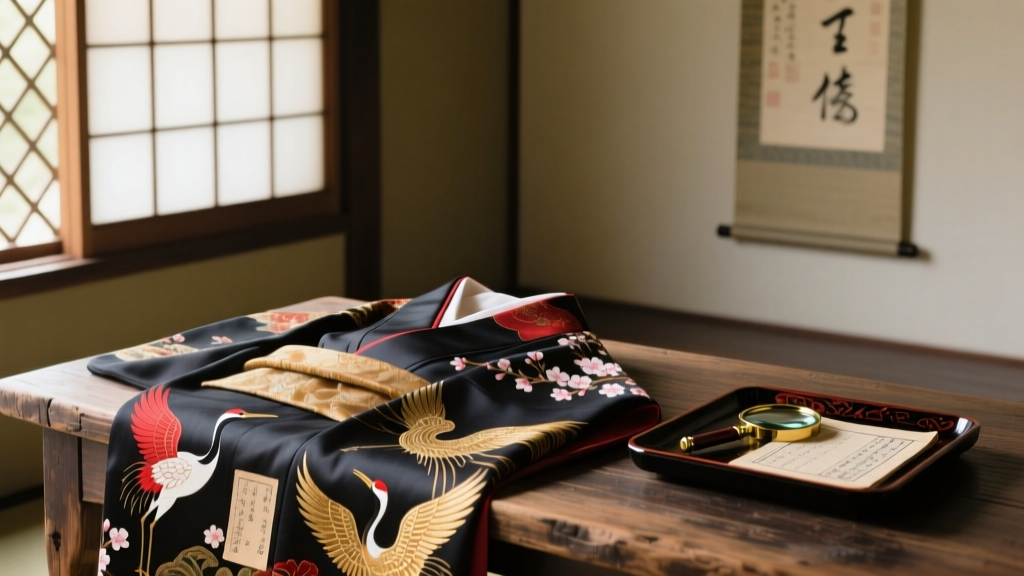
Buying Advice: When purchasing high-tier silk Hanfu, always request a burn test certificate or macro-photography of the weave. Authentic Luo gauze will show the distinct twisted warp structure under magnification, whereas cheap imitations merely use a loose, plain weave. Furthermore, inspect the Mamianqun pleats; authentic historical pleating relies on precise mathematical folding and heat-setting of pure silk, which holds its shape far better than synthetic alternatives.
Preserving the Loom: Modern Artisans and Cultural Continuity
The survival of these ancient textile techniques is not guaranteed. Institutions like the Victoria and Albert Museum and the China National Silk Museum play vital roles in conserving historical fragments, but the living tradition relies on rural artisan cooperatives. In regions like Suzhou and Nanjing, multi-generational weaving families are partnering with modern Hanfu designers to translate ancient loom patterns into contemporary, wearable formats. By investing in these artisan-crafted garments, buyers do more than acquire a beautiful piece of clothing; they actively fund the preservation of a millennia-old textile heritage, ensuring that the poetry of the ancient Chinese loom continues to be woven into the future.