Ancient Chinese Dresses: The Ultimate Occasion & Event Guide

The Hanfu Revival: Redefining Ancient Chinese Dresses for Modern Events
When styling ancient Chinese dresses for contemporary occasions, it is vital to distinguish between historical garments and modern cinematic interpretations. Globally, the term is often mistakenly conflated with the qipao or cheongsam, which is a 20th-century garment of Manchu origin. True ancient Chinese dresses belong to the Hanfu (汉服) tradition—the historical clothing system of the Han people, spanning from the Huangdi era (c. 2700 BCE) through the Ming Dynasty (1368–1644 CE). Today, the global Hanfu Movement (Hanfu Yundong) has resurrected these garments, transforming them from museum relics into living, breathing fashion choices for weddings, galas, tea ceremonies, and cultural festivals.
Navigating the world of Hanfu requires an understanding of dynasty-specific silhouettes, fabric technologies, and cultural protocols. This guide provides a comprehensive framework for selecting, sourcing, and styling authentic ancient Chinese dresses for your next event.
Curating Your Wardrobe: Silhouettes by Occasion
Different dynasties favored distinct aesthetic philosophies, heavily influenced by the era's socio-political climate and textile capabilities. Choosing the right dynasty-specific silhouette ensures your attire aligns with the formality and atmosphere of your event.
1. Tang Dynasty Yuanlingpao (圆领袍) for Formal Galas
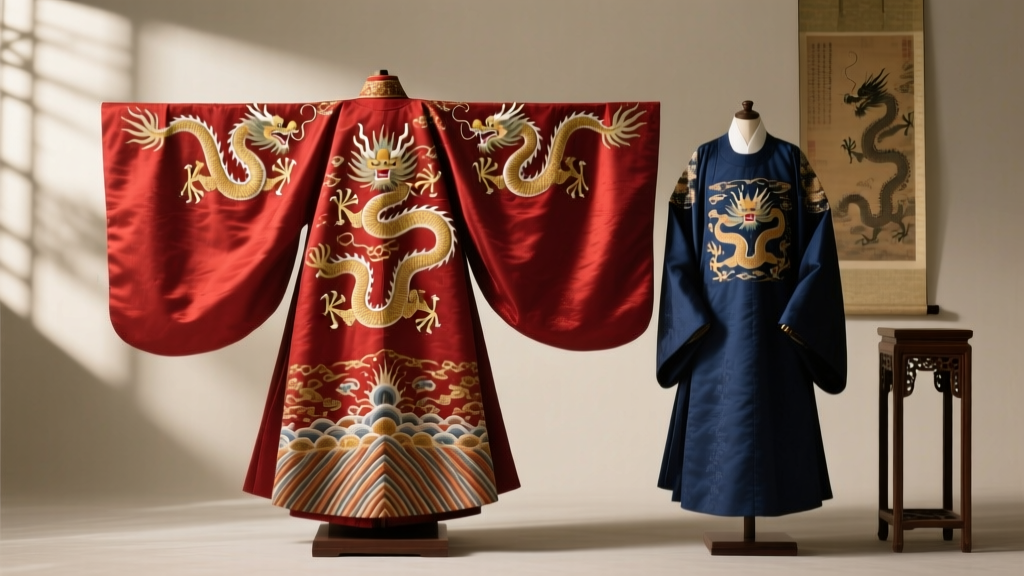
The Tang Dynasty (618–907 CE) was a cosmopolitan golden age characterized by bold silhouettes and gender-fluid fashion. The Yuanlingpao, or round-collar robe, was historically worn by both men and women. For modern formal events, galas, or evening banquets, a floor-length Tang-style robe crafted from heavy silk brocade offers a striking, regal presence. Unlike the delicate layers of later dynasties, the Tang silhouette is voluminous, often featuring wide sleeves and secured with a structured leather or woven belt. It is an exceptional choice for attendees seeking a gender-neutral, high-impact formal look that commands attention.
2. Song Dynasty Ruqun (襦裙) and Beizi (褙子) for Daytime & Tea Ceremonies
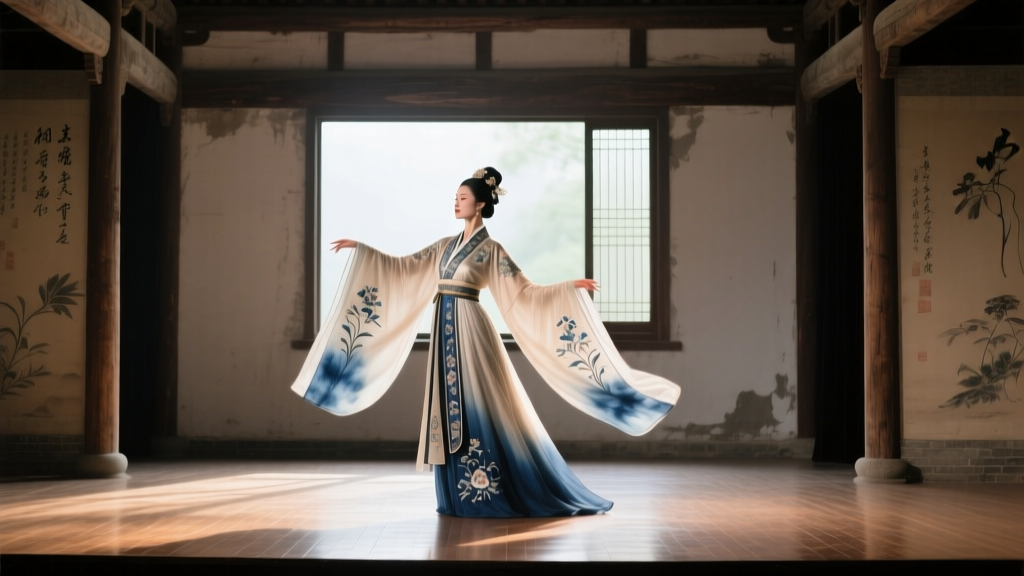
If your event is a daytime garden wedding, a botanical tea ceremony, or a springtime cultural gathering, the Song Dynasty (960–1279 CE) aesthetic is unparalleled. The Song era prized intellectualism, minimalism, and slender silhouettes. The Ruqun (a short top and high-waisted skirt) paired with a Beizi (an open-front, knee-to-ankle overcoat) creates an elegant, elongated profile. The Beizi is typically fastened at the collar with a subtle tie, allowing the inner layers to cascade gracefully. Opt for lightweight ramie, sheer silk gauze (luo), or matte crepe in muted, nature-inspired tones like celadon, plum, or bamboo green.
3. Ming Dynasty Aoqun (袄裙) and Mamianqun (马面裙) for Winter Festivals & Weddings
For winter weddings, Lunar New Year celebrations, or evening festivals, the Ming Dynasty (1368–1644 CE) Aoqun is the gold standard. The centerpiece of this ensemble is the Mamianqun, or 'horse-face skirt.' This structural marvel features flat, unpleated panels at the front and back (guangmian) with deeply pleated sides, allowing for ease of movement while maintaining a rigid, architectural drape. Paired with an Ao (a lined, hip-length jacket with distinctive Pipa-shaped sleeves), this ensemble provides necessary warmth and a luxurious, heavy drape perfect for formal winter occasions.
The Anatomy of Authenticity: Construction Protocols
Wearing ancient Chinese dresses respectfully requires adherence to foundational construction rules that have governed Hanfu for millennia. The most critical of these is Jiaoling Youren (交领右衽).
- Jiaoling Youren (Cross-Collar, Right Lapel): The left side of the collar must always cross over the right side, forming a 'y' shape at the neckline. In traditional Chinese cosmology, the left represents life and the living, while the right represents death. Crossing the right over the left (Zuoren) is strictly reserved for burial garments. Wearing it incorrectly to a joyous event like a wedding is considered a severe cultural faux pas.
- Flat-Pattern Cutting: Unlike Western tailoring, which uses darts and seams to sculpt fabric to the body's curves, traditional Hanfu is flat-cut. The garment is constructed from whole widths of woven silk or ramie, relying on the natural drape of the fabric, the volume of the sleeves, and the cinching of the sash to create shape. This method preserves the integrity of the woven textile and honors the loom's original width.
- Ties over Buttons: Authentic pre-Qing dynasty garments rarely used buttons. Instead, they rely on Ying (fabric ties) hidden inside the garment and decorative ties on the outside to secure the layers.
'The beauty of traditional Chinese dress lies not in how it restricts the body, but in how it creates a harmonious, flowing space between the fabric and the wearer, reflecting the Daoist principle of moving in accordance with nature.' — Curatorial notes from the China National Silk Museum.
Material Science: Matching Fabrics to Seasons and Venues
Selecting the correct textile is paramount for both comfort and historical accuracy. The Metropolitan Museum of Art's Heilbrunn Timeline highlights the historical supremacy of Chinese silk weaving, a tradition that continues to dictate modern Hanfu pricing and prestige.
| Fabric Type | Best Suited For | Characteristics & Event Application |
|---|---|---|
| Xiangyunsha (香云纱) | Summer Galas, Outdoor Evening Events | An intangible cultural heritage silk from Guangdong, dyed with yam juice and river mud. It is naturally cooling, water-resistant, and possesses a rich, dark luster. Highly expensive and deeply prestigious. |
| Song Brocade (宋锦) | Winter Weddings, Formal Banquets | A heavy, intricately patterned woven silk with a matte finish. Provides excellent structure for Ming-style jackets and horse-face skirts. Ideal for high-formality indoor events. |
| Ramie (夏布) | Daytime Tea Ceremonies, Casual Festivals | A breathable, slightly textured plant fiber. Historically worn by scholars and commoners alike. Offers a rustic, intellectual aesthetic perfect for relaxed, daytime outdoor gatherings. |
| Silk Gauze ( Luo / 罗) | Spring/Summer Layering | Sheer, open-weave silk used for outer layers (like the Song Beizi). Creates a romantic, ethereal effect over opaque inner garments. |
Sourcing and Investment: A Buyer’s Framework
The market for ancient Chinese dresses has exploded, ranging from fast-fashion costumes to museum-grade artisan reproductions. When investing in Hanfu for significant events, understanding the pricing tiers is essential to avoid synthetic, poorly constructed garments that misrepresent the culture.
Price Tiers and Quality Indicators
- Entry-Level / Mass Market ($40 – $90 USD): Typically made from polyester blends or thin cotton. While accessible, these garments often feature machine-embroidered motifs that lack depth, and the flat-cutting proportions may be altered to fit modern Western sizing, compromising the historical drape. Suitable for casual festivals, but not formal events.
- Mid-Tier / Boutique ($120 – $350 USD): Brands in this tier use genuine silk blends, jacquard weaves, and high-quality rayon. The patterns are often woven into the fabric rather than embroidered on top. Seams are finished properly, and the Jiaoling Youren proportions are historically accurate. This is the sweet spot for wedding guests and formal event attendees.
- Artisan / Heritage Tier ($500 – $2,000+ USD): Studios like Minghuatang or specialized Xiangyunsha weavers produce garments using antique looms, genuine gold-leaf thread, and historically verified patterns sourced from the Victoria and Albert Museum's Chinese Dress archives or the Palace Museum. These are investment pieces meant for brides, grooms, and serious cultural practitioners.
Where to Source
While specialized boutiques are emerging in Western cities, the most authentic and diverse selections remain on Chinese e-commerce platforms like Taobao and Tmall. Look for shops that provide 'dynasty-specific' categorizations and offer custom sizing based on traditional measurements (e.g., sleeve length from the center back seam, rather than the shoulder).
Event Etiquette and Accessorizing
An ancient Chinese dress is incomplete without its accompanying accessories, which serve both functional and symbolic purposes. Hair must be styled thoughtfully; wearing elaborate Hanfu with messy, modern casual hair creates a visual disconnect. For formal events, hair is typically tied up or half-up, secured with a Zan (簪 - a single-prong hairpin) or a Buyao (步摇 - a swaying, multi-pronged hairpin with dangling ornaments).
Footwear should also be considered. While modern event venues may require heels or dress shoes, traditional Yuntou (cloud-head shoes) or embroidered cloth boots are increasingly available and provide a grounded, authentic finish to the hemline. Finally, approach the garment with reverence. Hanfu is not a 'costume' or 'cosplay' for the wearer; it is a reclaimed cultural identity. By understanding the deep historical roots, the precise construction of the Mamianqun, and the cosmological significance of the right lapel, you elevate your event attire from mere fashion to a profound celebration of Asian heritage.