Ancient Chinese Clothing for Modern Events

Decoding the Silhouette: Hanfu as Living Heritage
The global resurgence of Hanfu (汉服) has fundamentally transformed how we engage with historical dress. No longer confined to museum archives or cinematic dramas, traditional ancient chinese clothing is now a living, breathing wardrobe worn by millions for modern milestones. However, transitioning these garments from historical artifacts to contemporary event-wear requires a nuanced understanding of dynastic aesthetics, fabric behavior, and cultural protocols. Whether you are attending a traditional betrothal ceremony, a Mid-Autumn lantern festival, or a formal tea gathering, selecting the appropriate Hanfu silhouette is an exercise in both sartorial elegance and historical respect.
The Sacred Geometry of Jiaoling Youren
Before selecting an outfit for any event, one must understand the foundational rule of Hanfu construction: Jiaoling Youren (交领右衽), or the 'intersecting collar with the right side hidden.' The left lapel must always cross over the right, securing on the right side of the body. In traditional Chinese cosmology, the left represents Yang (life, light, and the living), while the right represents Yin. Reversing this (left hidden under right) is strictly reserved for dressing the deceased for burial. For any joyous or formal event, ensuring your collar crosses correctly is the most critical marker of cultural competence and respect.
Curating Your Wardrobe by Event Type
Unlike modern Western formalwear, which largely adheres to a single 'black-tie' standard, traditional ancient chinese clothing offers distinct silhouettes tailored to the specific energy and formality of different occasions.
1. Weddings and Betrothal Ceremonies (Dinghun)
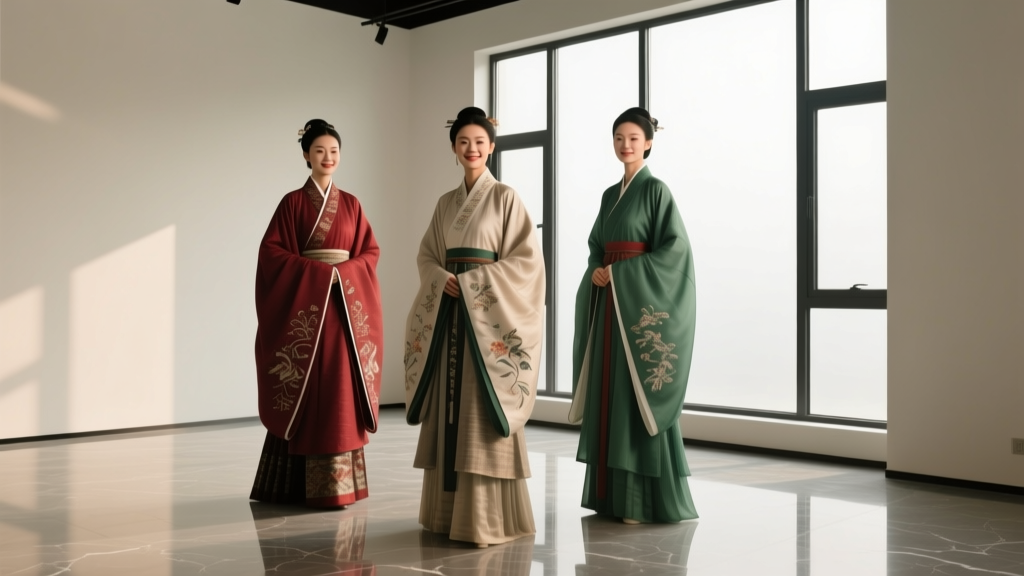
For weddings, the Ming Dynasty (1368–1644) aesthetic remains the gold standard due to its structured grandeur and heavy use of auspicious motifs. Brides typically wear a Fengguan Xiapei (phoenix crown and cloud scarf) paired with a heavily embroidered Diyi (翟衣) or a crimson Mang Pao (python robe). The fabrics are substantial—often Song brocade or heavy silk satin—which provides a regal, statuesque drape. Grooms often wear a dark, structured round-collar robe (Yuanlingpao) with an official's hat (Wushamao). The color palette is dominated by deep crimsons, golds, and emerald greens, symbolizing prosperity and vitality.
2. Traditional Festivals and Lantern Nights
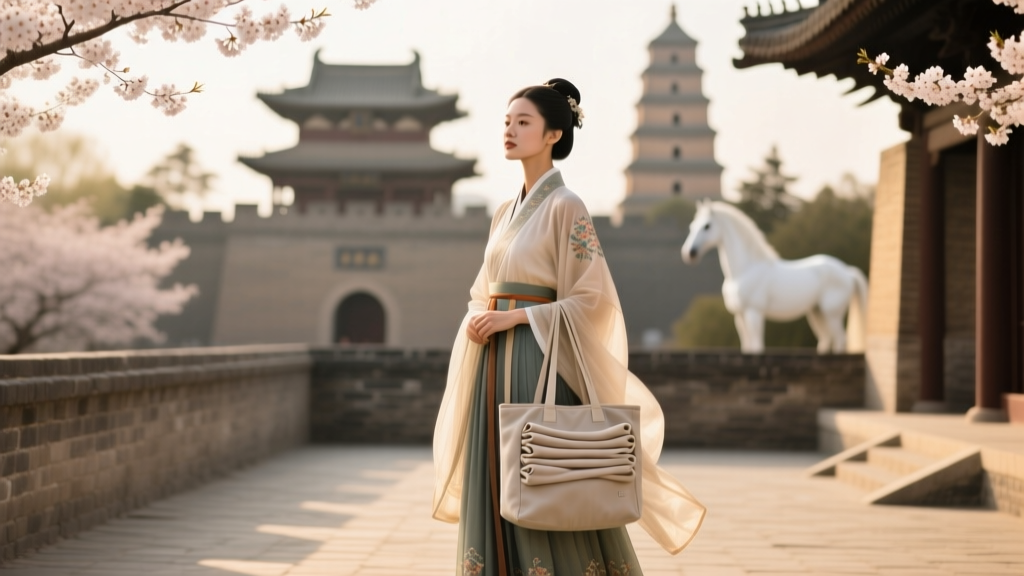
Festivals like the Qixi Festival or the Lantern Festival call for mobility, vibrancy, and a touch of romanticism. The Tang Dynasty (618–907) silhouettes are perfect here. The Qixiong Ruqun (chest-high pleated skirt) paired with a Banbi (half-sleeve vest) offers a flowing, cosmopolitan look that moves beautifully in the wind. Tang-era Hanfu embraces bold color-blocking—think saffron yellows, pomegranate reds, and jade greens—often featuring woven floral medallions. For evening lantern viewing, lightweight silk gauze (Luo) shawls add an ethereal, luminous quality under artificial light.
3. Formal Banquets and Tea Ceremonies
For intimate, refined gatherings such as tea ceremonies or daytime academic banquets, the Song Dynasty (960–1279) aesthetic is unparalleled. Song Hanfu favors slender, elongated silhouettes and muted, nature-inspired tones like celadon, lotus pink, and ink-wash grey. The quintessential garment is the Beizi (褙子), a long, open-front coat with parallel collars, worn over a pleated skirt and an inner blouse. The minimalism of the Song style allows the wearer to focus on the intricate details of the tea service and the subtle sheen of the silk, projecting an aura of scholarly elegance.
Dynastic Aesthetics: Choosing Your Historical Era
Understanding the historical context of your garment elevates your event experience. Below is a comparative guide to help you align your Hanfu choice with the tone of your event.
| Dynasty | Key Garment | Silhouette & Vibe | Best Event Match | Primary Fabric Focus |
|---|---|---|---|---|
| Tang (618–907) | Qixiong Ruqun | Bold, voluminous, romantic | Festivals, outdoor galas, summer parties | Silk gauze (Luo), lightweight damask |
| Song (960–1279) | Beizi & Pleated Skirt | Slender, minimalist, scholarly | Tea ceremonies, art exhibitions, daytime banquets | Crepe silk, subtle jacquard weaves |
| Ming (1368–1644) | Mamianqun & Ao | Structured, dignified, layered | Weddings, winter formal events, temple visits | Song brocade, heavy satin, Xiangyunsha |
The Architecture of the Mamianqun
The Ming Dynasty Mamianqun (马面裙), or 'horse-face skirt,' deserves special attention for modern formal events. Its construction is a marvel of traditional engineering: it features flat, unpleated front and back panels (the 'horse faces') flanked by intricate, overlapping knife pleats on the sides. This design allows the skirt to remain modest and flat when standing or sitting, while expanding dramatically when walking. According to textile archives at the Victoria and Albert Museum, the Mamianqun's pleating techniques represent a high point in Ming dynasty tailoring, designed to conserve expensive, wide-loomed silk while maximizing movement.
Investment Guide: Fabrics, Artisans, and Price Tiers
When purchasing traditional ancient chinese clothing for significant life events, fabric composition dictates both the garment's drape and its historical authenticity. The market is broadly divided into three tiers.
Entry-Level: Mass-Market & Synthetic Blends ($40 – $90 USD)
For casual festival wear or first-time buyers, platforms like Taobao and AliExpress offer polyester-cotton blends and machine-embroidered sets. While accessible, these fabrics lack the temperature-regulating properties of natural fibers and often feature historically inaccurate, anachronistic embroidery patterns. They are suitable for outdoor summer festivals where silk might be damaged by sweat or weather.
Mid-Tier: Independent Artisans & Mulberry Silk ($150 – $500 USD)
For weddings and formal banquets, invest in mid-tier artisan brands (such as Ming Huatang or Haoshang). These garments utilize 100% mulberry silk, authentic jacquard looms, and historically verified patterns sourced from museum archives. At this price point, you will find genuine Song Brocade (宋锦), a complex weaving technique where the warp and weft threads create a subtle, reversible geometric or floral pattern that catches the light dynamically.
Heirloom & Intangible Heritage: Xiangyunsha ($800 – $3,000+ USD)
For the ultimate collector or a once-in-a-lifetime wedding, seek out Xiangyunsha (香云纱), or 'gambiered Guangdong silk.' Recognized as an Intangible Cultural Heritage by the Chinese government, this fabric is woven from raw silk, dyed repeatedly in the tannin-rich juice of the gambier plant, and finally coated with iron-rich river mud from the Pearl River Delta. The China National Silk Museum notes that this alchemical process results in a fabric that is naturally water-resistant, antibacterial, and possesses a distinct, leathery rustle. It is the pinnacle of Ming and Republican-era formal wear.
Cultural Protocols and Common Missteps
Wearing historical clothing requires an awareness of cultural boundaries. Avoid garments made of unhemmed, raw white hemp or pure, unadorned white silk for joyous events; in traditional Chinese culture, these are strictly mourning fabrics (Cuifu). Additionally, be mindful of hem lengths. While modern fashion often embraces floor-dragging trains, traditional Hanfu skirts were typically tailored to graze the top of the foot or the ankle, allowing the wearer to navigate uneven temple steps and wooden floors without soiling the silk.
'To wear Hanfu is not merely to put on a costume, but to step into a continuous dialogue with the artisans, weavers, and philosophers of the past. The garment is a map of Chinese cosmology, worn upon the body.' — Curatorial notes on Asian Textiles, Metropolitan Museum of Art.
Final Styling Advice for the Modern Wearer
When styling your Hanfu for a modern event, balance is key. If you are wearing a heavily embroidered Ming Dynasty jacket, pair it with a solid-colored, unadorned Mamianqun to prevent visual clutter. For hair, avoid modern plastic claw clips; instead, utilize traditional wooden hairpins (Zan) or jade hair sticks to secure a half-up style, maintaining the historical integrity of your silhouette. By respecting the construction, history, and cultural weight of traditional ancient chinese clothing, you ensure that your presence at any event is both visually stunning and deeply respectful.