Quechua Lliklla: Andean Woven Shawl

The Shawl That Carries a World
The lliklla is a rectangular woven shawl worn by Quechua women throughout the Andean highlands. Pinned at the chest with a tupu (decorative pin), it serves as garment, baby carrier, and bundle cloth. Its patterns encode community identity, marital status, and cosmological beliefs.
Weaving Technique
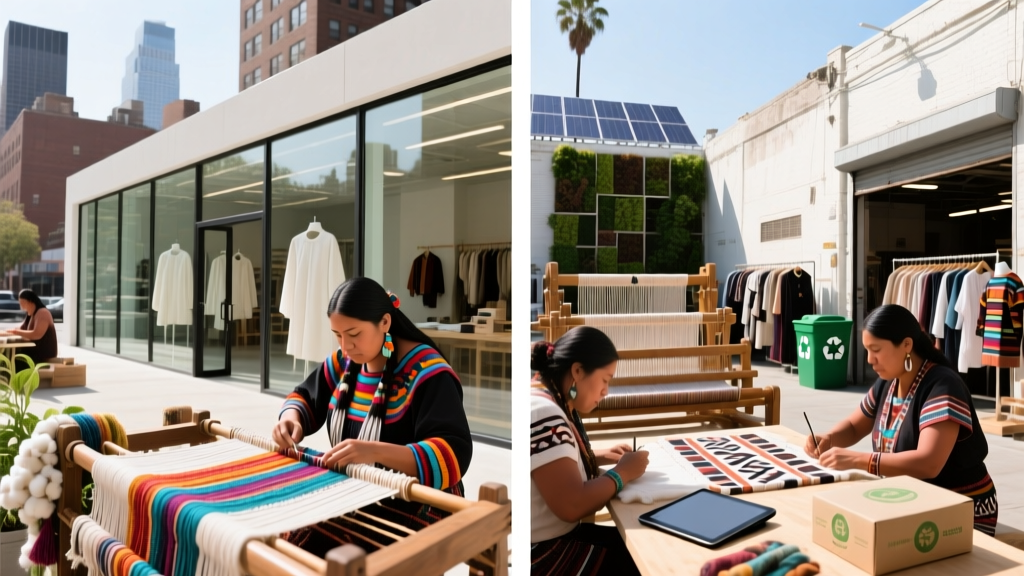
Llikllas are woven on backstrap looms: a portable, ancient technology. The weaver sits with one end attached to a post and the other held by a strap around her back. Techniques vary: supplementary warp (extra threads creating surface patterns) or complementary warp (reversible patterns). Finest pieces use alpaca fiber.
- Backstrap loom: portable, body-tensioned
- Supplementary warp: surface patterns
- Complementary warp: reversible double-faced
- Fiber: sheep wool (everyday), alpaca (formal)
Pattern Symbolism
Patterns express cosmological concepts. Inti (sun) as diamond, Chakana (Andean cross) for three levels of existence, condor and puma for upper and middle worlds, zigzag for rivers and time flow. Agricultural motifs like potato flowers connect weaving to agricultural cycles.
Regional Identity
Each community has distinctive patterns functioning as visual identification. Experienced observers can identify a woman's home community from her lliklla alone, maintaining unique traditions as markers of identity under modernization pressures.