Navajo Weaving Blanket Traditions

Dine Textile Excellence
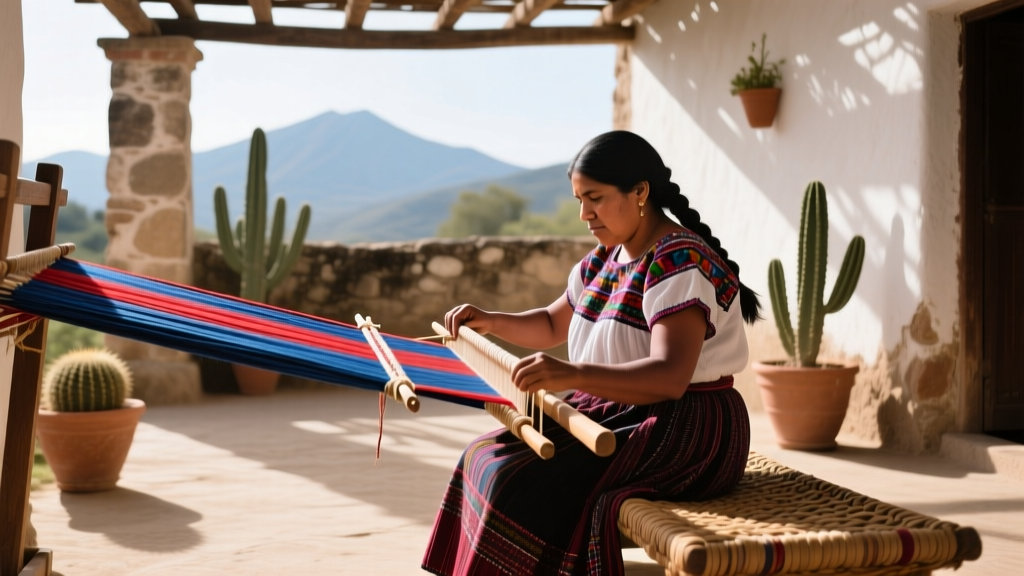
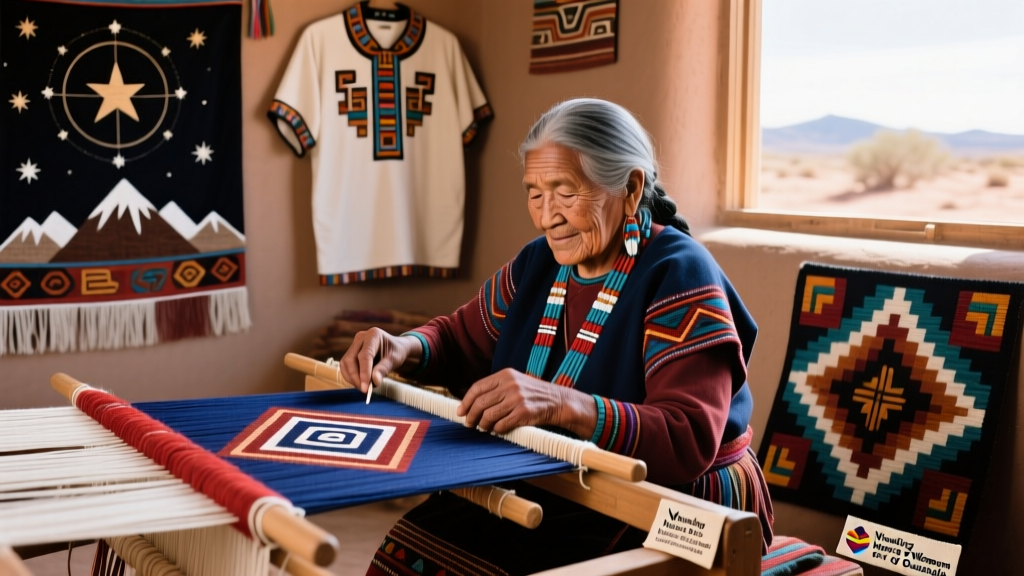
Navajo (Dine) weaving produces some of North America's most technically accomplished and artistically significant textiles. From utilitarian blankets to ceremonial rugs, Navajo weavers have maintained continuous textile production for over 300 years.
Historical Development
Navajo people learned weaving from Pueblo neighbors in the late 17th century. Early blankets featured simple striped patterns in natural wool colors. The introduction of aniline dyes and Germantown yarns in the late 19th century expanded the color palette dramatically.
Regional Styles
Two Grey Hills weavings feature natural wool colors in fine geometric patterns. Ganado rugs use deep red backgrounds with black borders and geometric motifs. Teec Nos Pos weavings display complex patterns with bold colors influenced by Persian rug designs. Each regional style reflects local aesthetic traditions and trading post influences.
Contemporary Practice
Navajo weavers continue producing textiles that command high prices in the art market. Young weavers learn from family members, and weaving programs at tribal colleges ensure technical knowledge transmission. Many contemporary weavers innovate within traditional frameworks.