Navajo Rug Weaving: Patterns and Symbolism

Introduction to Navajo Rug Weaving
The textile and garment traditions explored in this article represent centuries of cultural knowledge, artisan skill, and community identity. Each technique, pattern, and material choice carries meaning that extends far beyond aesthetics.
Historical Background
These traditions emerged from specific environmental conditions, trade relationships, and social structures. The materials available locally shaped the techniques that artisans developed, while cultural beliefs determined which patterns and colors held significance.
Materials and Techniques
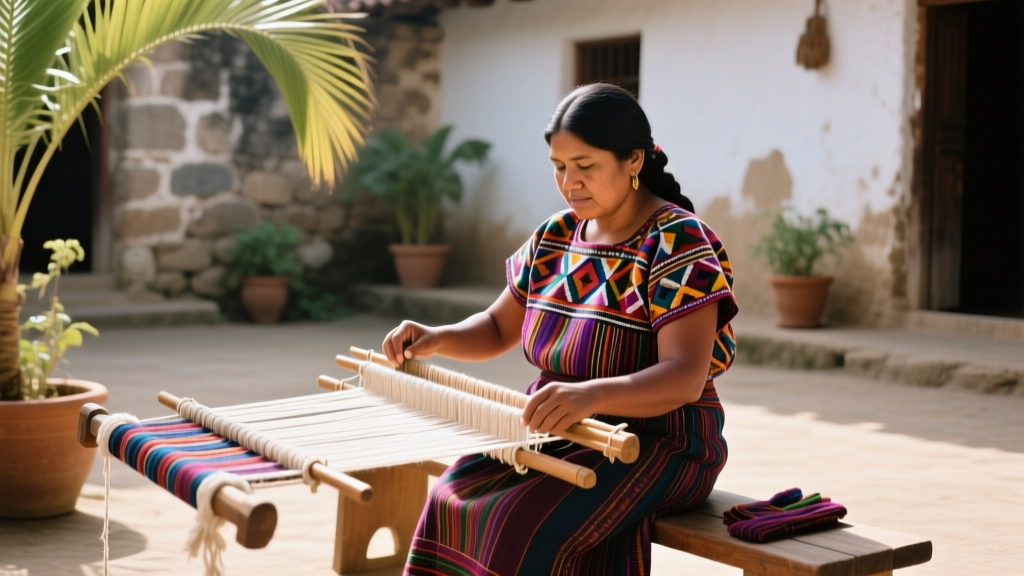
Traditional garment-making involves a complex chain of knowledge: fiber selection, preparation, spinning, dyeing, weaving or knitting, cutting, and finishing. Each step requires specialized skills often passed through families and communities over generations.
- Raw materials are sourced from local plants, animals, or mineral deposits
- Dyeing techniques use fermentation, mordanting, and resist methods
- Weaving patterns encode mathematical knowledge and cultural narratives
- Finishing techniques include pressing, fulling, and decorative embellishment
Cultural Significance
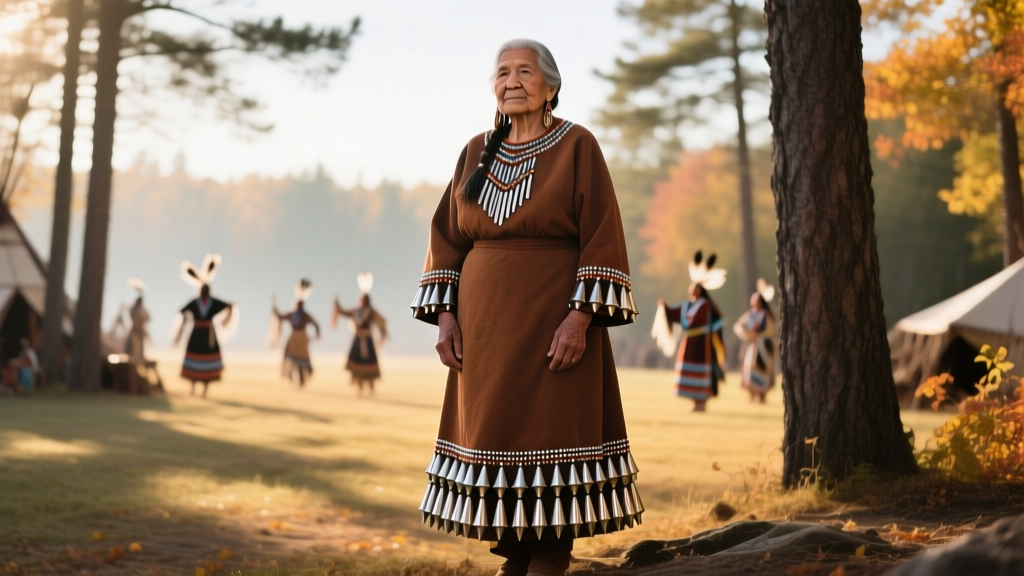
Garments serve as markers of identity, status, age, marital status, and community belonging. Specific patterns or colors may be reserved for ceremonies, seasons, or social roles. Understanding these conventions reveals the deep social function of textile arts.
Contemporary Relevance
Today, these traditions face challenges from fast fashion, material scarcity, and declining artisan populations. Yet many communities are finding ways to sustain their textile heritage through cooperatives, educational programs, and ethical fashion partnerships that value artisan knowledge.