Navajo Churro Wool Weaving Art

Wool, Loom, and Legacy
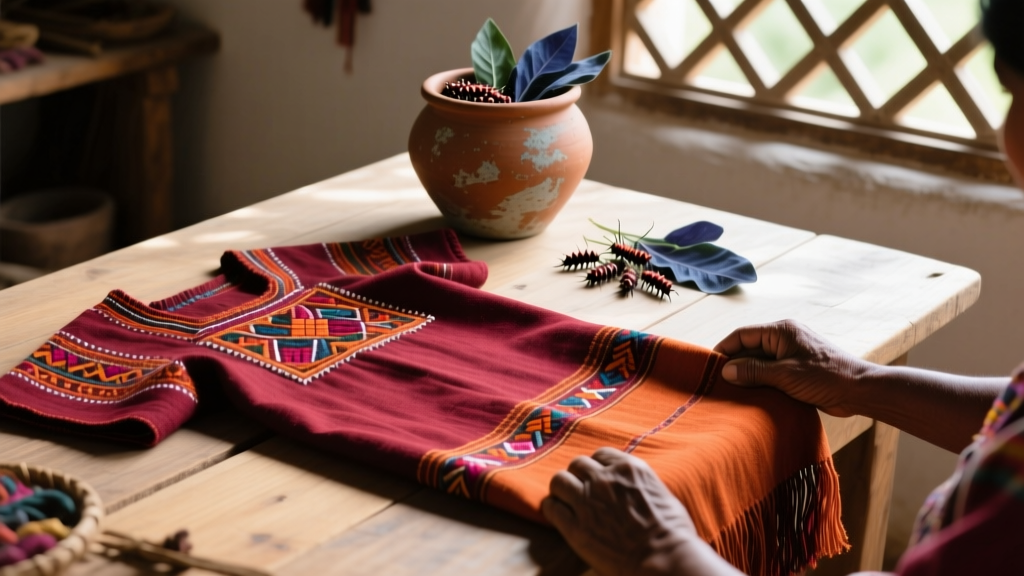
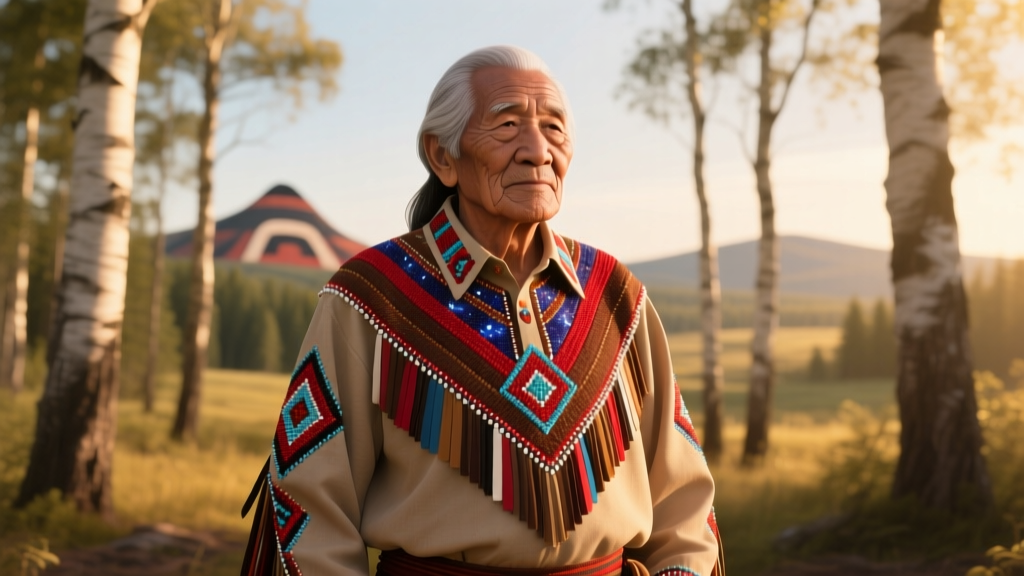
Navajo (Dine) weaving is one of the most celebrated textile traditions in North America. Using wool from the hardy Navajo-Churro sheep, Dine weavers create geometric rugs and blankets that have been collected by museums worldwide. The tradition blends indigenous knowledge with Spanish and Pueblo influences into a distinctly Navajo art form.
The Navajo-Churro Sheep
The Churro sheep was brought to the Southwest by Spanish colonists in the 16th century. The Navajo adopted sheep herding and developed a breed perfectly suited to the arid high desert — lean, long-wooled, and able to survive on sparse forage. Churro wool has a long staple (fiber length) that is ideal for hand-spinning without carding.
Weaving Process
- Shearing — wool is hand-shorn in spring
- Washing — cleaned with yucca root soap
- Spinning — spun on a drop spindle (not a spinning wheel)
- Dyeing — natural dyes from local plants, or undyed natural colors (white, brown, grey, black)
- Weaving — woven on an upright loom using a continuous warp technique
Design Traditions
- Two Grey Hills — natural undyed wool in brown, black, grey, and white geometric patterns
- Ganado — deep red backgrounds with black and white geometric designs
- Wide Ruins — banded patterns in earth tones with no borders
- Crystal — vegetal-dyed in soft yellows, greens, and browns
Cultural Survival
Navajo weaving survived the devastating Long Walk of 1864, government attempts to eliminate the Churro breed, and economic pressure to abandon traditional practices. Today, weavers continue the tradition, selling directly through cooperatives and galleries. The Navajo-Churro Sheep Association works to preserve the original breed that makes this textile tradition possible.