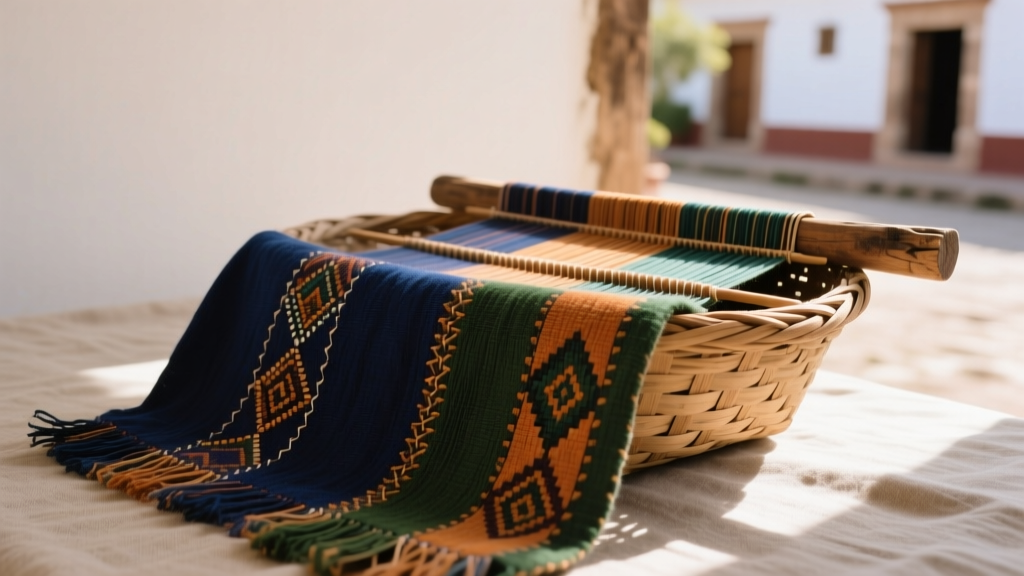
Navajo Churro Wool: Weaving Heritage
The Sheep That Built a Culture
The Navajo-Churro sheep — a hardy, long-wooled breed descended from Spanish churra sheep brought to the Americas in the 16th century — is inseparable from Diné (Navajo) cultural identity. For over 300 years, Churro wool has been the primary material for Navajo weaving, from utilitarian blankets to the internationally recognized rug tradition.
From Spanish Flocks to Diné Hands
Spanish colonists introduced churra sheep to the Southwest in the late 1500s. The Diné acquired flocks through trade and raids, rapidly becoming skilled shepherds and weavers. By the 18th century, Navajo blankets were prized trade items throughout the region, known for their tight weave and distinctive patterns.
The Long Walk and Breed Devastation
In 1863, the US government forced the Diné on the Long Walk to Bosque Redondo, destroying most of their sheep flocks. After return to the reservation in 1868, the government introduced Rambouillet sheep for commercial meat production. Rambouillet wool — short, greasy, and heavily crimped — was unsuitable for handspinning and traditional weaving, nearly destroying the textile tradition.
Churro Wool Characteristics
Churro wool is ideal for handspinning: long staple length (6-12 inches), low grease content, and a distinctive dual-coat structure with fine inner fibers and coarser outer guard hairs. The wool comes in natural colors — white, brown, grey, and black — allowing weavers to create patterns without synthetic dyes. The lustrous, durable fiber produces textiles with exceptional longevity.
Breed Revival
Since the 1970s, the Navajo-Churro Sheep Association and dedicated Diné shepherds have worked to rebuild Churro flocks. The breed, once nearly extinct, now numbers several thousand. This revival has reinvigorated traditional weaving, with younger weavers seeking out Churro wool specifically for its superior spinning and weaving qualities.