Mayan Textiles: Backstrap Weaving Art

Mayan backstrap weaving has survived for over two millennia as one of the Americas' most enduring textile traditions. Today, indigenous women across Guatemala and southern Mexico continue to create huipiles and cortes using techniques virtually unchanged since pre-Columbian times.
The Backstrap Loom
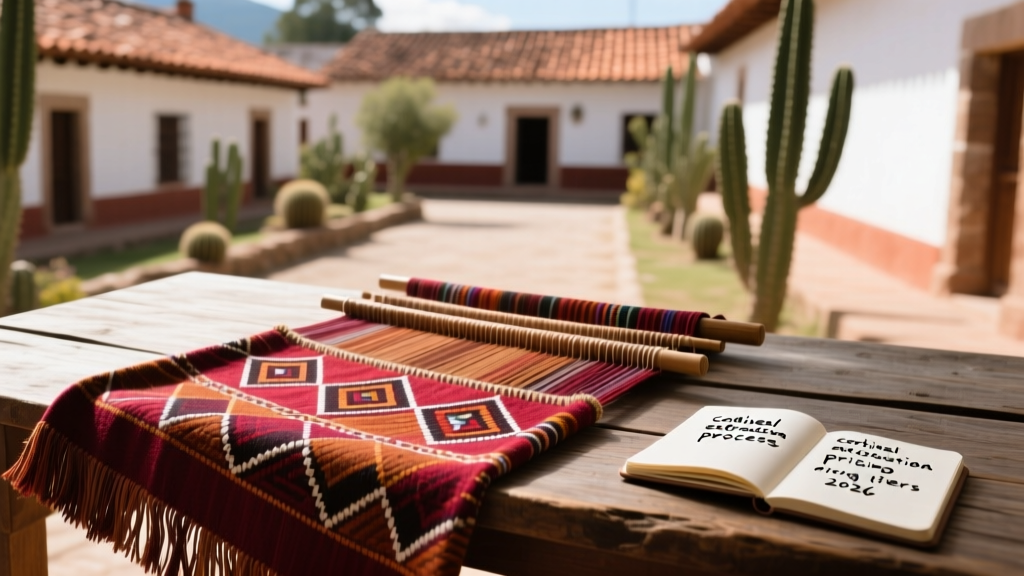
The backstrap loom is elegantly simple: one end attaches to a fixed point, the other to the weaver's body via a belt. By leaning forward or back, the weaver controls warp tension. This intimate connection between body and loom gives the technique its name.
Brocade Techniques
Mayan weavers create patterns using supplementary weft brocade, adding decorative threads during weaving rather than embroidery. The supplementary weft floats over and under warp threads, creating raised patterns that appear to be embroidered but are integral to the cloth.
Community Identity
Each Mayan community has distinctive patterns, colors, and motifs that identify the wearer's village. A knowledgeable observer can determine a woman's hometown from her huipil alone, making textiles a powerful form of cultural identification.