Mayan Huipil: Embroidered Blouse Guide

What Is a Huipil?
The huipil is the most common traditional garment worn by indigenous women in Mesoamerica, from southern Mexico to Central America. This loose-fitting tunic, made from one to three panels of woven fabric, features elaborate brocade or embroidery designs that identify the wearer's community and social status.
Construction Techniques
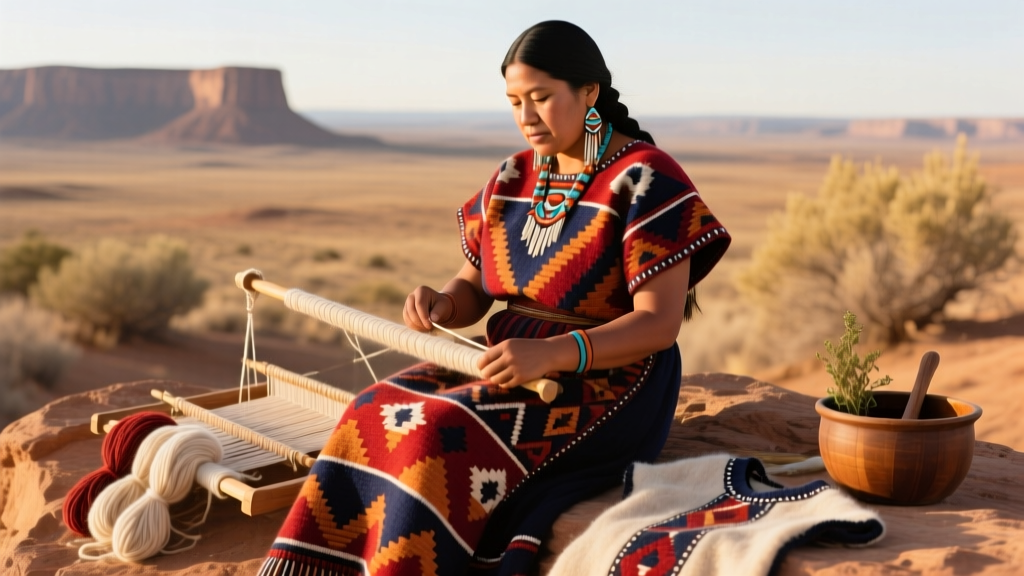
Traditional huipiles are woven on backstrap looms, where the weaver's body provides tension. The fabric is created in narrow panels that are then joined together. Brocade patterns are woven directly into the fabric during weaving, unlike surface embroidery which is added afterward.
Regional Identity Through Design
Each Maya community has distinctive huipil designs. San Juan Cotzal huipiles feature geometric birds and diamond patterns. Todos Santos Cuchumatán huipiles use red and white stripes with brocade. The designs function as a visual language, identifying the wearer's village at a glance.
Ceremonial vs. Daily Huipiles
Women typically own multiple huipiles: simpler versions for daily work and elaborate ceremonial pieces for special occasions. Ceremonial huipiles may take six months to weave and incorporate the most complex patterns, including cosmological symbols and sacred animals.
Contemporary Challenges
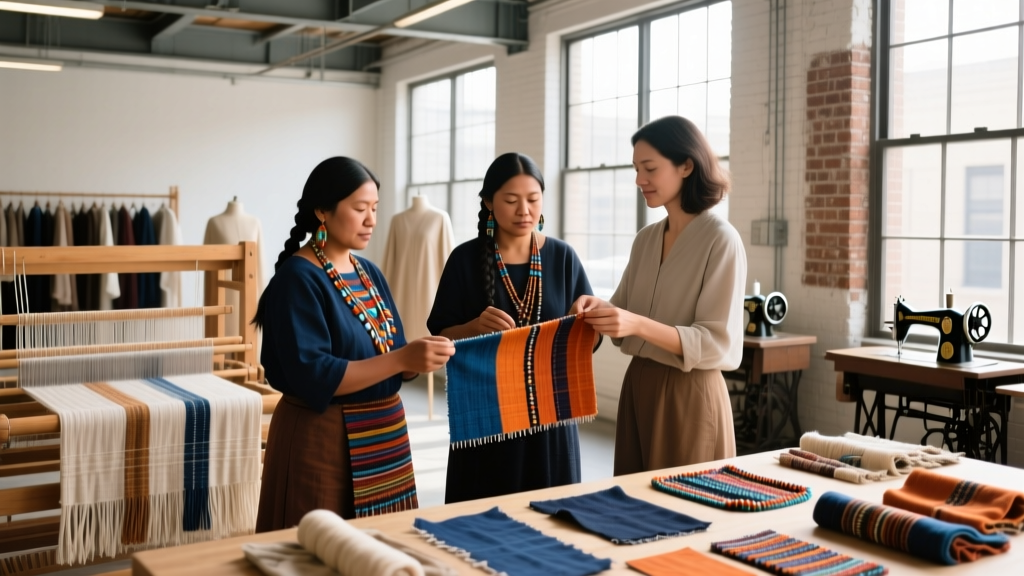
Machine-made imitations threaten the livelihoods of indigenous weavers. Cultural appropriation debates have raised awareness about respecting the sacred and cultural significance of huipil designs. Cooperatives help weavers access fair-trade markets while preserving traditional techniques.