Maya Backstrap Weaving: Living Art

Two Thousand Years of Continuous Practice
Backstrap weaving — where the loom is tensioned between a fixed point and the weaver's body — has been practiced in Mesoamerica for over 2,000 years. Maya women in Guatemala, Mexico, and Belize continue this tradition, creating textiles that encode cosmological knowledge, community identity, and artistic mastery in every thread.
The Backstrap Loom
The backstrap loom is elegantly simple: one end attaches to a post or tree, the other wraps around the weaver's lower back via a belt (mecapal). By leaning forward or backward, the weaver controls warp tension. This body-loom connection means the textile literally emerges from the weaver's physical engagement — her breathing, posture, and movement become part of the weaving process.
Brocade and Supplementary Weft
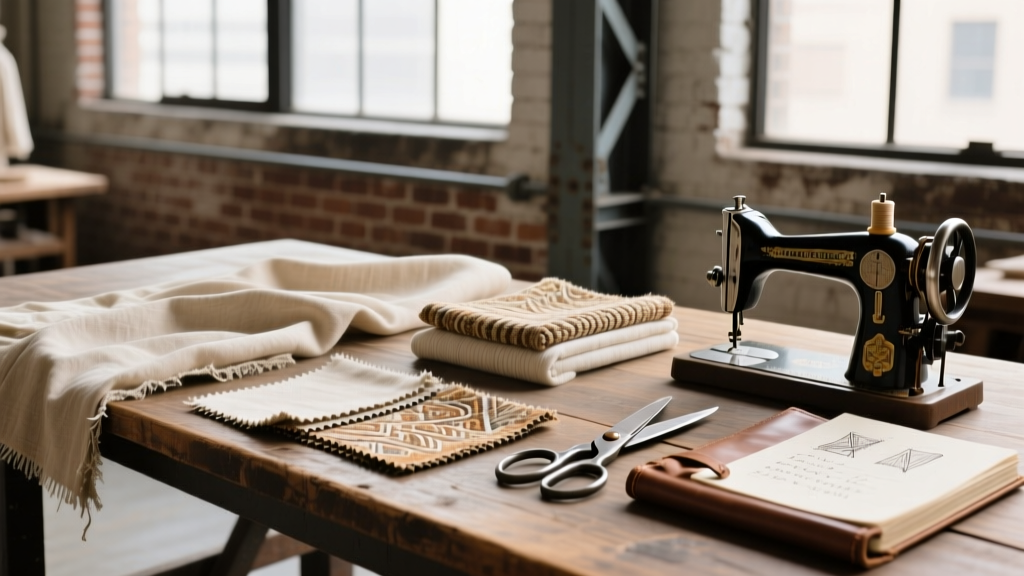
Maya weavers create complex patterns using brocade — adding supplementary weft threads during weaving rather than applying embroidery afterward. This technique integrates the design into the fabric structure itself. Common motifs include diamonds (representing the universe), serpents (fertility and water), quetzal birds (royalty), and geometric representations of mountains and celestial bodies.
Huipil: The Woven Identity
The huipil — a loose-fitting tunic — is the most important garment in Maya women's dress. Each community has distinctive huipil designs, colors, and weaving techniques that function as visual identity markers. An expert can identify a woman's village of origin from her huipil alone. Ceremonial huipiles are masterworks that can take months to weave.
Threats and Resilience
Maya backstrap weaving faces threats from cheap imported textiles, migration that separates young women from their teachers, and the time-intensive nature of the craft. However, weaving cooperatives, cultural schools, and growing appreciation for handmade textiles provide economic incentives for continuation. Many young Maya women now view weaving as both cultural duty and viable livelihood.