Inuit Parka Design Traditions
Clothing Engineered for Extremes
Inuit clothing represents some of the most technically sophisticated garment design in human history. In an environment where inadequate clothing means death, Inuit seamstresses developed patterns, construction methods, and material knowledge refined over millennia. The parka (from Inuktitut "paa-liq," meaning outer garment) is the most recognized Inuit contribution to global clothing.
The Amauti
The amauti is a womens parka with a built-in baby pouch (amaut) on the back. The infant sits against the mother's bare back for warmth and bonding, while the large pouch allows the baby to be moved to the front for nursing without exposure to cold.
- The hood is oversized to accommodate both mother and baby
- The baby pouch can be shifted from back to front to side
- Modern amauti are made from both traditional skins and modern fabrics
- The design is recognized as one of the most functional baby-carrying garments ever created
Caribou Skin Construction
Traditional Inuit parkas were made from caribou skin — the hollow hair fibers provide exceptional insulation.
- Winter parkas used two layers: inner layer with fur facing in, outer layer with fur facing out
- Seams were sewn with sinew thread that swells when wet, making them waterproof
- Pattern pieces were cut using an ulu (crescent knife) and measured by hand spans
- Each community had distinct styles identifiable by cut, trim, and decorative elements
Regional Styles
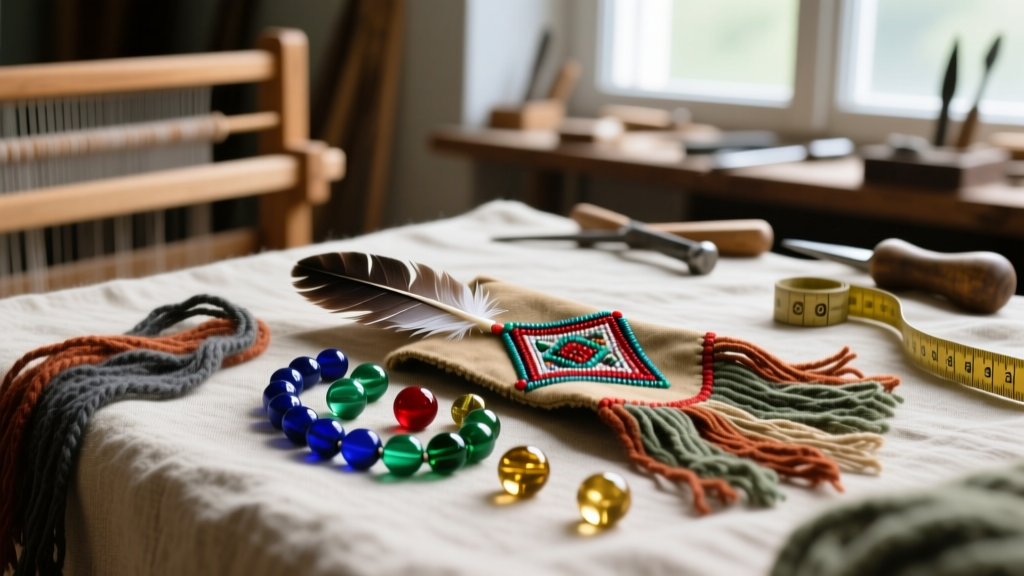
Inuit parka designs vary by region — from the long-tailed amauti of the Eastern Arctic to the shorter, boxier parkas of the Western Arctic. Decoration includes beadwork, animal teeth, shell inlay, and appliquéd designs that identify the wearer community and family.
Contemporary Inuit Fashion
Inuit designers like Victoria Kakuktinniq and Nala Lee are creating modern collections that incorporate traditional construction techniques with contemporary materials. The amauti has been adapted in modern fabrics for both Inuit and non-Inuit parents, though cultural appropriation concerns mean supporting Inuit-owned brands is important.