Guatemalan Huipil: Woven Identity
Introduction
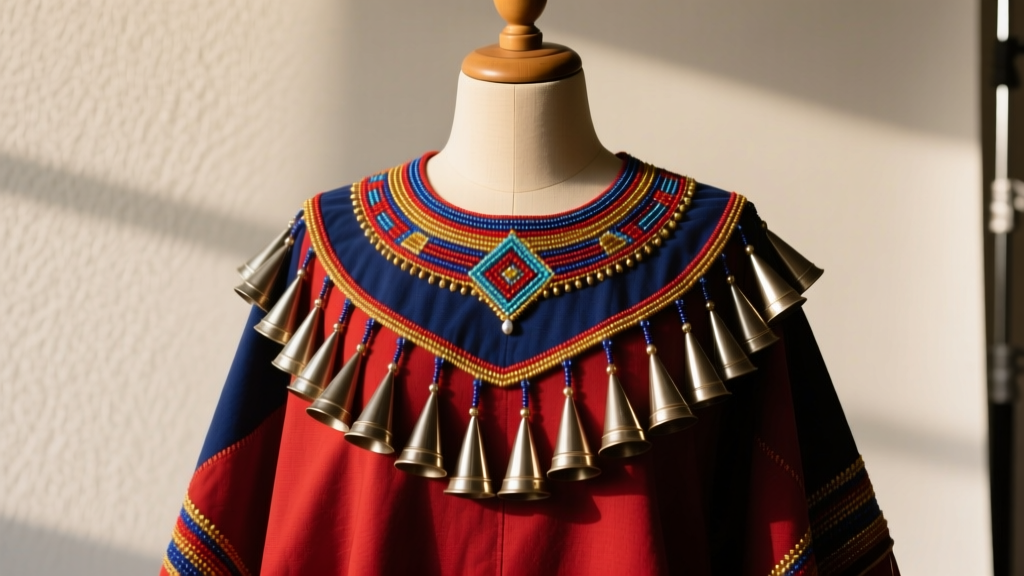
The huipil is far more than a blouse — it's a wearable autobiography. In Guatemala's Maya highlands, a woman's huipil reveals her village, social status, religious beliefs, and personal creativity through its woven symbols and color palette.
Backstrap Loom Weaving
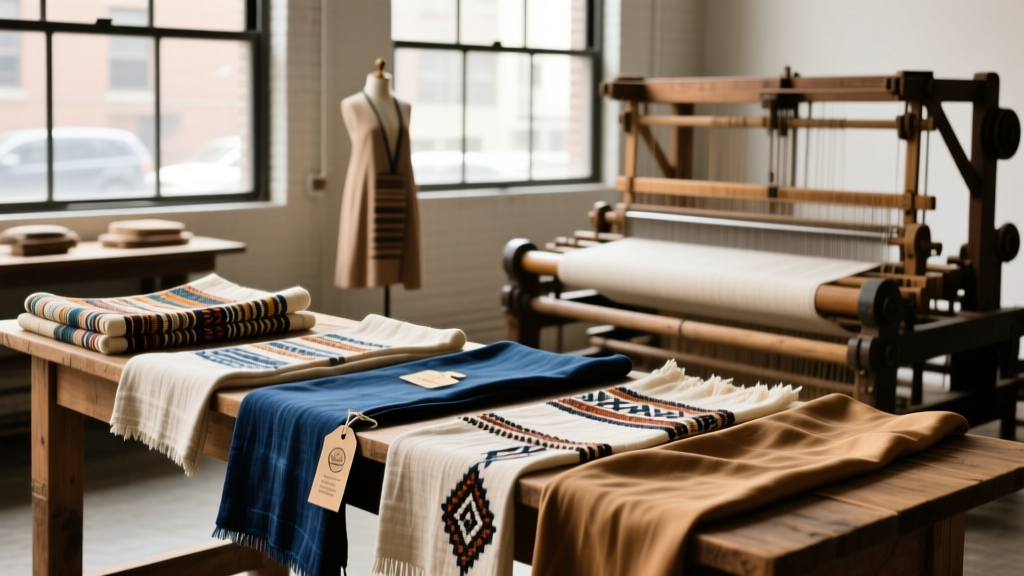
Huipiles are woven on a backstrap loom, where one end attaches to a fixed point (tree or post) and the other wraps around the weaver's waist. She controls tension by leaning forward or backward. This portable technology, unchanged for millennia, produces fabric of extraordinary density and precision.
Village-Specific Designs
Each Maya community has distinctive huipil patterns that allow identification at a glance:
- San Juan Comalapa: double-headed eagle (k'ot) motif
- Chichicastenango: sun cosmogram with radiating zigzags
- Todos Santos Cuchumatán: red-and-white stripes with bird motifs
- Nebaj: elaborate figural designs including horsemen and quetzals
Contemporary Challenges
Fast fashion and imported secondhand clothing threaten huipil weaving traditions. Young women increasingly prefer Western dress for daily use. However, a growing movement of Maya textile cooperatives and cultural organizations works to preserve weaving knowledge and ensure fair compensation for weavers.
Conclusion
The huipil tradition represents one of the world's most sophisticated systems of textile-based communication. Each garment is both a work of art and an act of cultural resistance, asserting Maya identity in a rapidly changing world.