Andean Textile Symbolism Guide
Andean Textile Language
Andean textiles are far more than decorative fabrics — they encode complex information about community identity, social status, cosmological beliefs, and agricultural cycles. Pre-Columbian Andean civilizations developed one of the world's most sophisticated textile traditions.
Inca and Pre-Inca Techniques
The Inca inherited millennia of textile knowledge from cultures like Paracas, Nazca, and Wari. Paracas textiles (c. 600 BCE) feature over 300 thread colors and embroidery techniques unmatched in the ancient world. Inca cumbi (fine cloth) was more valuable than gold.
Symbolic Vocabulary
The tocapu system used geometric squares to denote rank and region. Condor motifs represent the upper world (hanaq pacha), puma represents this world (kay pacha), and serpent represents the underworld (ukhu pacha). Stepped diamond patterns symbolize the four directions and the Inca empire's four provinces.
Living Tradition
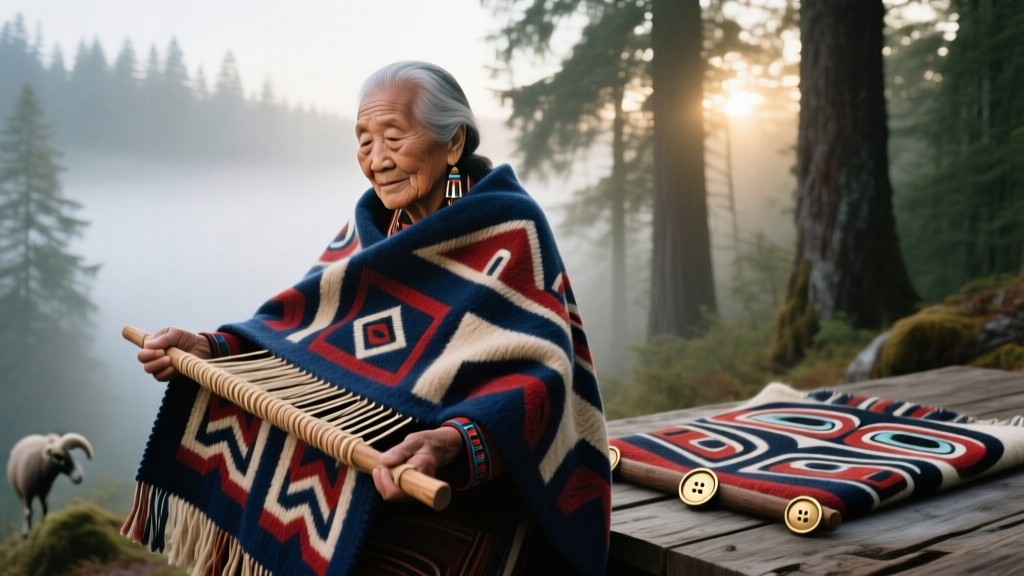
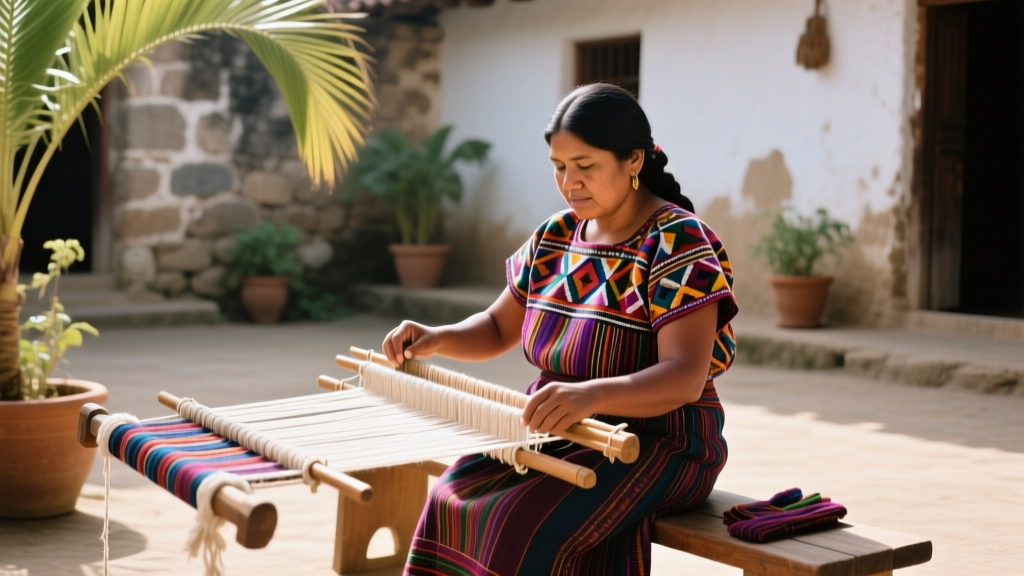
Quechua and Aymara communities continue weaving traditions using backstrap and four-stake looms. Natural dyes from cochineal, indigo, and native plants create the vibrant palette seen in markets across Peru, Bolivia, and Ecuador.
- Each community maintains distinctive pattern vocabulary
- Textiles serve as historical records and maps
- Cooperatives support women weavers economically