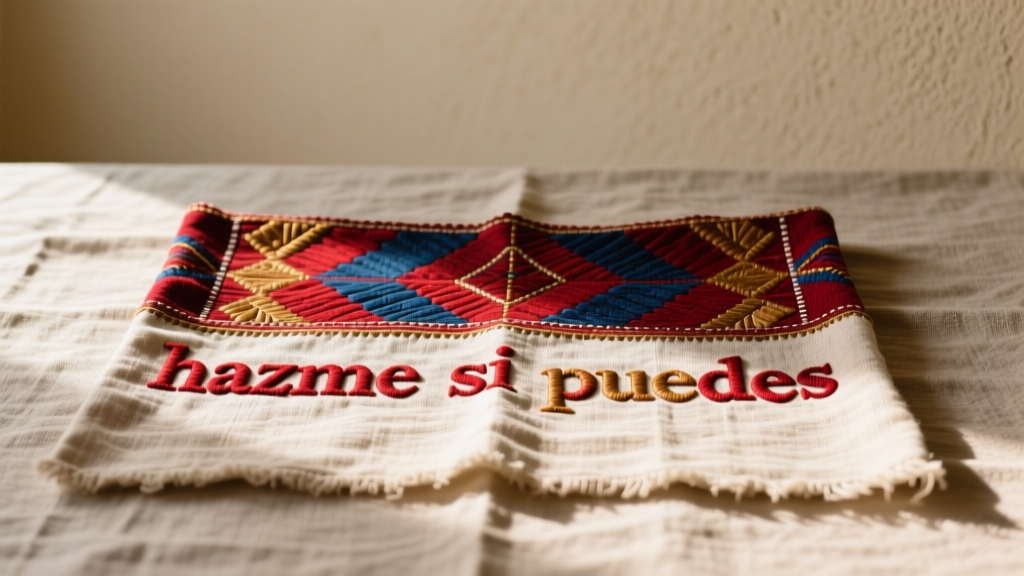
Andean Pallay: Quechua Textile Pattern Art

Pallay: The Woven Language of the Andes
Pallay refers to the complex supplementary warp patterns woven into textiles by Quechua and Aymara communities across the Peruvian and Bolivian Andes. These geometric designs encode cultural knowledge, community identity, and cosmological beliefs.
Pattern Categories
- Animals: Condors, llamas, snakes representing the three Andean realms
- Geometric: Diamonds (lozenge), zigzags, and stepped motifs
- Agricultural: Seed patterns, terracing designs, and irrigation symbols
- Celestial: Star configurations, the Southern Cross, solar symbols
Weaving Technique
Pallay patterns are created using a supplementary warp technique on backstrap looms. The weaver selects individual warp threads to create designs that appear on both sides of the fabric — a technically demanding process requiring years of practice.
Community Identity
Each Andean village has distinctive pallay patterns that function like a visual language. Experienced weavers can identify a textile's origin community from its patterns alone.
Preservation Challenges
Globalization and synthetic dyes threaten traditional pallay knowledge. Cooperatives like the Center for Traditional Textiles of Cusco work to document patterns and support weaving communities economically.