Nigerian Adire: Indigo Resist Dye Art

Adire Cloth
Adire is a Yoruba resist-dyed indigo cloth from southwestern Nigeria. The name means tie and dye in Yoruba. Abeokuta, the capital of Ogun State, remains the center of adire production.
Two Main Techniques
Adire oniko uses raffia to tie or stitch patterns before dyeing. Adire eleko uses cassava starch applied with chicken feathers or metal stencils to create resist patterns.
Indigo Dyeing
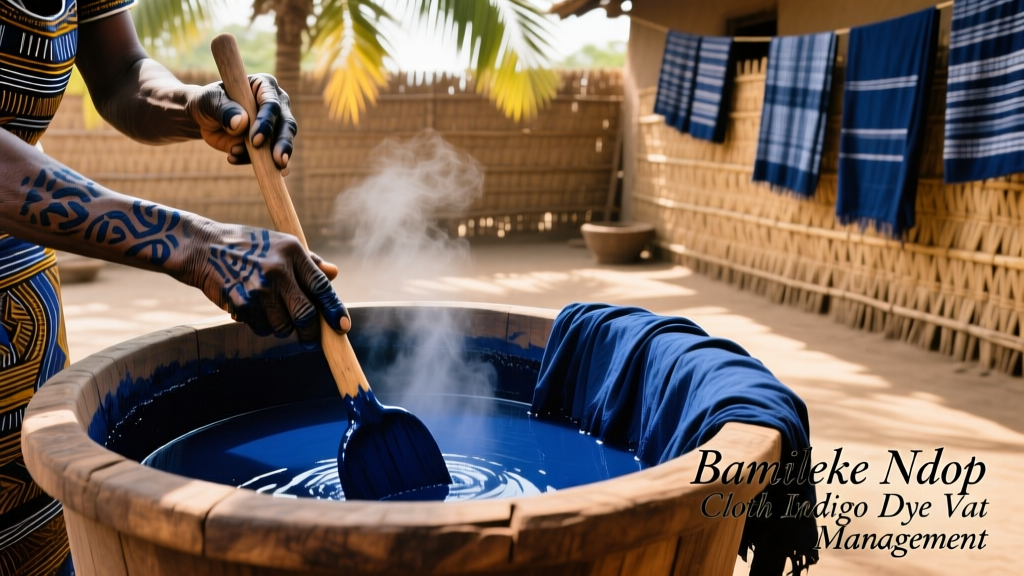
The dye comes from Lonchocarpus cyanescens leaves, fermented in large pots. Fabrics are dipped repeatedly up to 25 times for deep blue with airing between dips.
Pattern Meanings
Common patterns include Ibadanrun (a specific city design), Olokun (sea god imagery), and Jubilation (celebrating events). Each pattern tells a story or conveys a proverb.
Modern Adaptations
Contemporary designers use adire for fashion accessories, home decor, and haute couture, keeping the tradition alive in new contexts.