Malian Mudcloth: Bogolan Textile Art

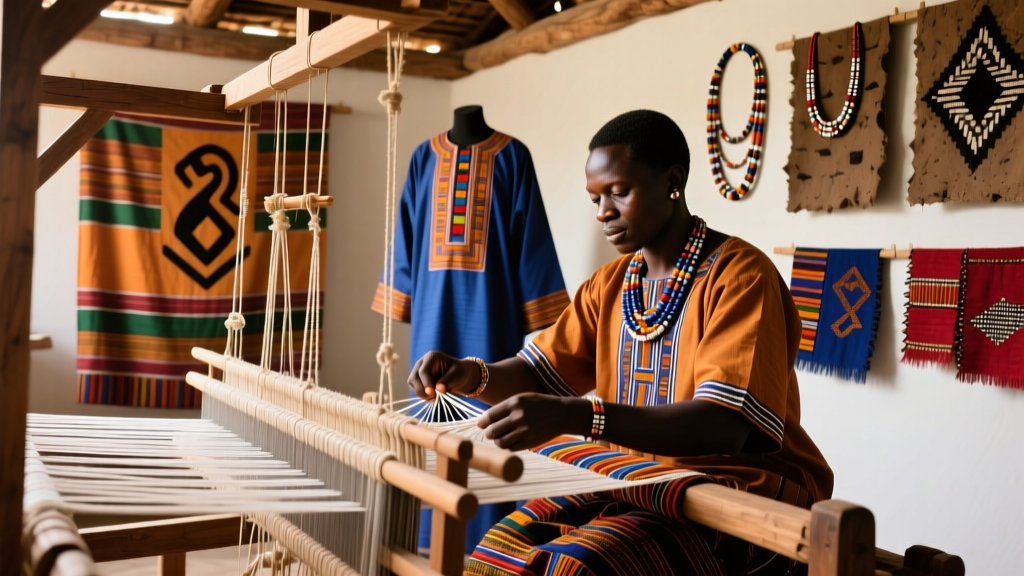
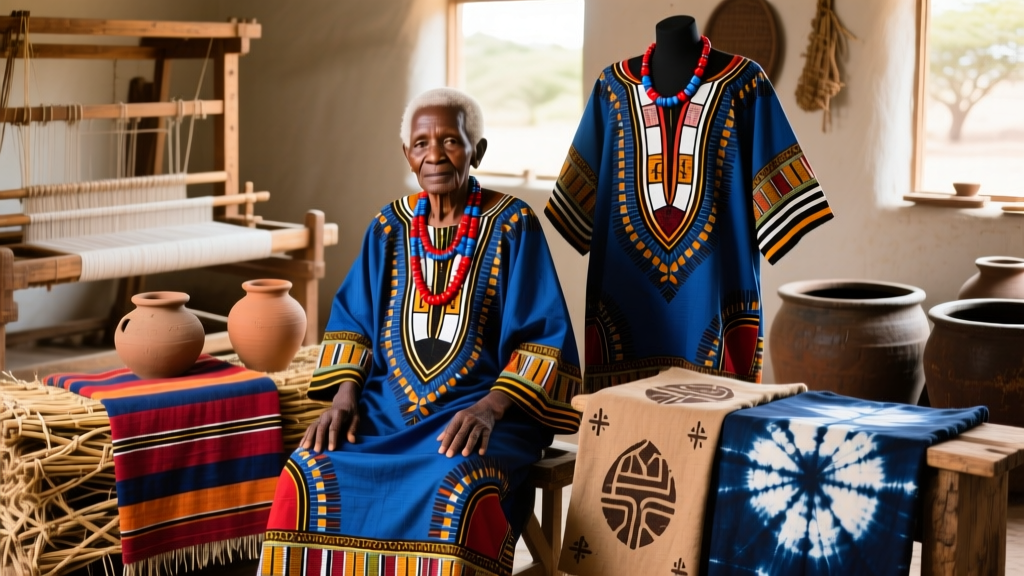
Bogolan, commonly known as mudcloth, is a handwoven and hand-dyed cotton fabric from Mali that has become one of Africa's most iconic textiles. The unique technique uses fermented mud as a dye, creating distinctive brown, black, and white patterns rich in cultural meaning.
The Dyeing Process
Artisans first dye cotton strips in a yellow bath made from n'gallama leaves. Patterns are then painted using fermented mud collected from riverbeds. The mud reacts with the leaf tannins to create permanent dark brown and black designs.
Symbolic Patterns
Traditional bogolan patterns communicate specific messages. Fish bones represent bravery. Concentric circles signify the world. Zigzag lines depict the path of the crocodile. These symbols were historically worn by hunters for protection.
Contemporary Use
Malians designer Chris Seydou brought bogolan to international fashion runways in the 1980s. Today, bogolan appears in haute couture, interior design, and contemporary art.