Malian Bogolan Mudcloth: Traditional Making Process

What Is Bogolan?
Bogolan, or mud cloth, is a handmade Malian cotton fabric dyed with fermented mud. This distinctive textile originates from the Bamana people of Mali and has become one of Africa's most recognized textile arts worldwide.
The Traditional Making Process
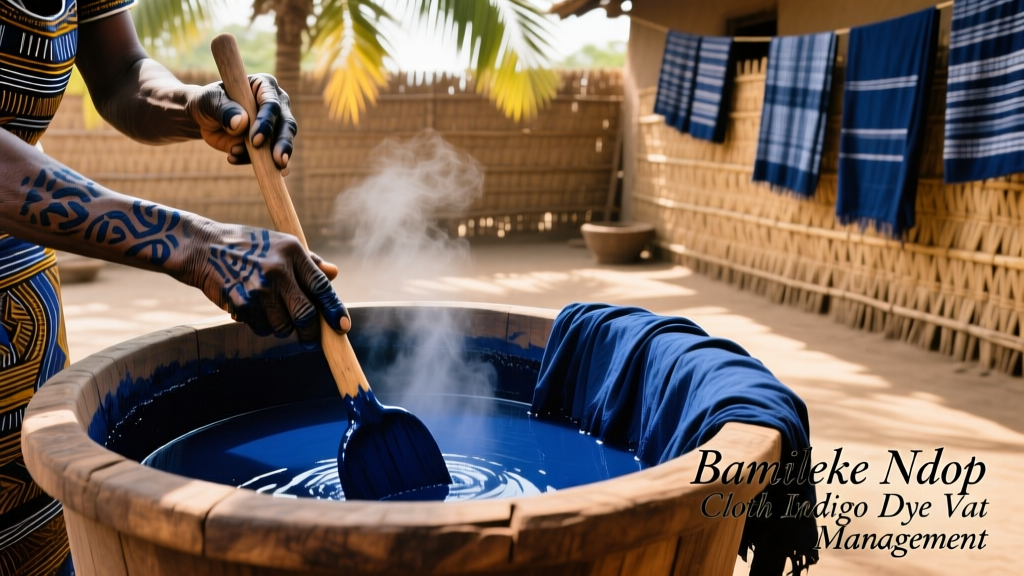
Creating authentic bogolan involves multiple stages spanning several weeks. Narrow strips of hand-woven cotton are first sewn together, then dyed with leaves rich in tannin. Fermented mud — collected from pond bottoms and aged for up to a year — is painted onto the cloth in geometric patterns.
Symbolic Patterns
- Fish bones: Represent courage and perseverance
- Crocodile teeth: Symbolize protection
- Drum patterns: Indicate celebration and community gatherings
- Concentric circles: Represent the world and cosmic harmony
Cultural Significance
In Bamana culture, bogolan serves protective functions. Hunters wear bogolan tunings for camouflage and spiritual protection. Pregnant women are wrapped in bogolan during childbirth. The cloth marks important life transitions from birth to death.
Contemporary Bogolan
Since the 1980s, bogolan has gained international recognition. Malian designer Chris Seydou brought it to global fashion runways. Today, cooperatives in Bamako and rural villages produce both traditional and modern interpretations for the global market.