Mali Bogolanfini Mud Cloth Artistry
Bambara Mud Cloth Tradition
Bogolanfini, the Bambara mud cloth of Mali, uses fermented mud as its primary dye to create bold geometric patterns on cotton fabric. This distinctive textile has gained international recognition while maintaining deep cultural roots.
Preparation Process
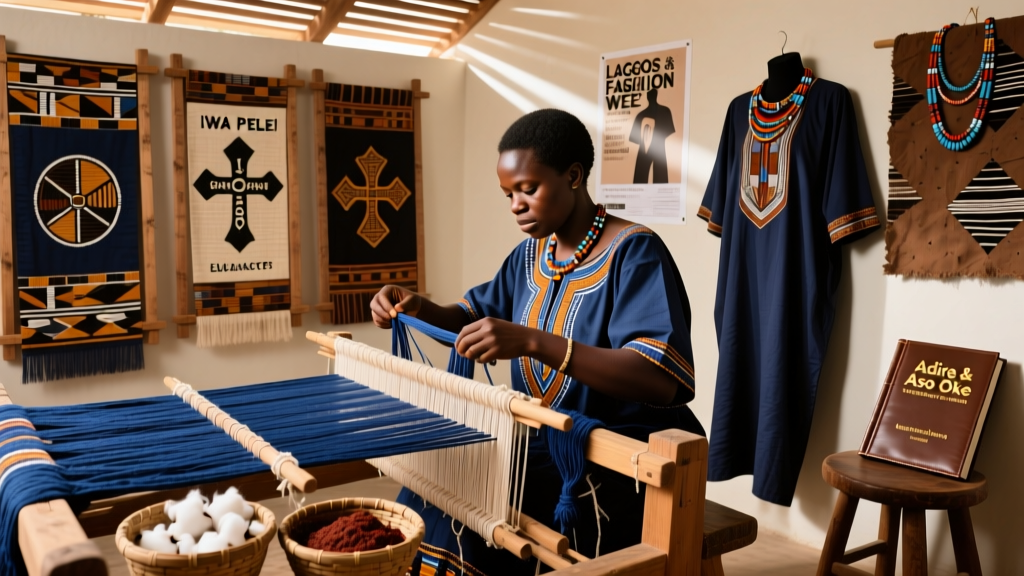
Women spin cotton and men weave narrow strips on double-heddle looms. These strips are sewn together into larger cloths. The cloth is first dyed yellow using leaves of the n-gallama tree, creating a base for the mud application.
Mud Application
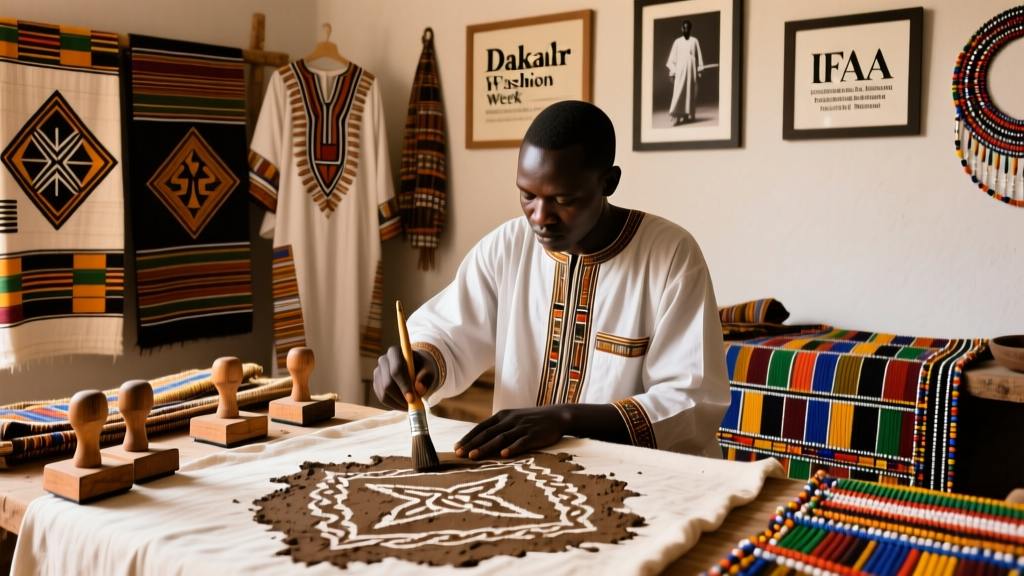
Artists collect iron-rich mud from riverbeds and ferment it for months. Using bamboo sticks and metal tools, they paint designs onto the yellow-dyed cloth. The chemical reaction between the mud and the leaf dye creates permanent dark patterns.
Symbolic Meanings
Each pattern carries specific meanings: fish bones represent courage, concentric circles symbolize family unity, and zigzag lines depict the path of life.