Mali Bogolan: The Mud Cloth Process
Daniel Osei·Published

What Is Bogolan?
Bogolanfini—commonly known as mud cloth—is a hand-painted textile tradition from Mali, West Africa. The name derives from the Bambara words bogo (earth/mud) and lan (with), referring to the iron-rich mud used as a dye.
Step-by-Step Production
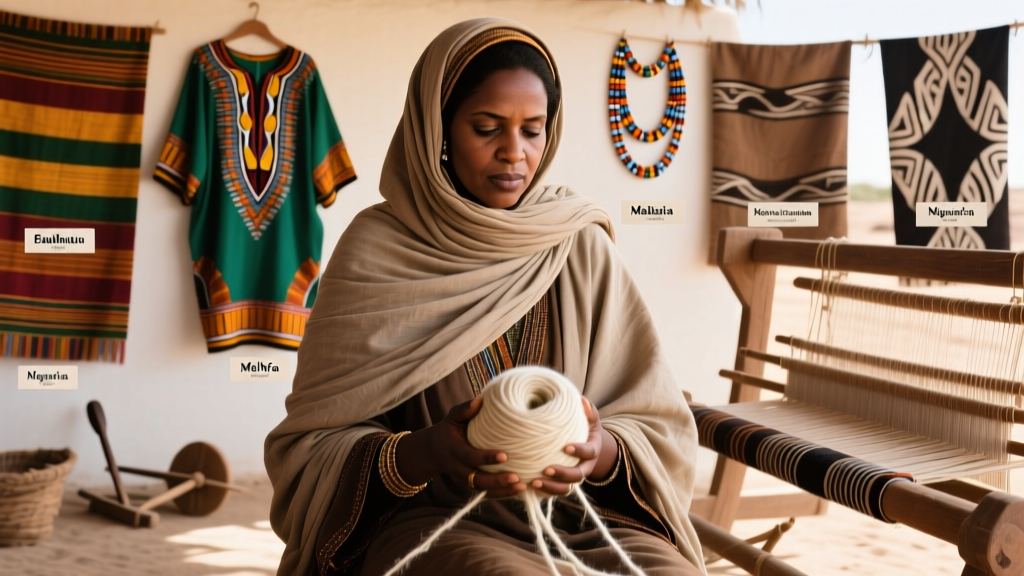
- Weaving: Narrow-strip cotton is hand-woven by men on double-heddle looms
- Pre-treatment: Strips are soaked in a yellow dye from n'gallama leaves
- Mud application: Women paint patterns using fermented mud collected from riverbeds
- Oxidation: The mud reacts with tannins from the leaf dye, creating permanent black patterns
- Bleaching: Unpainted areas are bleached to white using caustic solutions
Symbolic Patterns
Traditional bogolan patterns encode cultural knowledge:
- Fish bones — bravery and warrior spirit
- Crocodile tracks — adaptability
- Concentric circles — the world and its interconnectedness
- Zigzag lines — the path of the ancestor
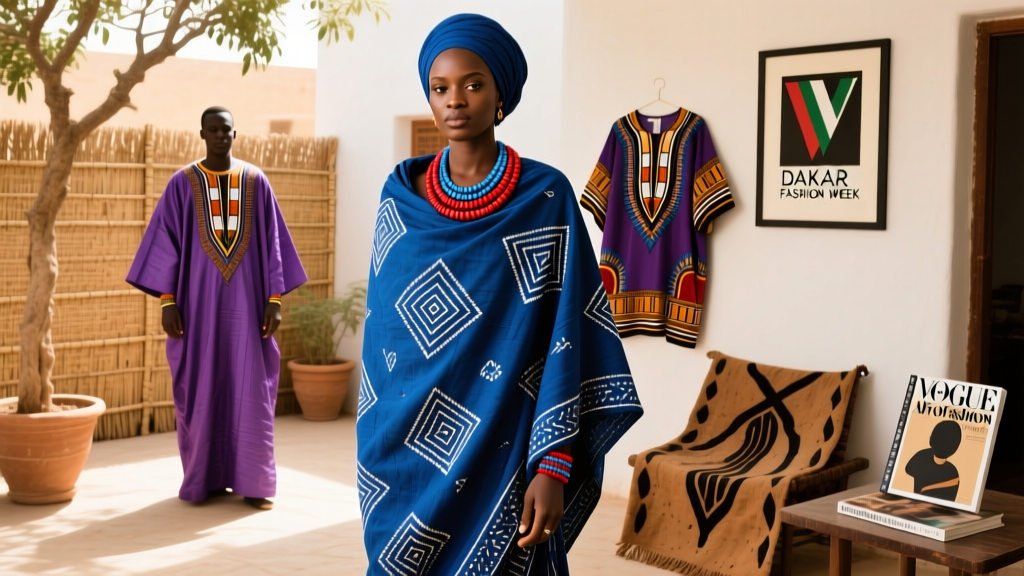
From Village to Runway
Since the 1980s, bogolan has moved from rural Mali to international fashion. Malian designer Chris Seydou popularized mud cloth in haute couture, and today cooperatives in Bamako produce bogolan for global textile markets.