Kente Cloth: Ghana's Royal Weaving Art

Kente: The Cloth of Kings
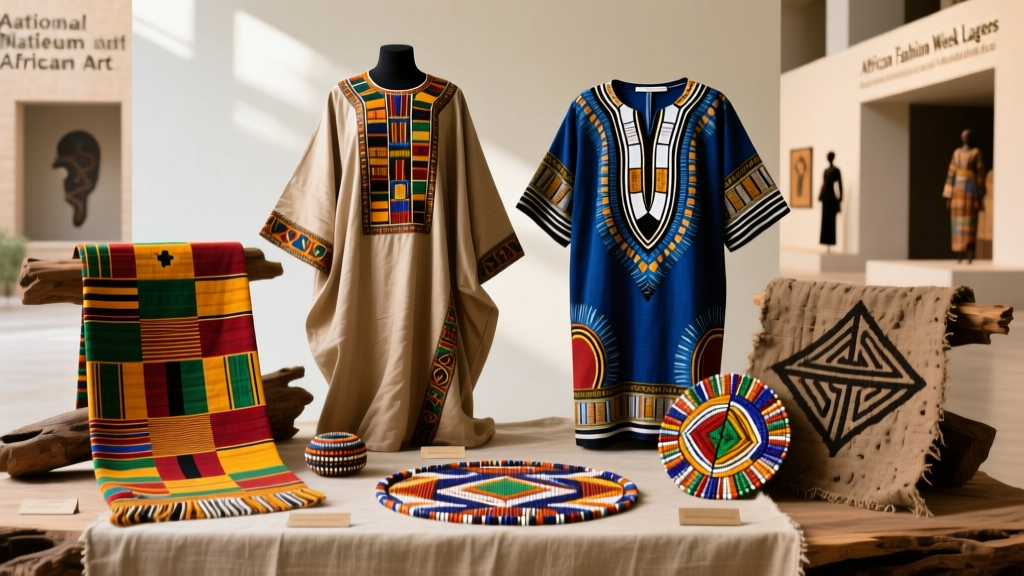
Kente is perhaps Africa's most recognizable textile — vibrant strips of silk and cotton woven in narrow bands and sewn together into large, dramatic cloths. Originating with the Ashanti and Ewe peoples of Ghana, kente carries deep cultural meaning.
Origins and Royal Patronage
According to Ashanti oral tradition, kente weaving was learned from a spider observing its web. Historically, kente was reserved for Ashanti royalty and nobility. The Asantehene (king) controlled kente production, with specific patterns restricted to royal use.
Weaving Technique
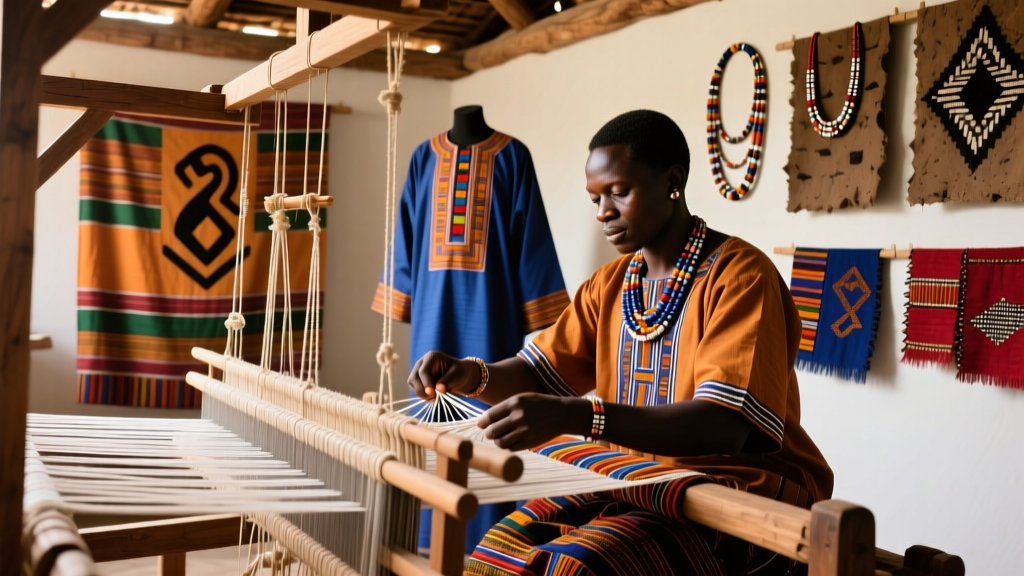
Kente is woven on narrow horizontal looms, producing strips 4-6 inches wide. Weavers — traditionally men — create complex patterns using supplementary weft techniques. Individual strips are then carefully aligned and sewn together, creating larger compositions.
Pattern Symbolism
Each kente pattern has a name and meaning. Sika futuro ("gold dust") represents wealth and royalty. Fathia fata Nkrumah celebrates Ghana's first president's marriage. Adweneasa ("my skill is exhausted") acknowledges the weaver's mastery.
Global Recognition
Kente has become a pan-African symbol, worn at graduations, Kwanzaa celebrations, and cultural events worldwide. Ghana protects kente's intellectual property through the 2003 Copyright Act, requiring licensing for commercial reproduction.