Ghanaian Kente: Weaving Meanings Explained

Kente: More Than Beautiful Cloth
Kente is Ghana's most famous textile — a strip-woven fabric of dazzling colors and complex patterns that originated among the Ashanti (Asante) people. But kente is far more than decorative: every color, pattern, and arrangement carries specific proverbs, historical references, and social messages that literate readers can decode.
The Weaving Process
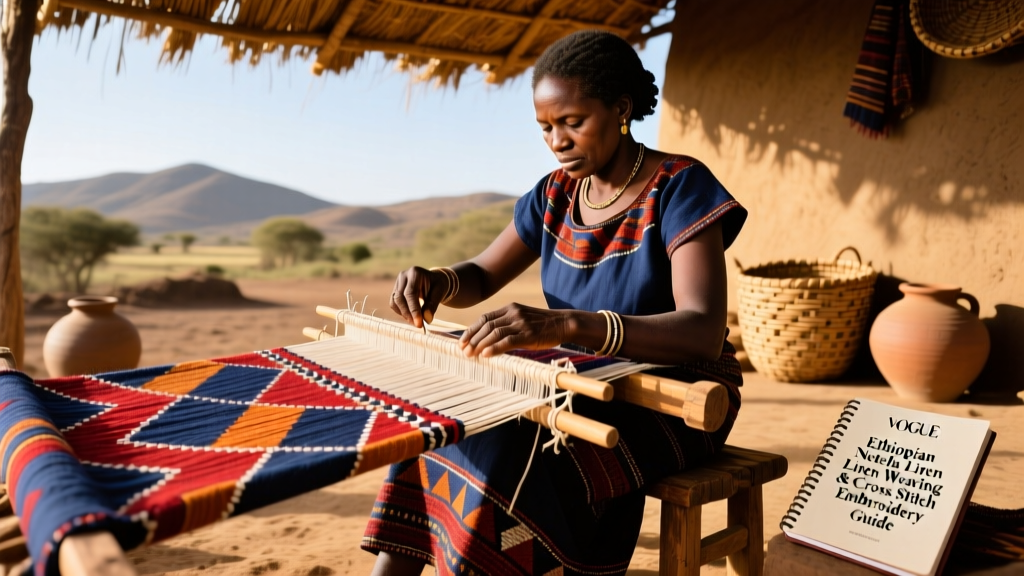
- Strip weaving: Kente is woven in narrow strips (about 10 cm wide) on a horizontal treadle loom operated by men.
- Assembly: Multiple strips are sewn together edge-to-edge to create larger cloth, typically 3–4 meters long.
- Thread sources: Historically, silk was obtained by unraveling imported Asian textiles. Today, rayon and cotton threads dyed with synthetic colors are common.
Color Symbolism
- Gold/Yellow: Royalty, wealth, spiritual purity
- Green: Vegetation, growth, renewal, harvest
- Blue: Peace, harmony, love
- Red: Blood, sacrifice, political passion
- Black: Maturation, ancestral energy, spiritual awareness
- White: Purification, sanctity, festivity
Famous Patterns and Their Meanings
"Sika Fre Mogya" (Money Attracts Blood) — Gold and red zigzag pattern celebrating family financial support.
"Obaakofo Mmu Man" (One Person Does Not Rule a Nation) — Democratic principle woven in balanced geometric forms.
"Emaa Da" (Something New) — Innovative pattern celebrating creativity and fresh beginnings.
Who Can Wear Kente?
Historically, kente was reserved for Ashanti royalty and nobility. Today, any Ghanaian may wear kente for special occasions — weddings, graduations, funerals, and festivals. The specific pattern chosen communicates the wearer's message: a graduate might select "Emaa Da" for new beginnings, while a chief wears "Sika Fre Mogya" to signal prosperity and generosity.