Ghanaian Kente: Ashanti Royal Cloth
Cloth of Kings and Commoners
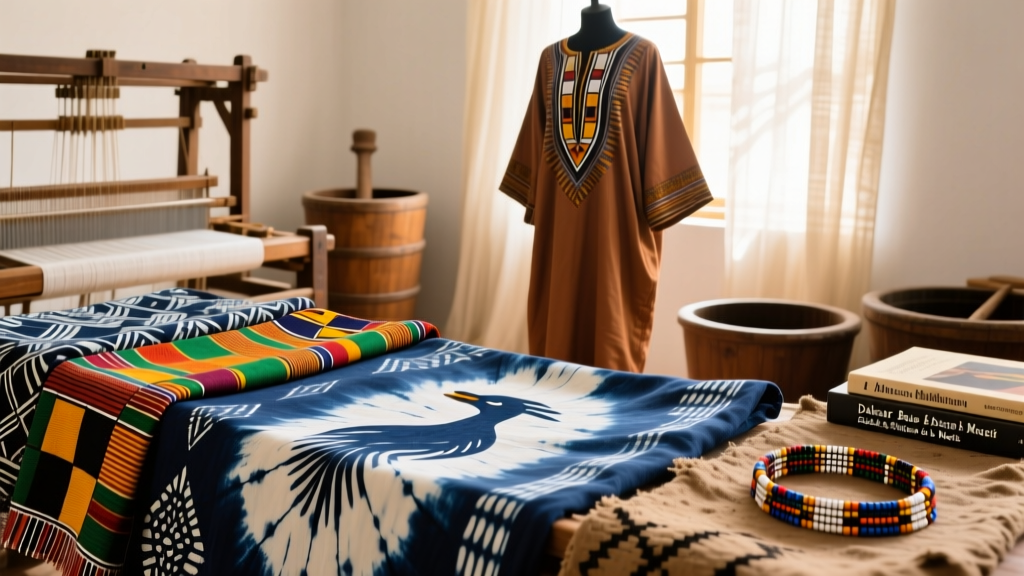
Kente is the strip-woven textile most closely associated with the Ashanti kingdom of Ghana. Woven on narrow horizontal looms by men, kente strips measure roughly 10 centimeters wide and are sewn together edge-to-edge to form large wrappers. Historically reserved for Ashanti royalty, kente has gradually become accessible to all Ghanaians for important occasions, though specific named patterns still carry royal associations. The cloth's visual impact comes from the interplay of bold color stripes and complex weft-faced pattern blocks that interrupt the warp-stripes at regular intervals.
Named Patterns and Proverbs
Each kente pattern has a specific name and associated proverb or historical reference. Oyokoman references the Oyoko clan and conveys unity. Sika Futuro (gold dust) symbolizes wealth and royalty. Adweneasa means 'my skill is exhausted' and represents the master weaver's ultimate achievement. Fathia Fata Nkrumah commemorates Ghana's first president's marriage. Master weavers can identify hundreds of patterns and recite the proverbs associated with each. This oral tradition transforms kente from mere textile into a communicative medium encoding Ashanti philosophy and history.
- Adweneasa: master achievement pattern
- Oyokoman: unity and clan identity
- Sika Futuro: gold dust, wealth and royalty
- Emaa Da: novelty, "it has not happened before"
Color Meanings
Gold represents royalty and spiritual purity. Green signifies growth and harvest. Red connotes blood and political passion. Blue represents peace and harmony. Black suggests spiritual maturity and ancestral power. White symbolizes purity and festive occasions. The combination of these colors within a single cloth creates layered messages that knowledgeable observers can read. A predominantly gold cloth communicates wealth and celebration, while a cloth heavy with black suggests spiritual reflection or ancestral commemoration.
Kente in the Modern World
Kente has transcended its Ashanti origins to become a Pan-African symbol. Graduation stoles, academic regalia, and cultural celebrations worldwide feature kente patterns. The debate between hand-woven authenticity and printed accessibility continues, but the cloth's cultural power remains undiminished. Ghanaian kente weavers in Bonwire and Adanwomase continue traditional production, while designers in Accra incorporate kente into contemporary fashion collections that reach global audiences.