Ethiopian Habesha Kemis: White Cotton

Elegance in White Cotton
The habesha kemis is the traditional dress of Ethiopian and Eritrean women — a floor-length garment of handwoven white cotton (shemma) adorned with colorful embroidered borders called tibeb. Worn for religious services, holidays, weddings, and cultural events, the habesha kemis represents both everyday elegance and deep cultural identity.
Handwoven Cotton Tradition
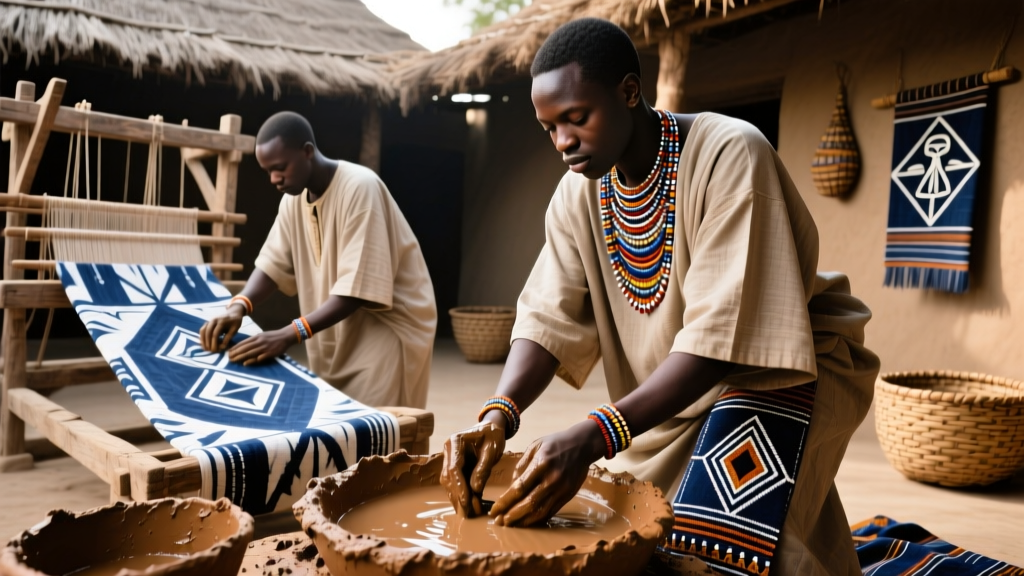
Ethiopian cotton is hand-spun and hand-woven on pit looms, producing a fabric with distinctive texture and weight. The weaving is done by men from the Dorze and other weaving communities in southern Ethiopia. A single kemis requires approximately 8-10 meters of cloth, woven in narrow strips and seamed together.
Tibeb: The Decorative Border
The tibeb — the colorful embroidered or woven border along the neckline, hem, and sometimes sleeves — is where artistic expression concentrates. Traditional tibeb features geometric crosses, interlocking patterns, and color combinations that can indicate regional origin, religious affiliation, or social occasion. Modern tibeb incorporates sequins, metallic thread, and contemporary motifs.
The Netela Shawl
The habesha kemis is typically paired with a netela — a large white cotton shawl with matching tibeb borders. The netela can be draped in various ways: loosely over both shoulders for everyday wear, covering the head for church, or wrapped tightly for formal occasions. The way a woman drapes her netela communicates social context.
Modern Fashion
Ethiopian designers have brought the habesha kemis into contemporary fashion, experimenting with shorter hemlines, fitted silhouettes, and non-traditional colors while maintaining the essential white-cotton-plus-tibeb structure. Diaspora communities in Washington DC, London, and elsewhere sustain demand, creating a global market for Ethiopian textile artisans.