Ethiopian Habesha Kemis: The White Dress of the Highlands

A Dress Woven from Faith and Tradition
The Habesha kemis (also written habesha qemis) is the traditional dress of Ethiopian and Eritrean women. This elegant, ankle-length garment is made from handwoven white cotton and decorated with intricate embroidered or woven borders called tibeb. Worn for church services, holidays, weddings, and other significant occasions, the Habesha kemis is one of the most recognizable and enduring garments in East Africa.
The Shemma: Handwoven Cotton Foundation
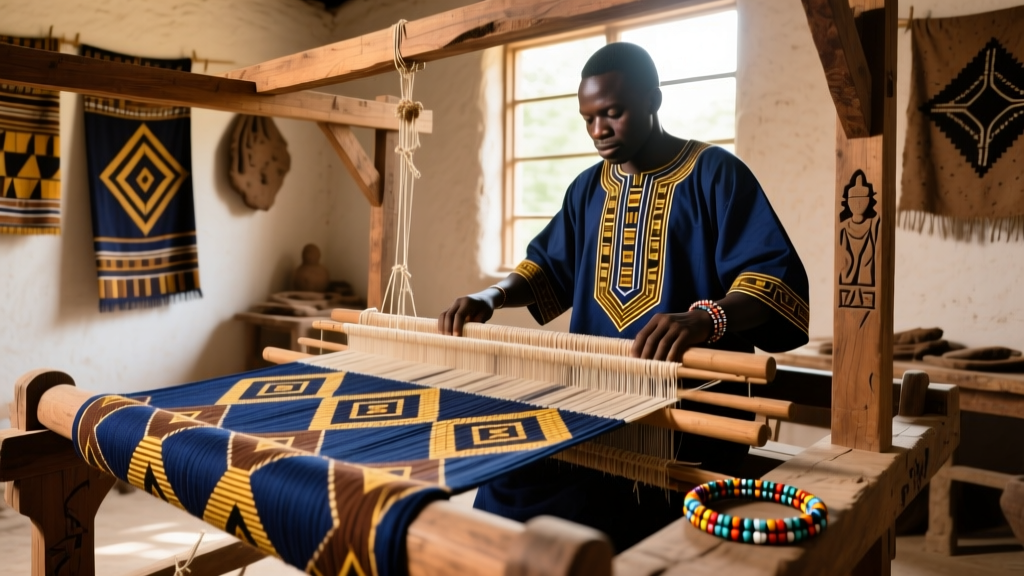
The fabric of the Habesha kemis is called shemma, a handwoven cotton textile produced on narrow pit looms by male weavers known as shemane. Ethiopian handloom weaving has ancient roots, with cotton cultivation and textile production in the Ethiopian highlands dating back at least two millennia.
The shemma is woven in narrow strips approximately 60 to 80 centimeters wide. These strips are then sewn together edge-to-edge with near-invisible seams to create the full width of the dress. The cotton is traditionally hand-spun, though machine-spun thread has become increasingly common.
Regional Variations in Weaving
Different regions produce shemma with distinct characteristics:
- Shewa (central highlands): Known for fine, tightly woven shemma with a smooth finish.
- Tigray (northern highlands): Produces slightly heavier cotton, often with a more visible weave texture.
- Wollo and Gondar: Weavers in these regions are known for particularly elaborate tibeb patterns with gold and silver metallic threads.
The Tibeb: Borders of Beauty and Meaning
The tibeb is the decorative border that adorns the neckline, sleeves, hem, and sometimes the front panel of the Habesha kemis. It is what transforms plain white shemma into a work of art and cultural expression.
Techniques of Tibeb
There are two primary methods of creating tibeb:
- Woven tibeb: The decorative pattern is woven directly into the fabric on the loom. The weaver introduces colored supplementary weft threads to create geometric or cross-shaped motifs. This is the older and more traditional method.
- Embroidered tibeb: The pattern is stitched onto the finished cloth by hand or machine. This method allows for more complex designs and has become increasingly popular.
Colors and Motifs
Traditional tibeb patterns draw heavily from Ethiopian Orthodox Christian iconography and the natural environment of the highlands:
- Crosses: The Ethiopian Orthodox cross, in its many regional variations (Lalibela, Axum, Gondar), is the most common motif.
- Geometric patterns: Diamonds, zigzags, and interlocking shapes that echo patterns found in Ethiopian church manuscripts and architecture.
- Floral and vine motifs: Representing fertility and divine grace, often inspired by church ceiling paintings.
Color symbolism is significant. Green represents the Ethiopian landscape and fertility. Red symbolizes faith and sacrifice. Gold indicates wealth and divine light. Blue reflects the sky and spiritual purity.
The Complete Ensemble
The Habesha kemis is rarely worn alone. It is part of a coordinated ensemble that includes:
- Netela: A large white cotton shawl with a matching tibeb border, draped over the shoulders and head.
- Alasho or Gabi: Heavier, blanket-like wraps worn in cold weather.
- Jewelry: Gold or silver filigree jewelry, particularly the ambasha (a broad, circular necklace) and heavy earrings.
Ceremonial and Religious Significance
The Habesha kemis holds deep significance in Ethiopian Orthodox Christian practice. Women wear white kemis to church services, particularly during major holidays such as:
- Timkat (Epiphany): Celebrated on January 19, this festival commemorates the baptism of Jesus Christ and features massive processions where congregations dress in their finest white garments.
- Meskel (Finding of the True Cross): Celebrated on September 27, with bonfires and processions.
- Fasika (Ethiopian Easter): Following a 55-day fast, women emerge in new or freshly laundered kemis to celebrate the resurrection.
Modern Adaptations
Contemporary Ethiopian and Eritrean designers have reimagined the Habesha kemis for modern life. Shorter hemlines, fitted silhouettes, and new tibeb designs incorporating contemporary motifs have made the dress suitable for office wear, parties, and international occasions. Diaspora communities in Washington, D.C., London, Stockholm, and other cities maintain strong demand for authentic handwoven kemis, supporting weavers and embroiderers back in Ethiopia and Eritrea.
Despite these modernizations, the fundamental form of the Habesha kemis—white handwoven cotton adorned with symbolic borders—remains remarkably consistent with its historical antecedents, a testament to the enduring power of this highland dress tradition.